


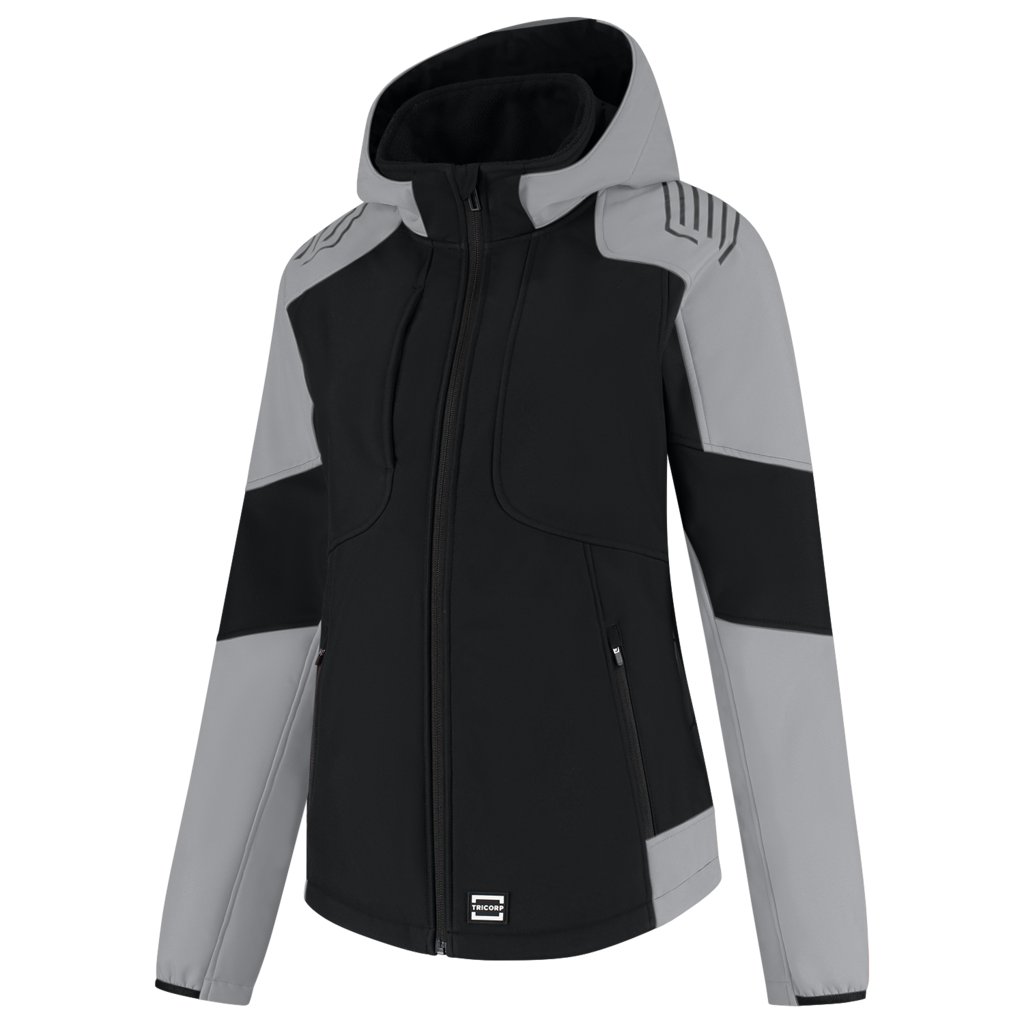
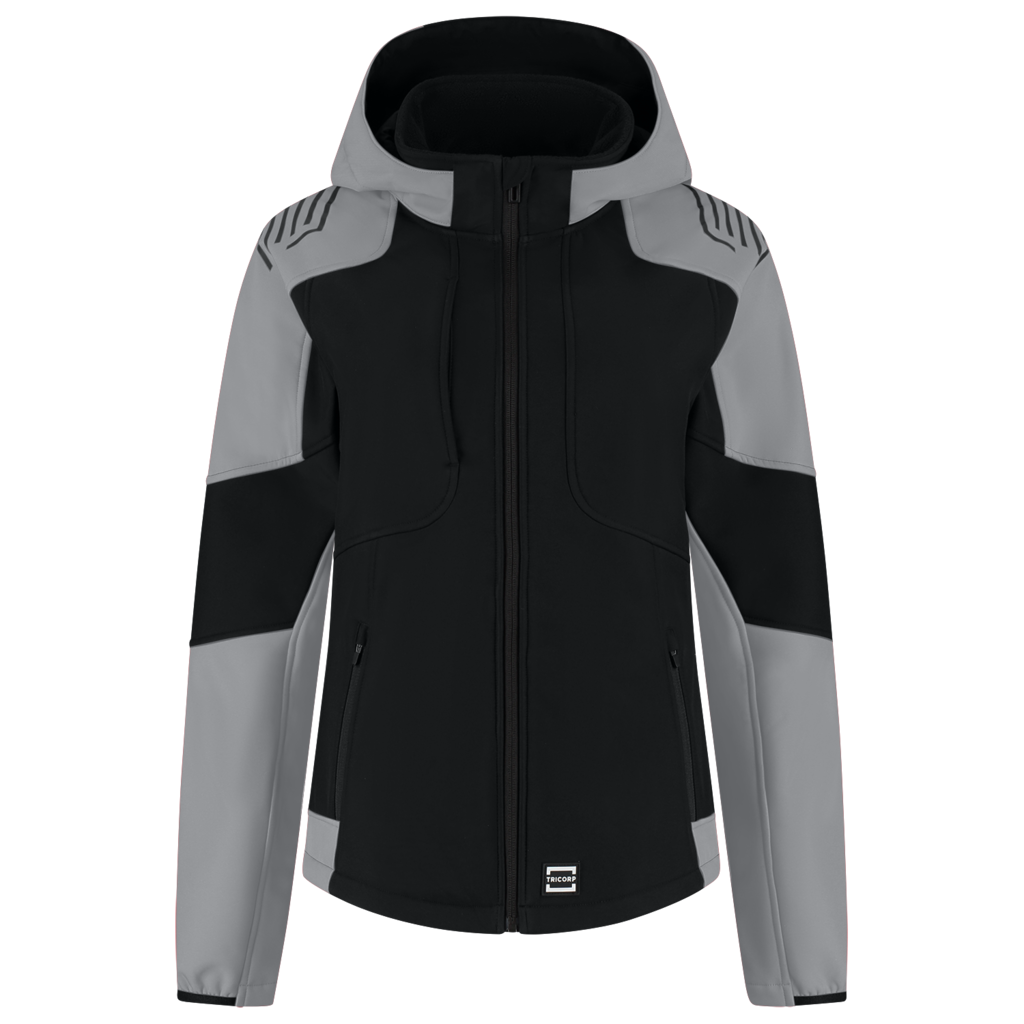
EN ISO 11612: Protection during welding and related activities

Safety clothing with the EN ISO 11612 standard protects employees (except welders and firefighters) who are exposed to heat, flames and molten metals. The work clothing protects against flames as well as convective and radiant heat for short periods of time.
Why EN ISO 11612?
EN ISO 11612 is a standard that uses various tests to determine the extent to which clothing can tolerate industrial heat. Tests are carried out on the cloth and clothing. The results of these tests are represented by the letters A, B, C, D, E and F in combination with a number indicating the degree of protection. In addition to the tests, the clothing must also meet specific design requirements such as flaps on all pockets with the letters D and/or E, properly constructed seams and sufficient overlap of a jacket compared to trousers.
If the clothing has been tested and meets all specific design requirements, it receives a classification. This consists of one or more letters in combination with the corresponding protection level, expressed as a number. If a certain type of protection is not achieved, this will be indicated with a number 0 or the omission of the letter.
The following types of protection, their letter codes and possible numerical codes are possible in EN ISO 11612:
11612-A Flame spread
During this test, the fabric and seams are flamed for 10 seconds. In the result, the afterflame time, afterglow time and hole formation must remain within the values of the set standard. The test can be performed in two different ways:
- Procedure A (provides A1): Horizontal surface ignition.
- Procedure B (provides A2): edge ignition.
11612-B Convective Heat
In this test, the substance is held above the flame and the increase in temperature is measured at the top using a calorimeter. For example, thermal conductivity when exposed to flames is tested. During the test, the time required to reach a temperature increase of 24 °C is measured. Depending on this, the class is determined:
- B1: from 4 to 10 seconds
- B2: from 10 to 20 seconds
- B3: 20 seconds and more
11612-C Radiant heat
In this test, the fabric is exposed to radiant heat using infrared. The temperature increase is measured on the other side of the cloth via a calorimeter. The time (s) required to reach a temperature increase of 24 °C is measured. Depending on this, the class is determined:
- C1: from 7 to 20 seconds
- C2: from 20 to 50 seconds
- C3: from 50 to 95 seconds
- C4: 95 seconds and more
11612D/E Molten metal
This test measures protection against splashes of molten metal. A membrane (which mimics human skin) is applied to the back of the fabric. A certain amount of molten aluminum (Code D) and molten iron (Code E) is then applied: the membrane on the back of the fabric must not deform.
With molten aluminum:
- D1: between 100 and 200 grams
- D2: between 200 and 350 grams
- D3: 350 grams and more
With molten iron:
- E1: between 60 and 120 grams
- E2: between 120 and 200 grams
- E3: 200 grams and more
1162-F Contact Heat
This test measures the protection against possible contact through the clothing with a warm object. During the test, the fabric is brought into contact with a test object at a temperature of 250 °C and the time during which the heat transfers to the back of the fabric is measured. The time determines the class achieved as follows:
- F1: between 5.0 and 10.0 minutes
- F2: between 10.0 and 15.0 minutes
- F3: 15.0 minutes and more
Use and maintenance
The EN ISO 11612 standard is the basis for working safely. Tricorp recommends that the user read the use and maintenance instructions before first use. If you have any doubts about the protective clothing to use or if you have questions about its correct use, it is wise to consult a safety expert and/or manager.
Multinorm collection classification
The table below provides an overview of the classification of our Multinorm clothing.
|
Tricorp Multinorm Collection |
Classified |
|
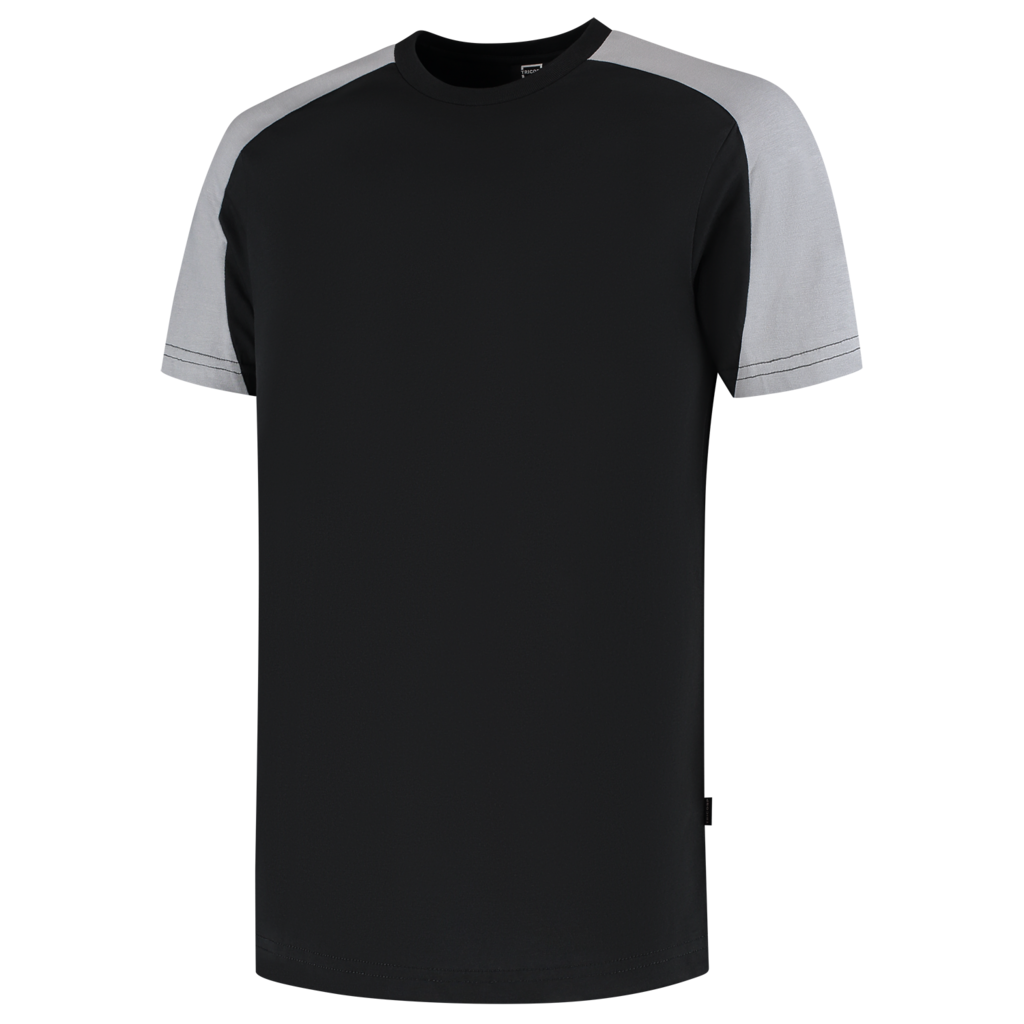
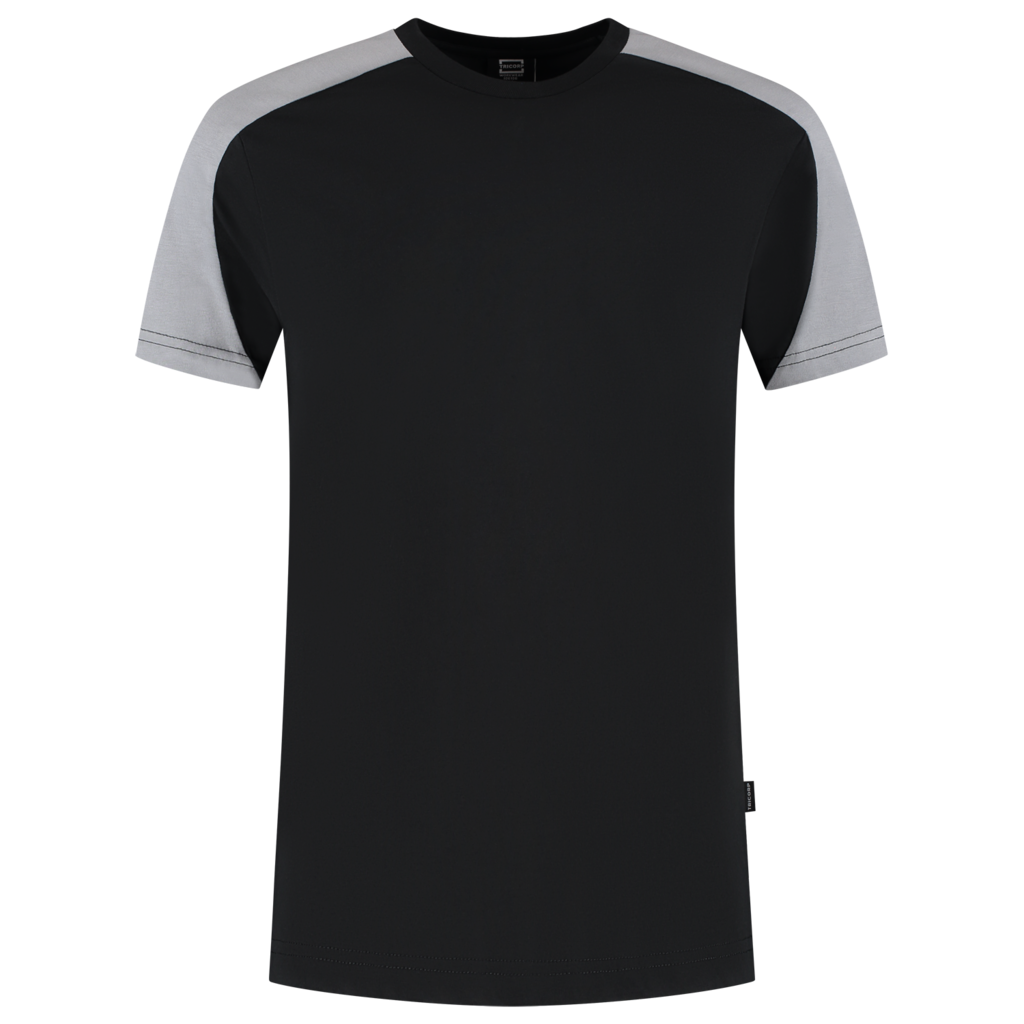
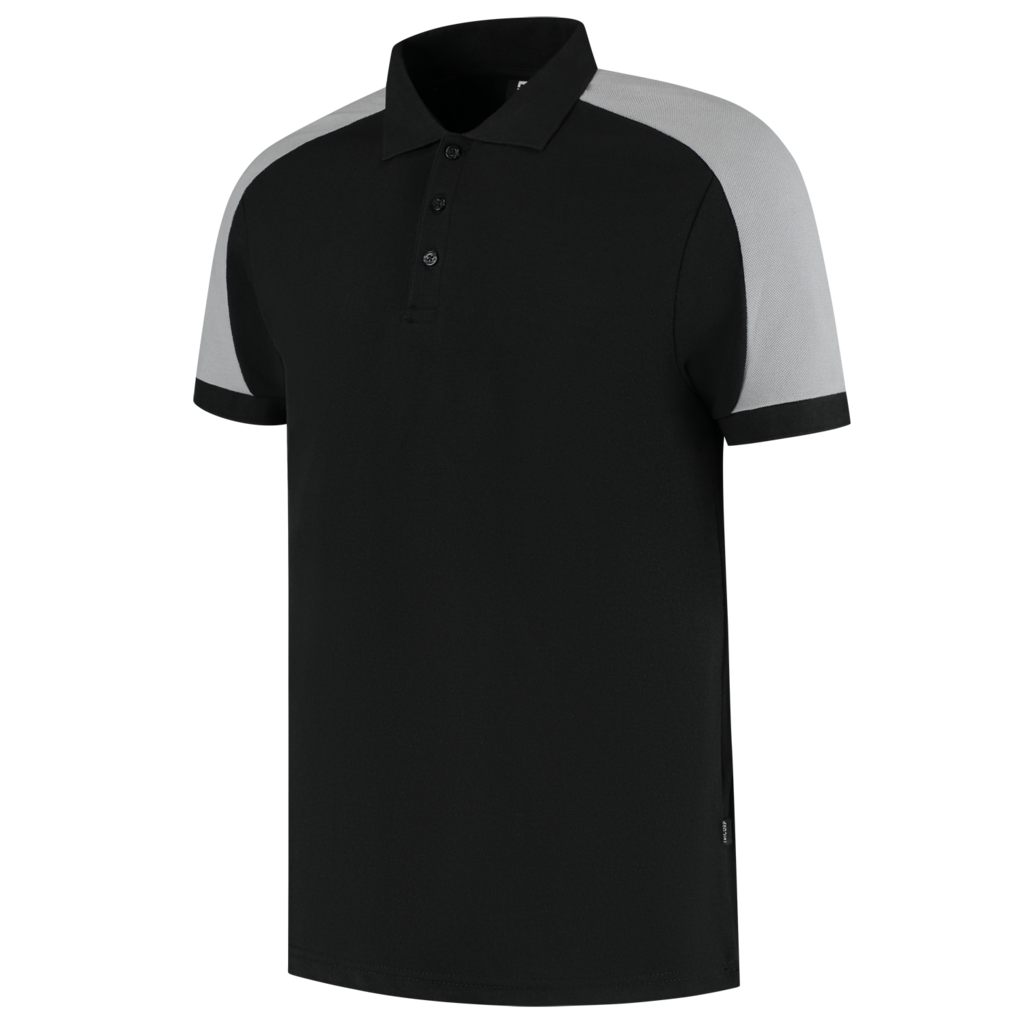
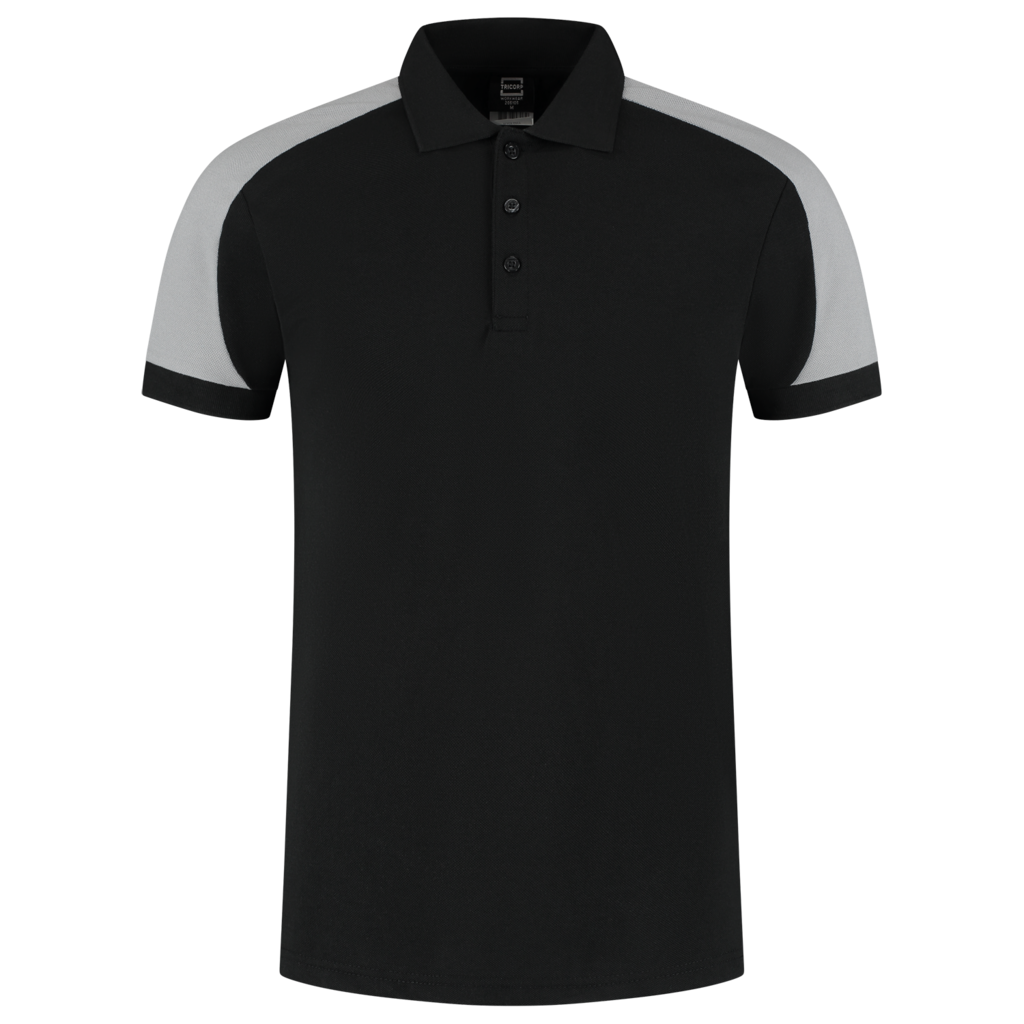
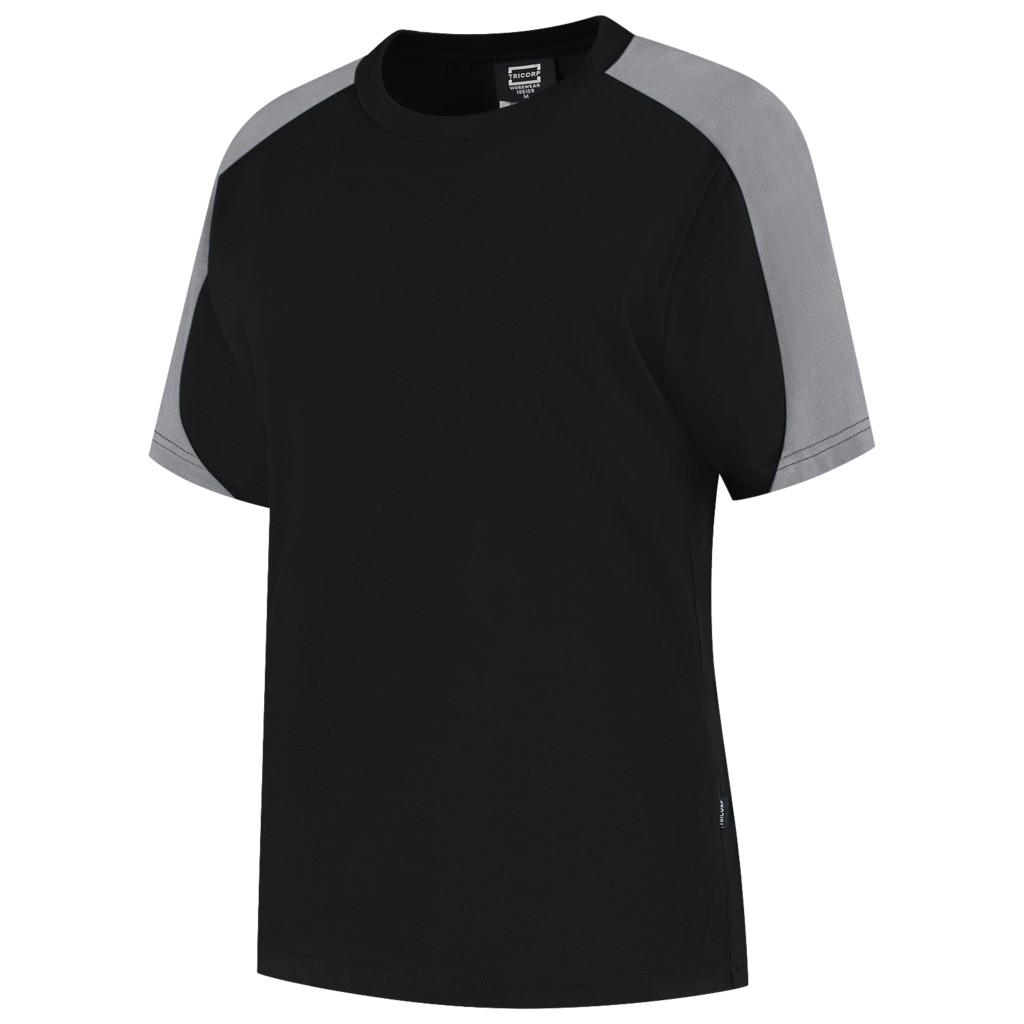
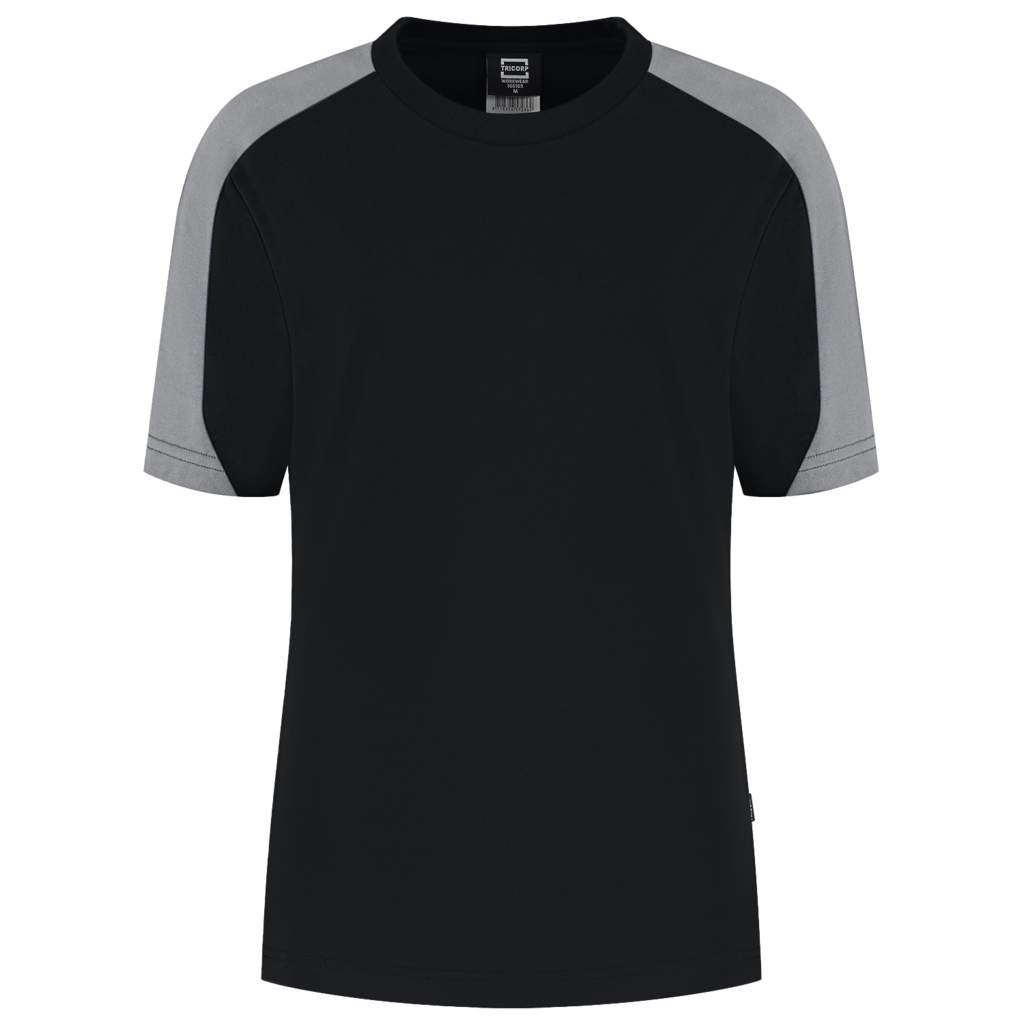
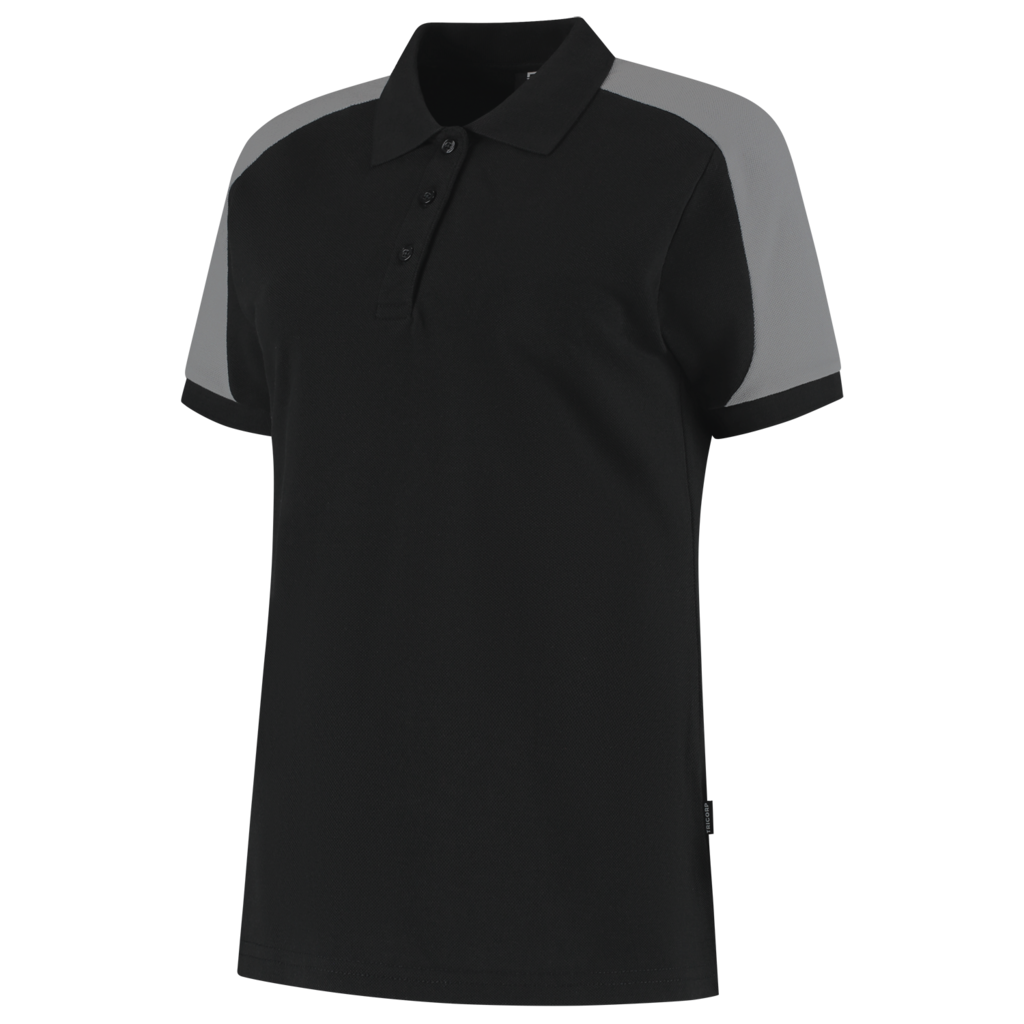
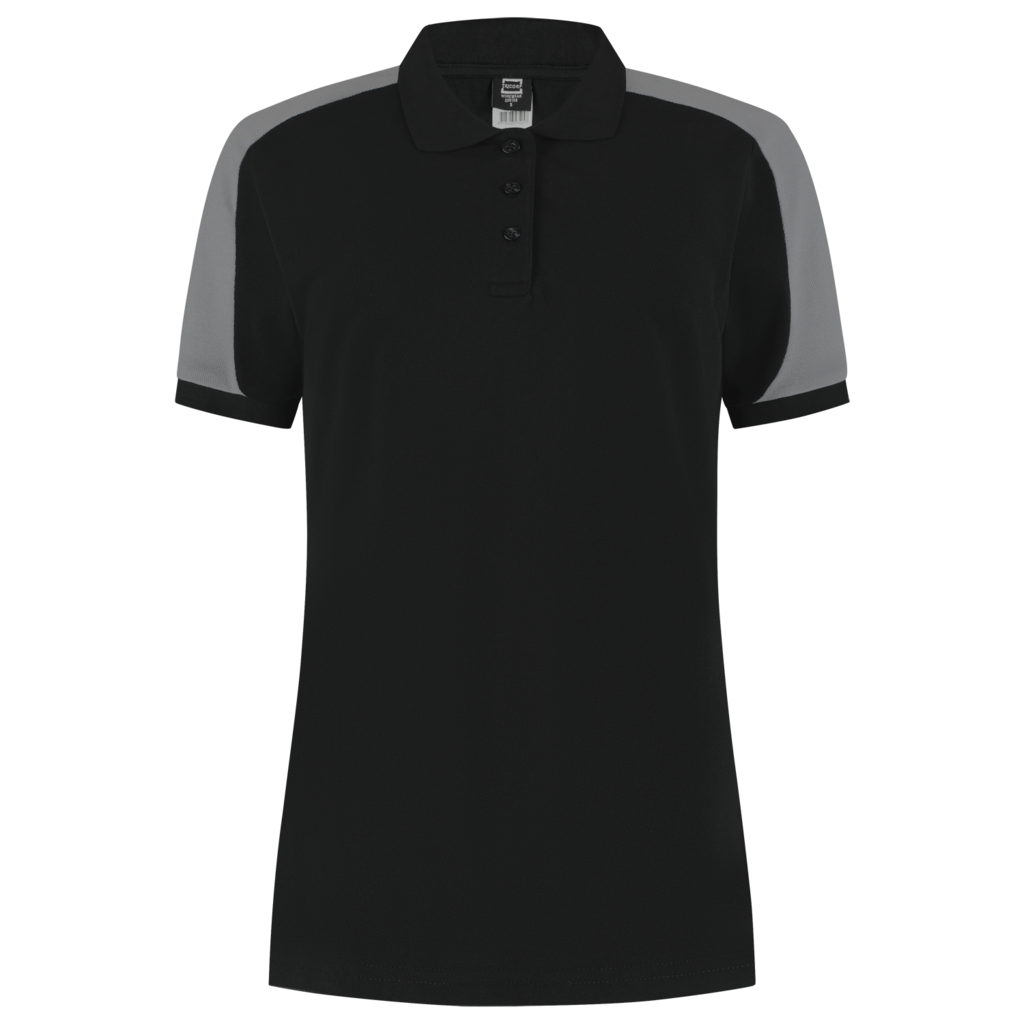
T-shirts and polos |
A1, B1 and C1 |
|
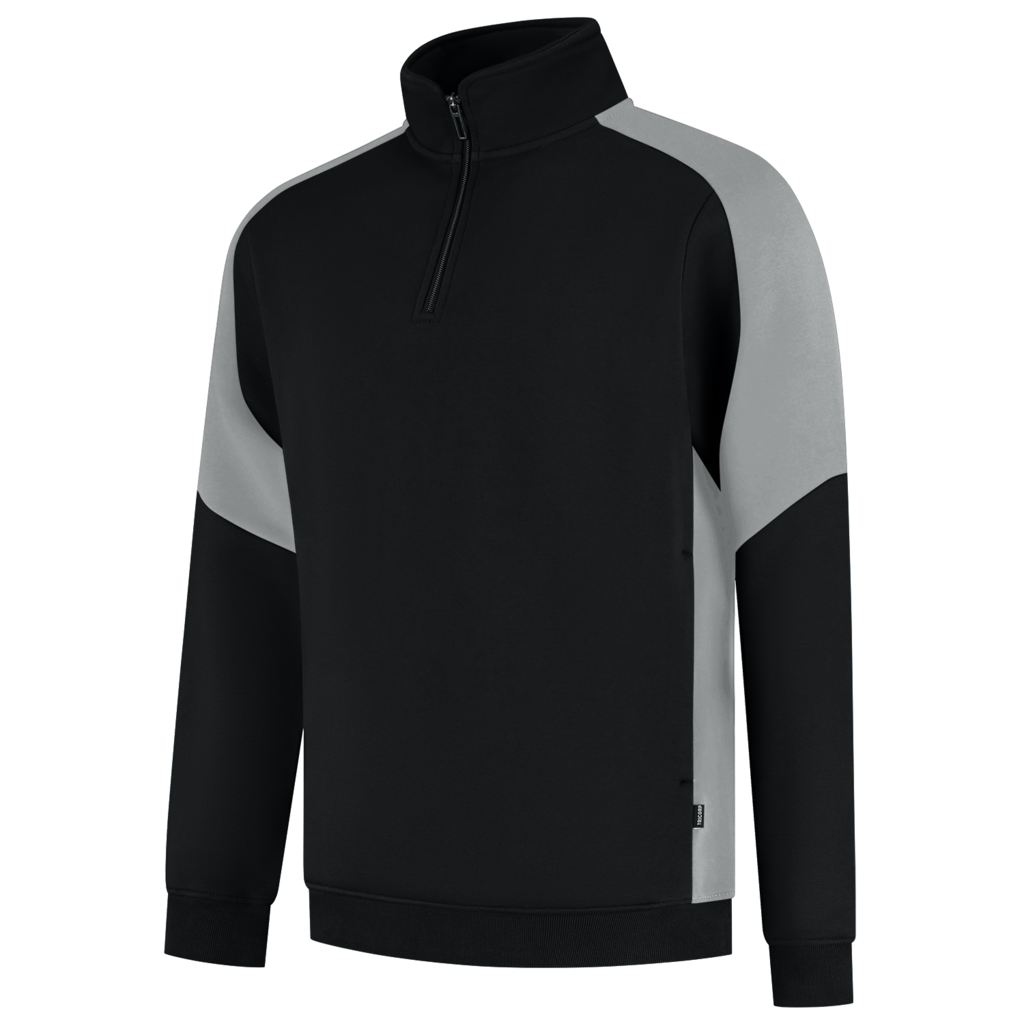
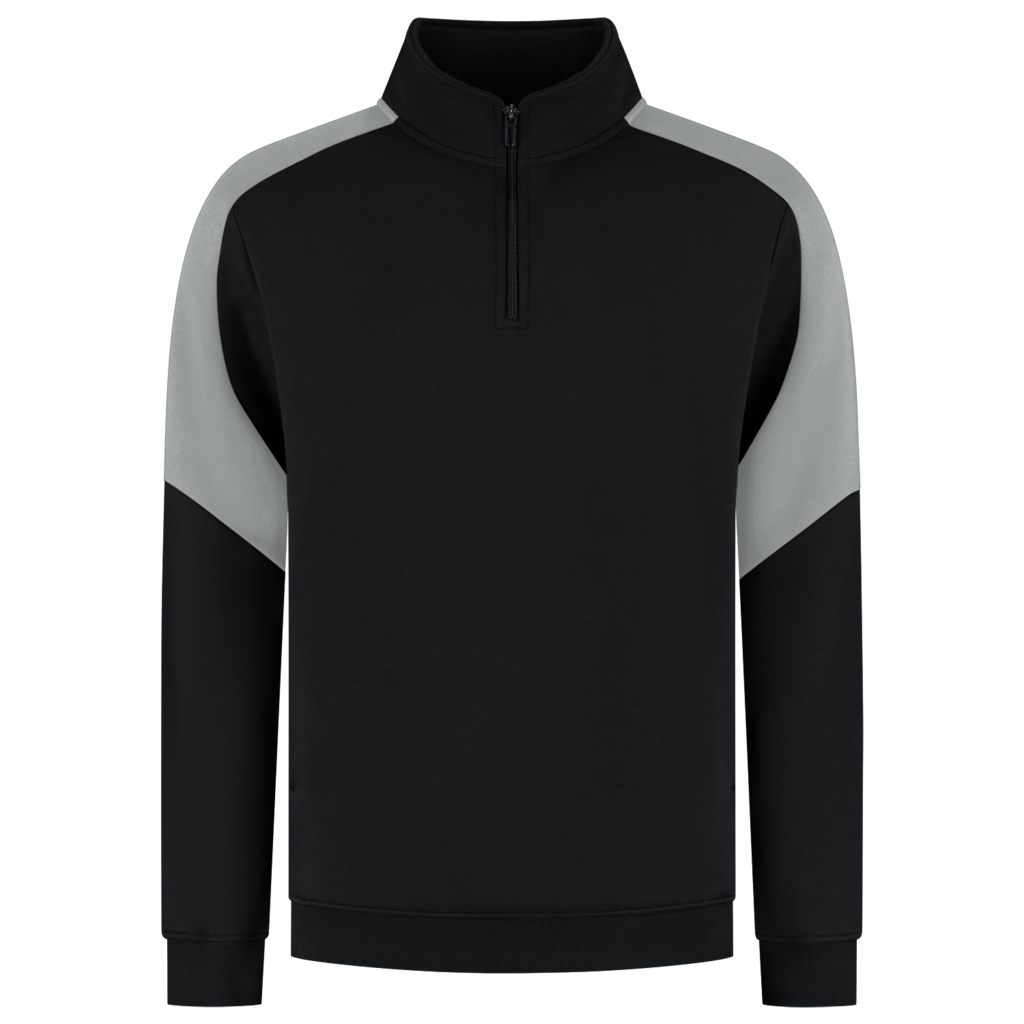
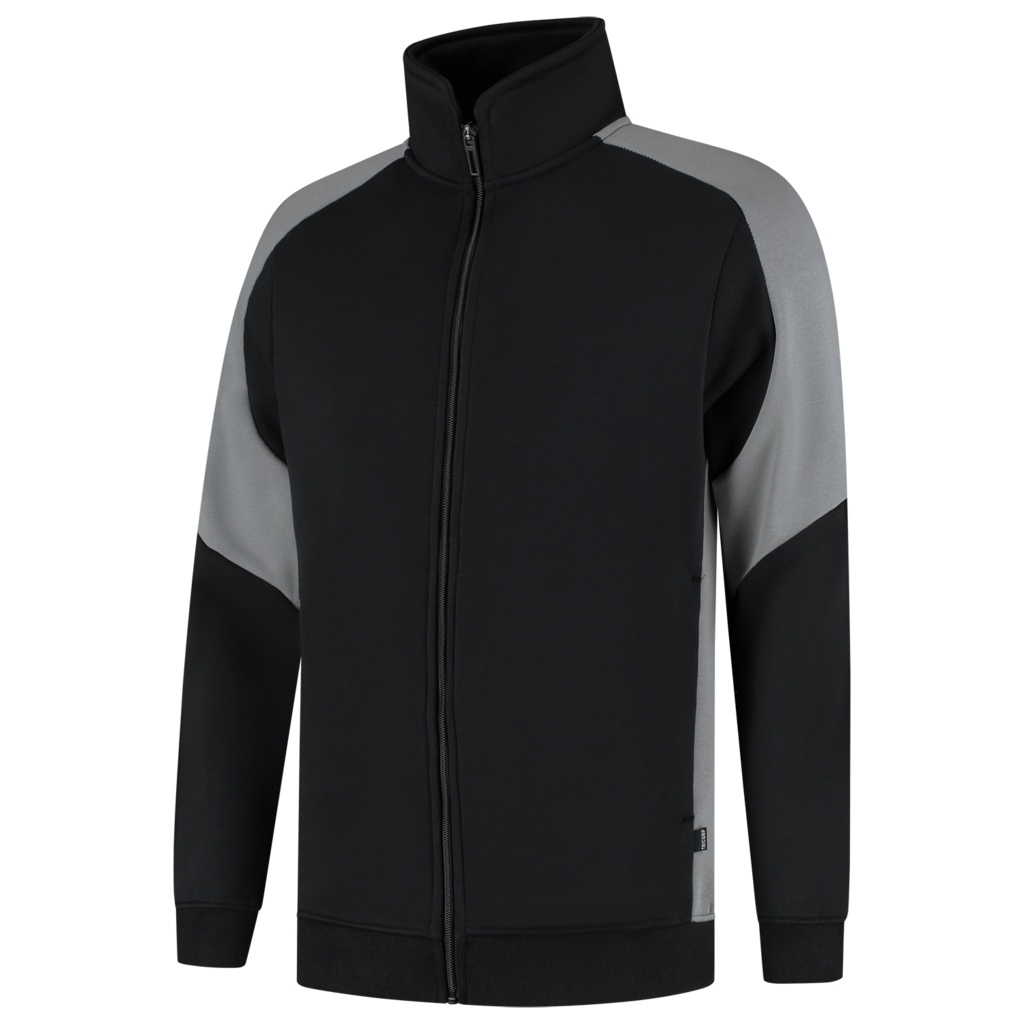
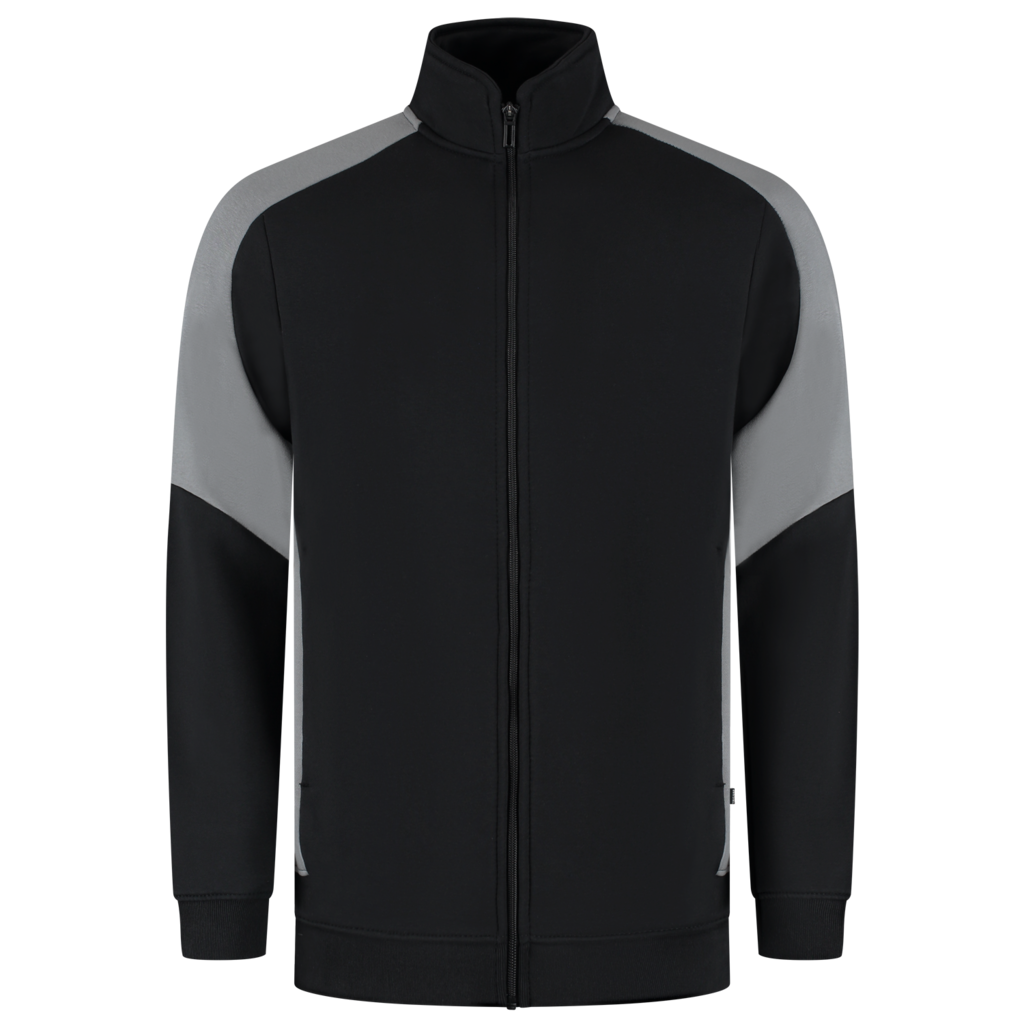
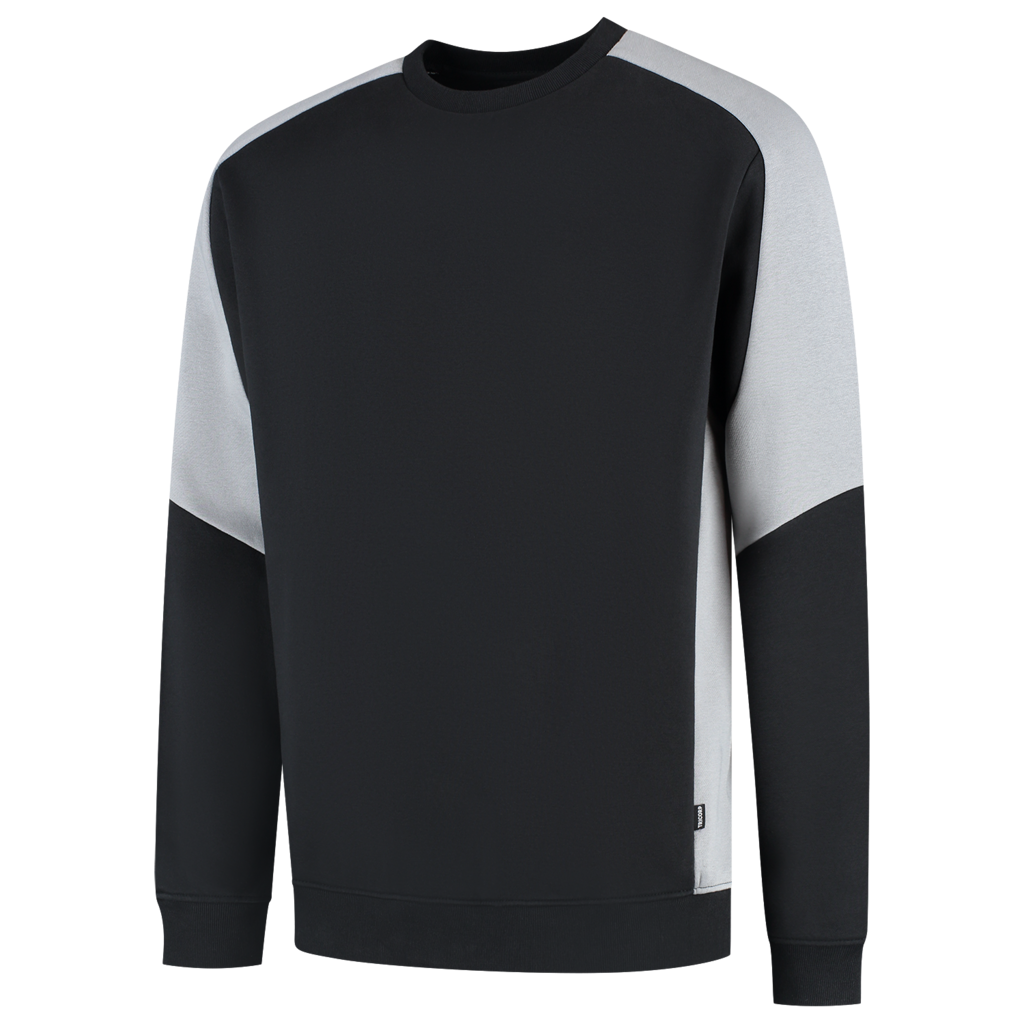
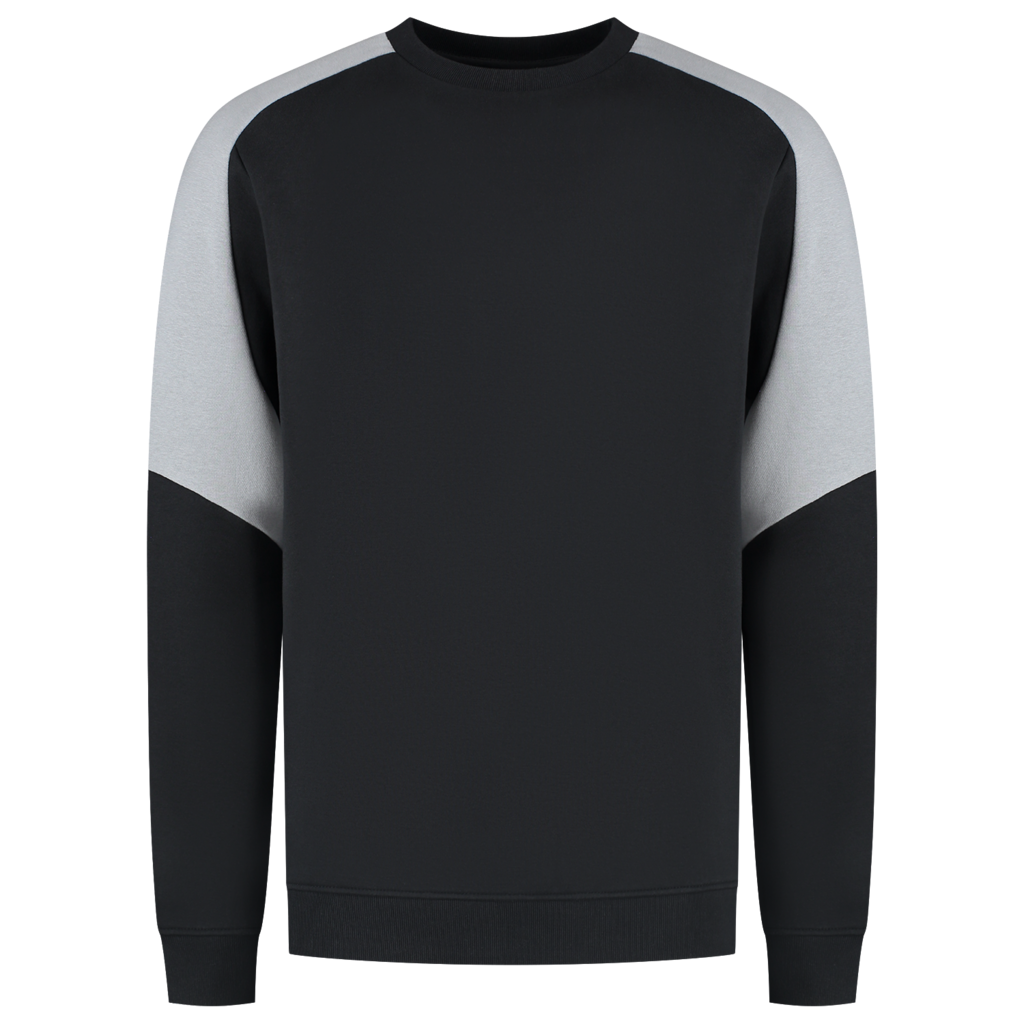
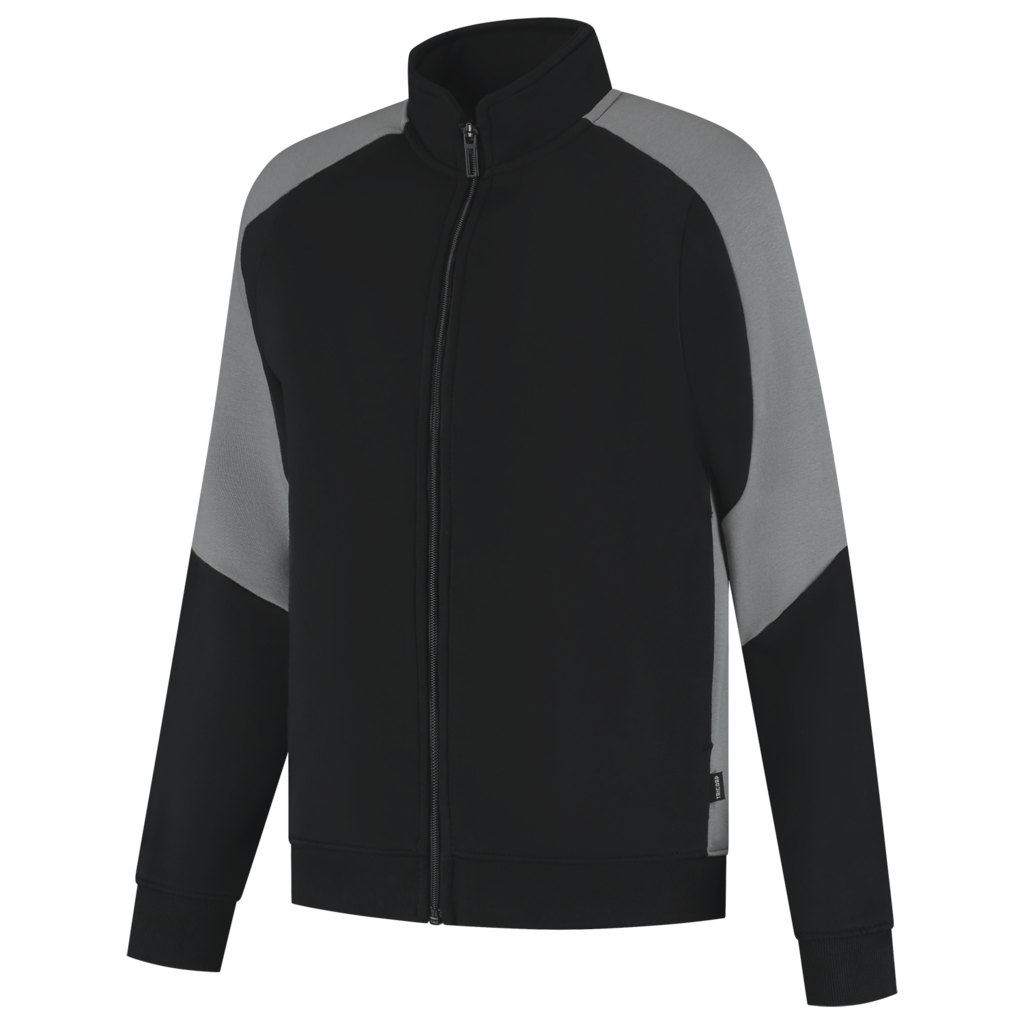
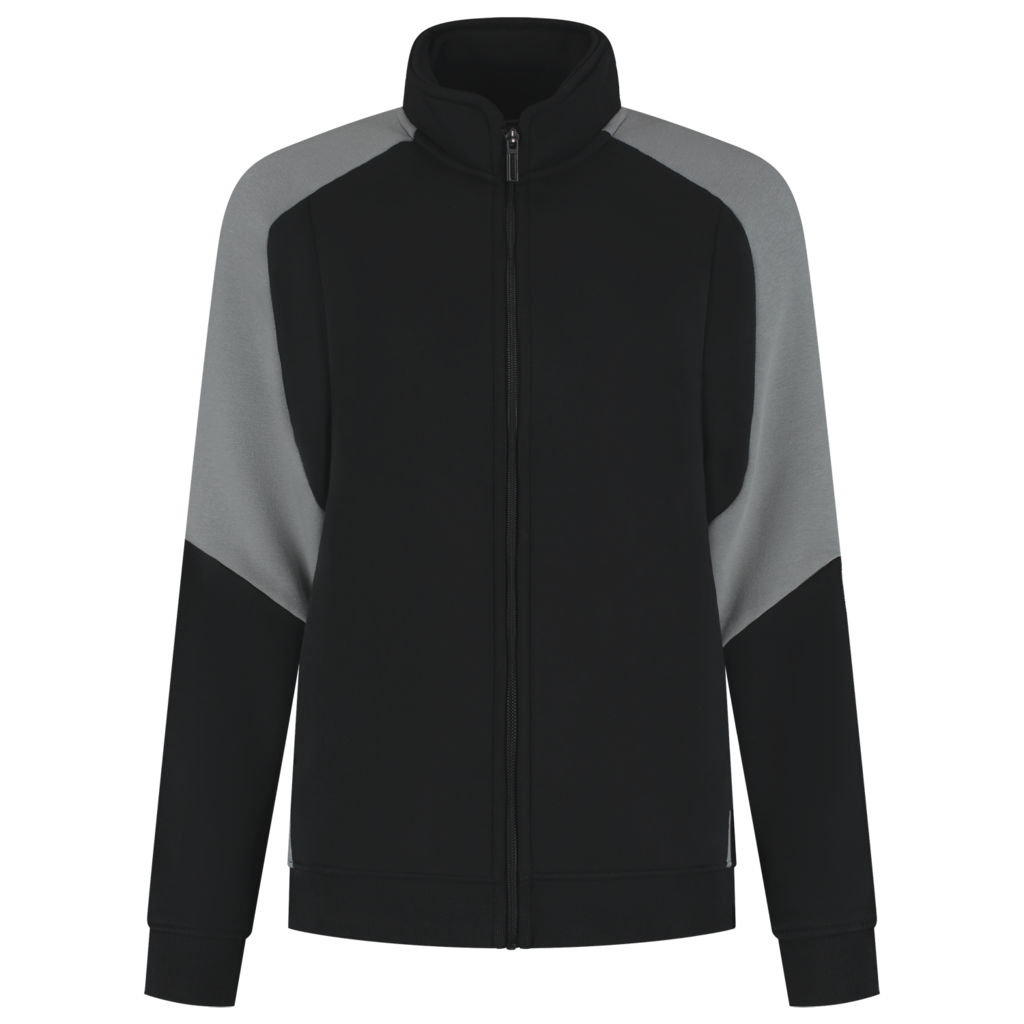
Sweater and fleece |
A1, B1 and C2 |
|
Parka |
A1, B1, C1, E3 and F1 |
|
Soft shell |
A1, B1 and C2 |
|
Overalls and trousers |
A1, B1, C1, E2 and F1 |
Discover the full version here multinorm collection.