


What are carpenter pants good for?

What are carpenter pants good for?
Carpenters' trousers have a long history in construction and craftsmanship. But why are they called that? And what makes them different from regular cargo pants?
In this article we explain what carpenter trousers are good for, what distinguishes them from other work trousers and what features you need to know if you want to buy one for work. Because a good choice starts with understanding what the pants are made for.
Why are they called carpenter's pants?
The name says it all: the carpenter's trousers were originally designed for carpenters. The characteristic detail is the hammer loop on the side, an extra loop or pocket specifically intended for hanging a hammer. That detail made the trousers immediately recognizable as tool trousers for the professional. In addition to the hammer loop, early carpenter's trousers always had multiple sturdy pockets, reinforced knee patches and a looser fit that allowed kneeling without tearing.
Nowadays, it is not only carpenters who wear these trousers. The combination of strength, functionality and extra storage space makes them popular in construction, installation technology, earthworks and other craft professions where you want to keep your hands free and have tools at hand. The term carpenter's trousers has actually become a collective name for an entire category of professional work trousers.
What is the difference between carpenter pants and cargo pants?
A frequently asked question. The difference is mainly in the use and construction. Cargo pants are a broader category: any pants with extra storage pockets on the side can be called cargo pants. These are also casual models that you see in the city.
Carpenter's trousers are specifically work trousers. It is built for heavy use, has reinforced knees or knee pad pockets, a hammer loop and materials that can withstand wear and tear. Where cargo pants combine style with storage space, carpenter pants combine functionality with safety and durability. The quality of the material, the seams and reinforcements are of a completely different level with real work trousers than with casual cargo trousers.
What are carpenter pants good for?
Good carpenter's trousers are designed to last in the toughest working conditions. The most important properties are freedom of movement, wear resistance in vulnerable areas such as knees and seat, and sufficient storage space for tools and materials. Consider pockets that are wide enough for a measuring tape, sturdy enough for a screwdriver and at the right height for easy access while working.
Many modern carpenter's trousers are made of stretch material, allowing you to move freely when kneeling, climbing or bending over. Reinforcements made of Cordura or a similar material ensure that the trousers last a long time, even with intensive daily use. The pockets are usually more spacious and sturdy than regular trousers, with specific compartments for measuring tape, pens or other tools that you always want to have within reach.
A complete outfit for the professional
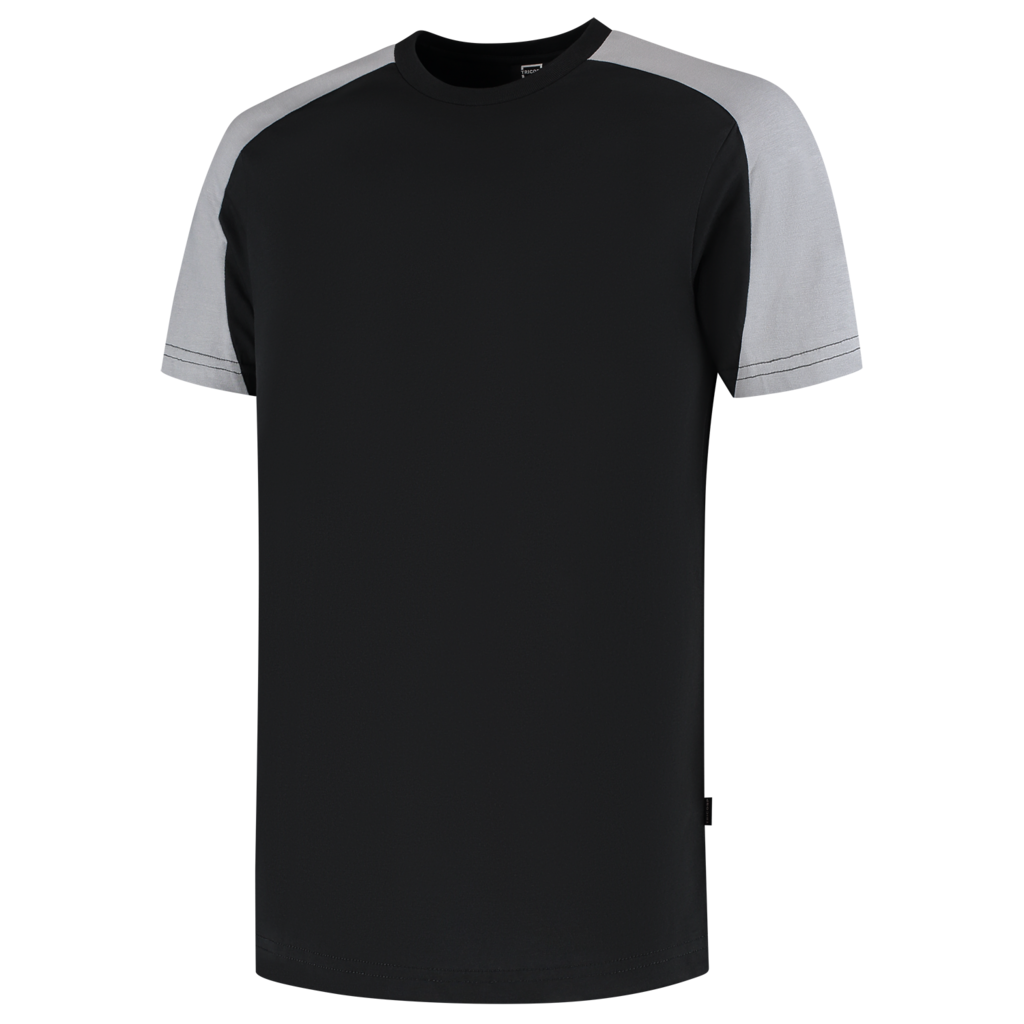
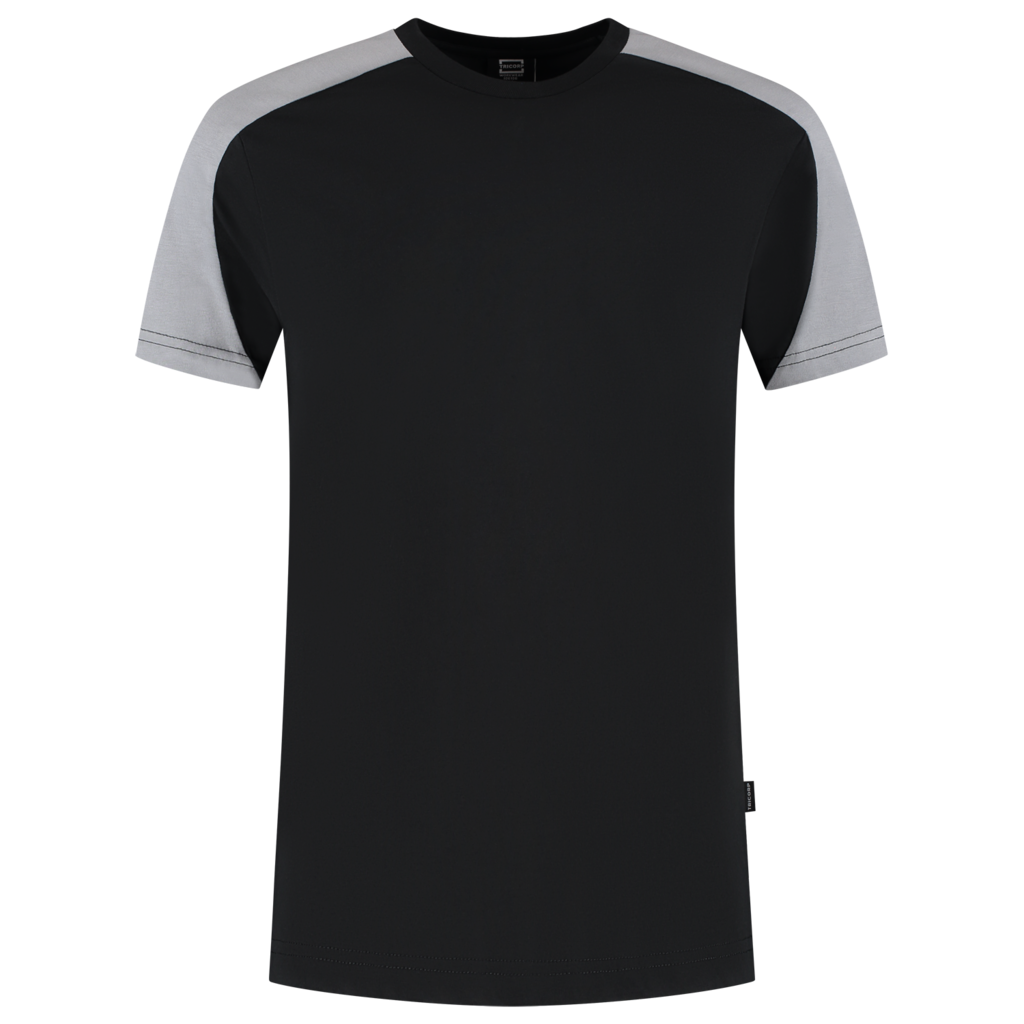
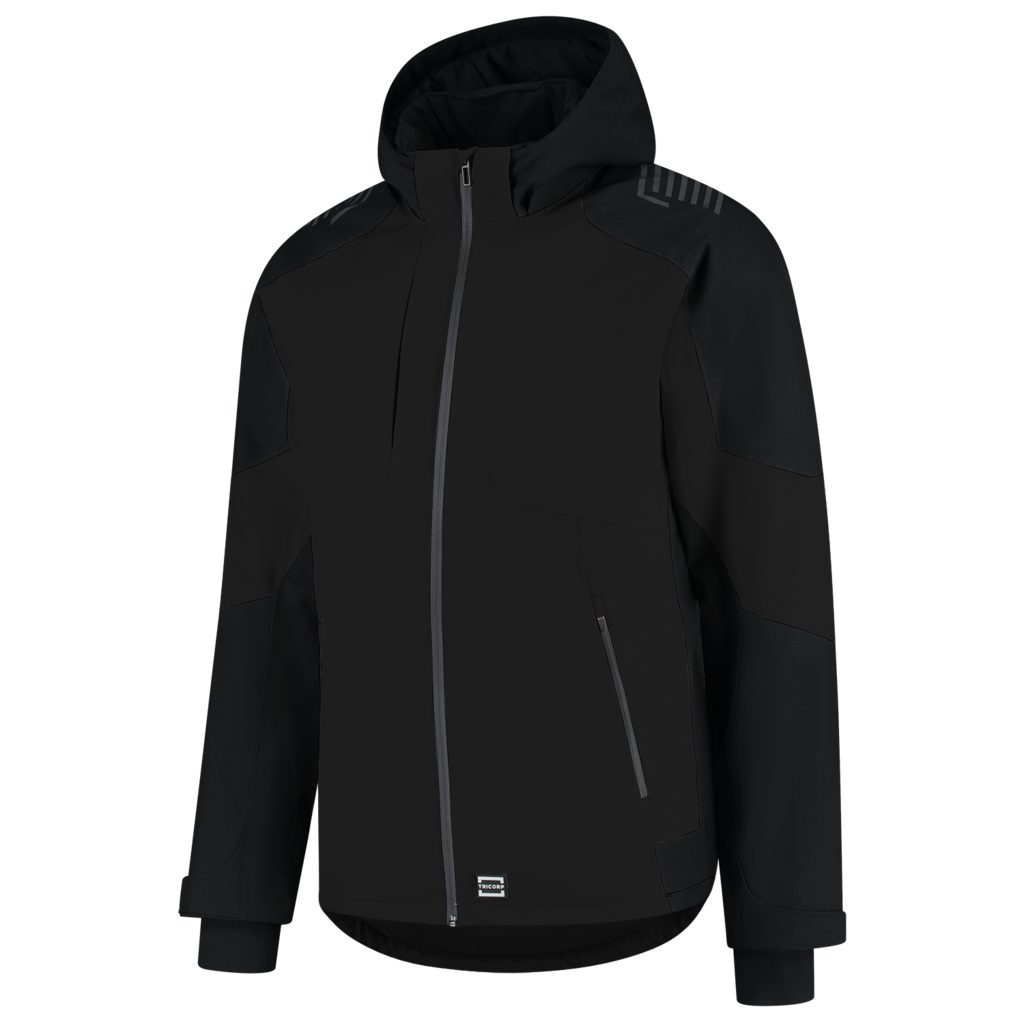
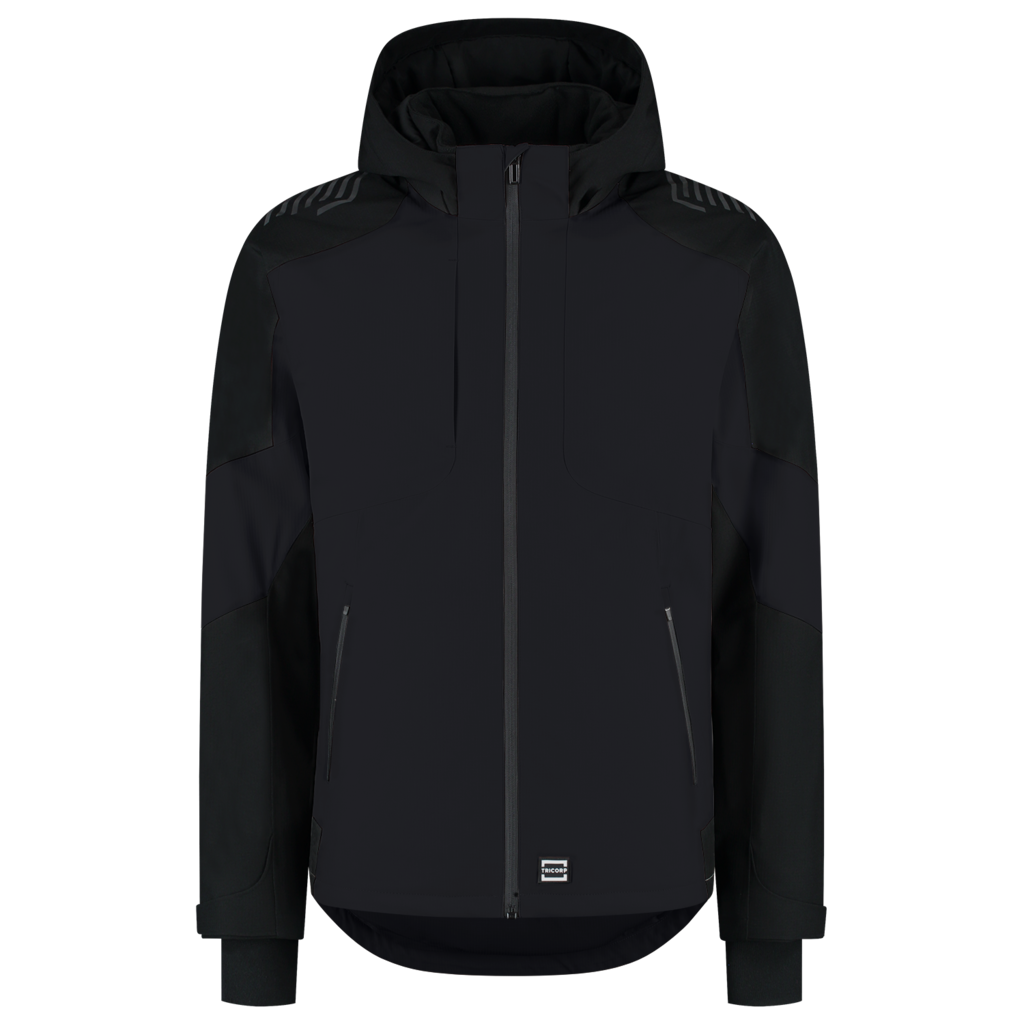
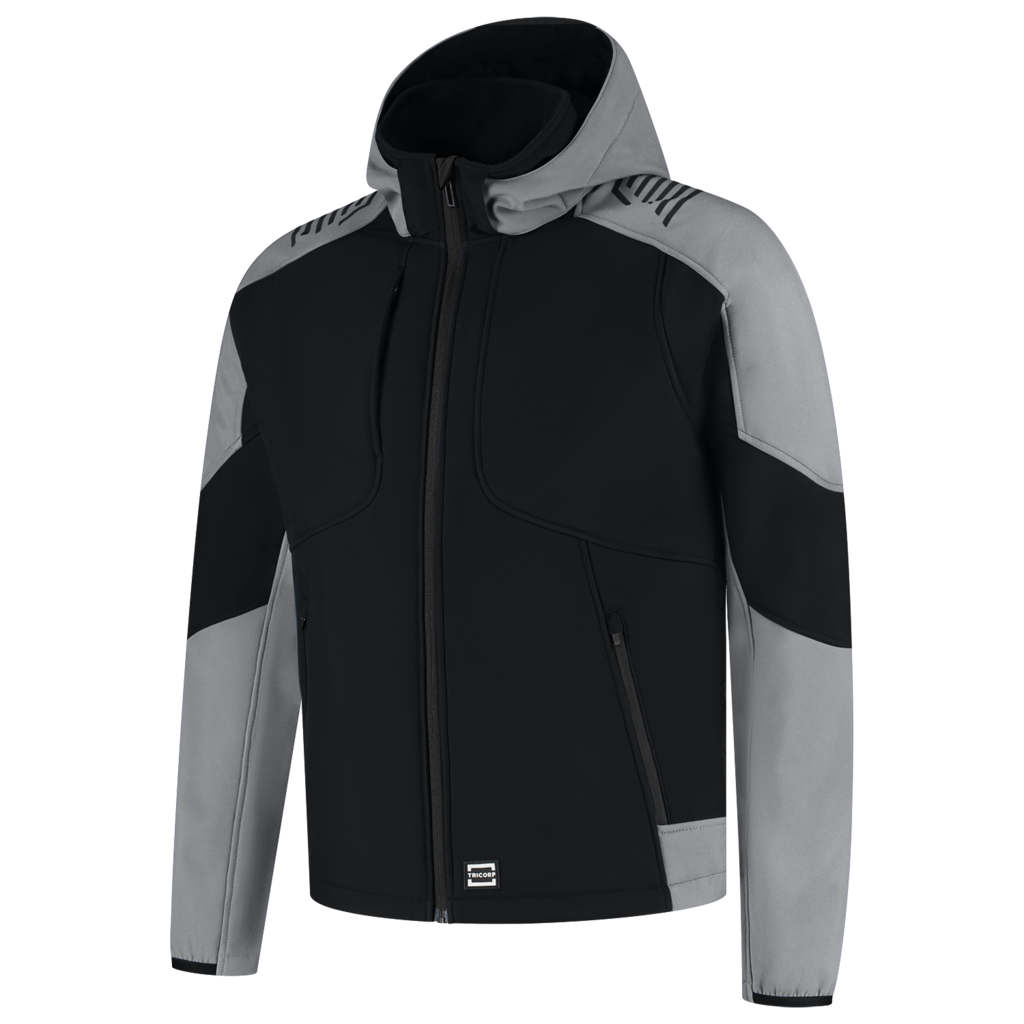
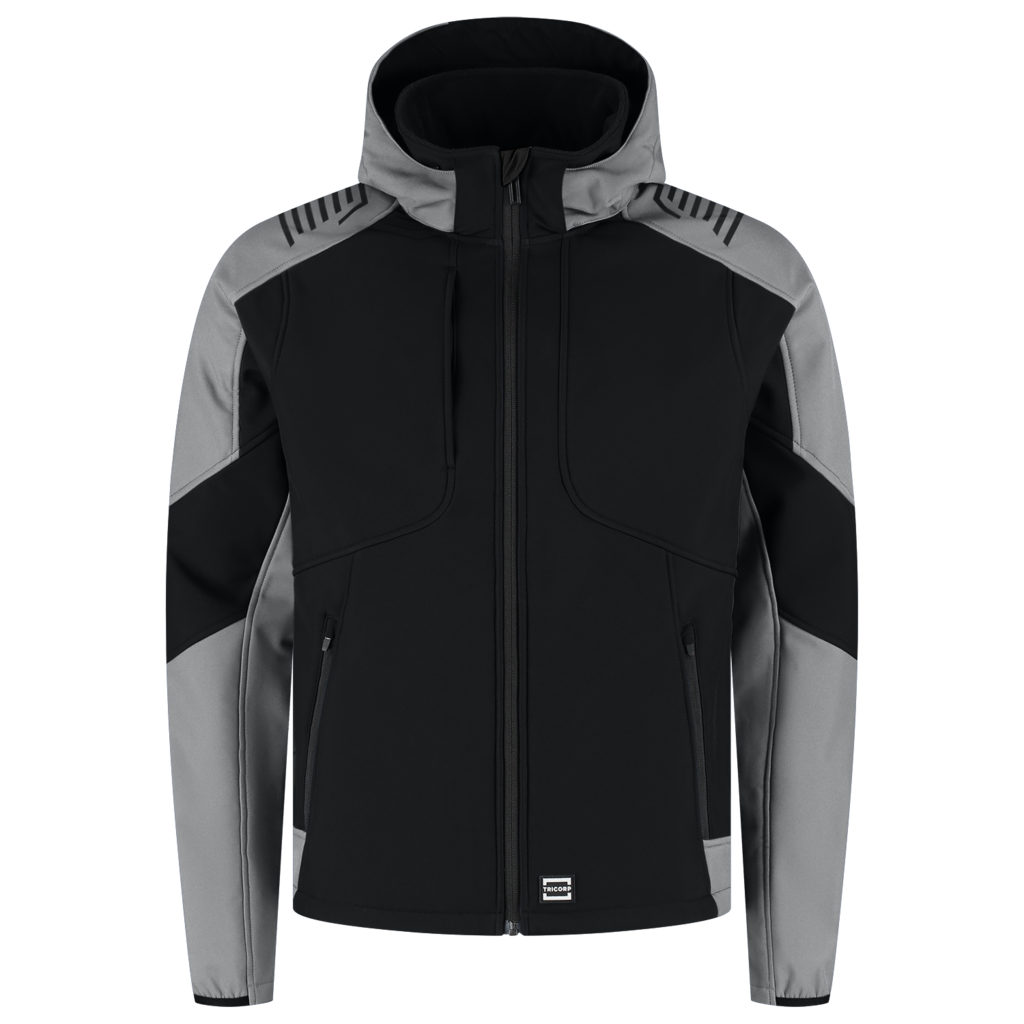
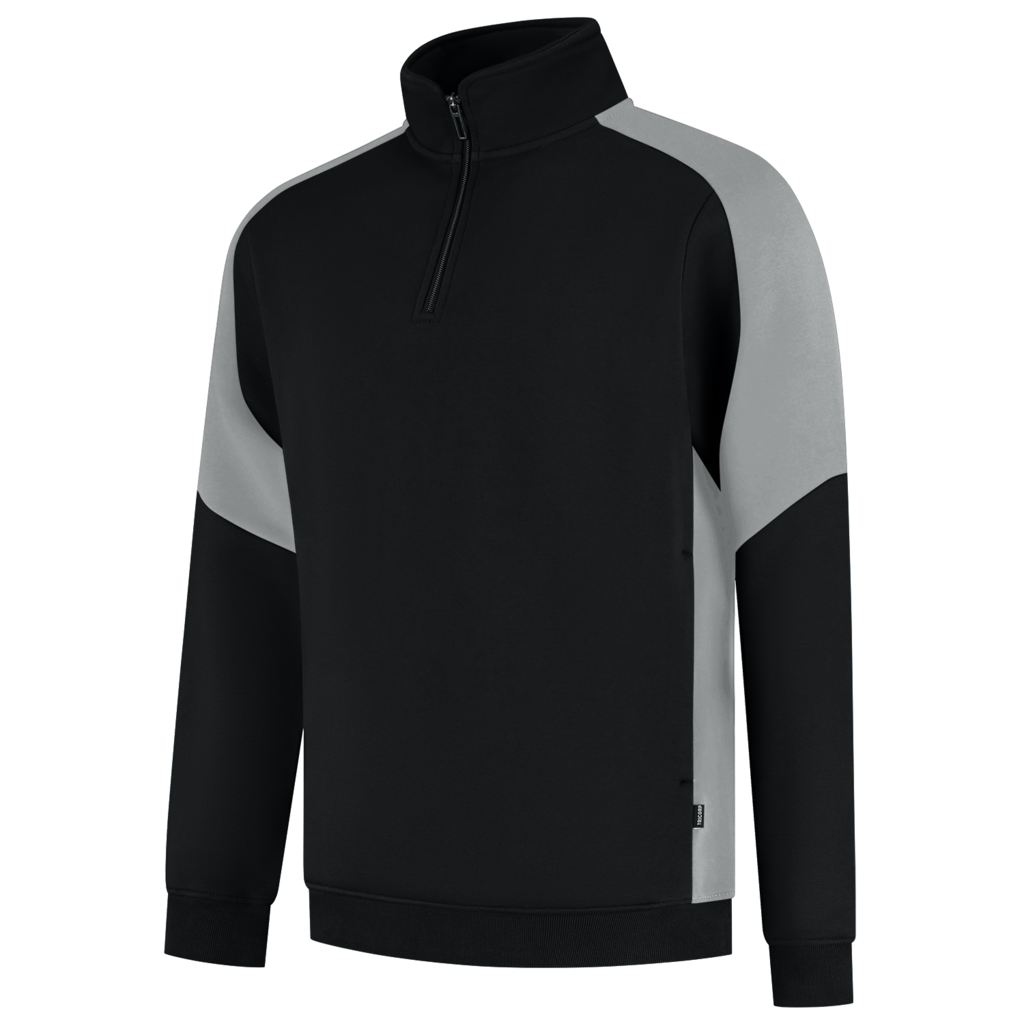
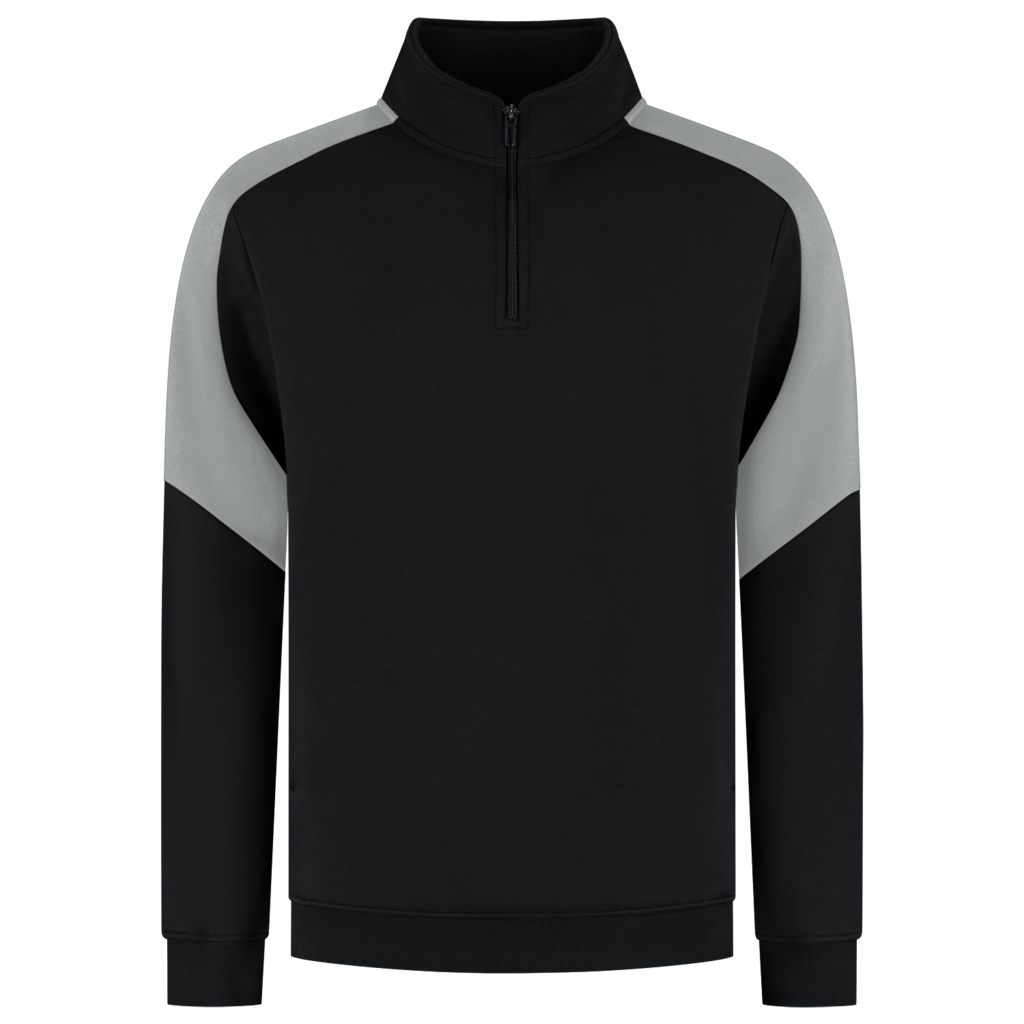
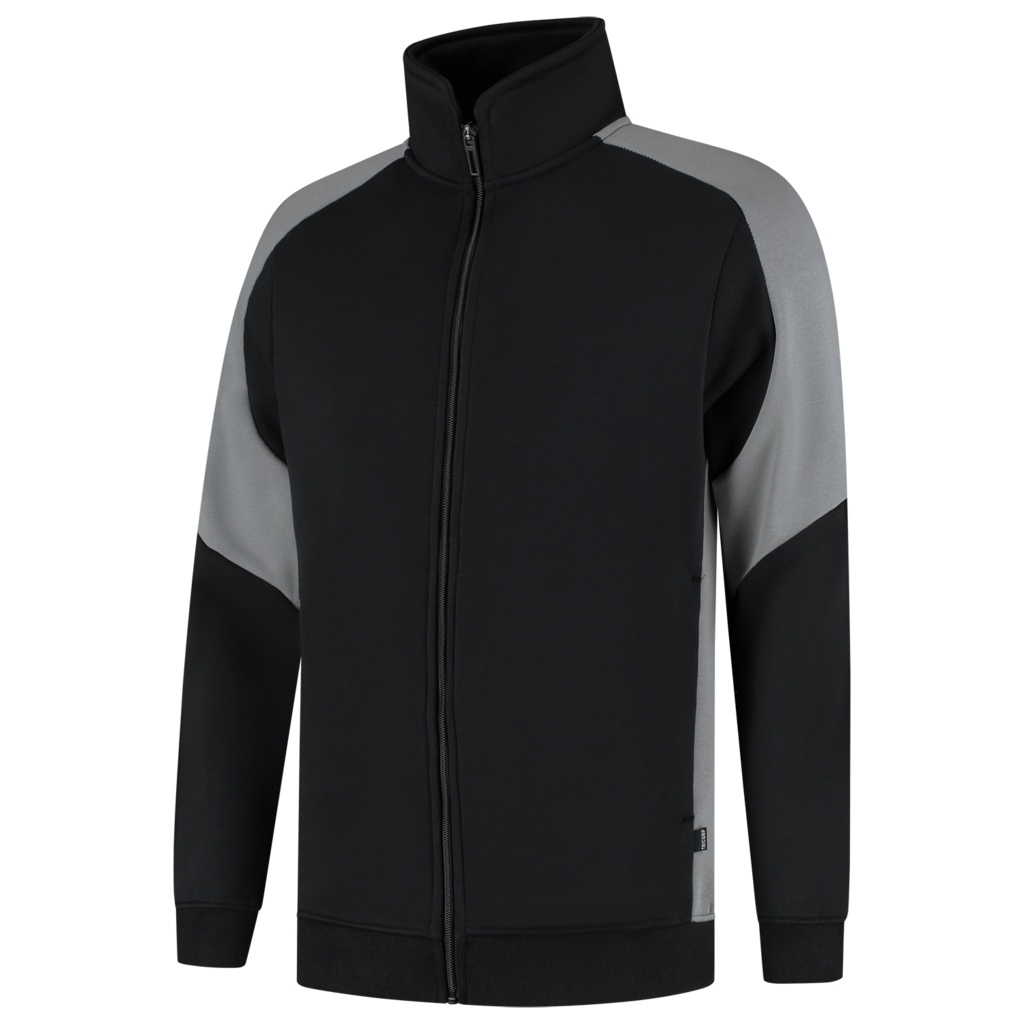
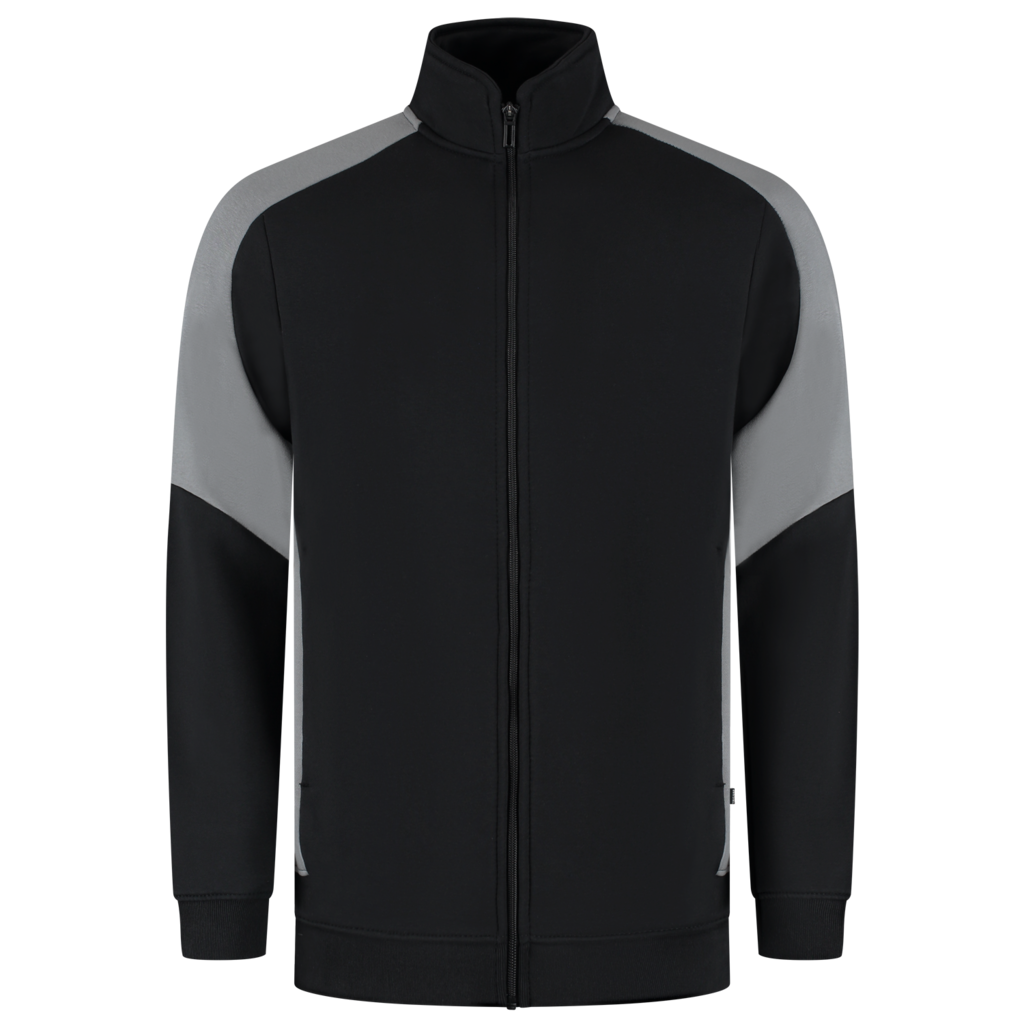
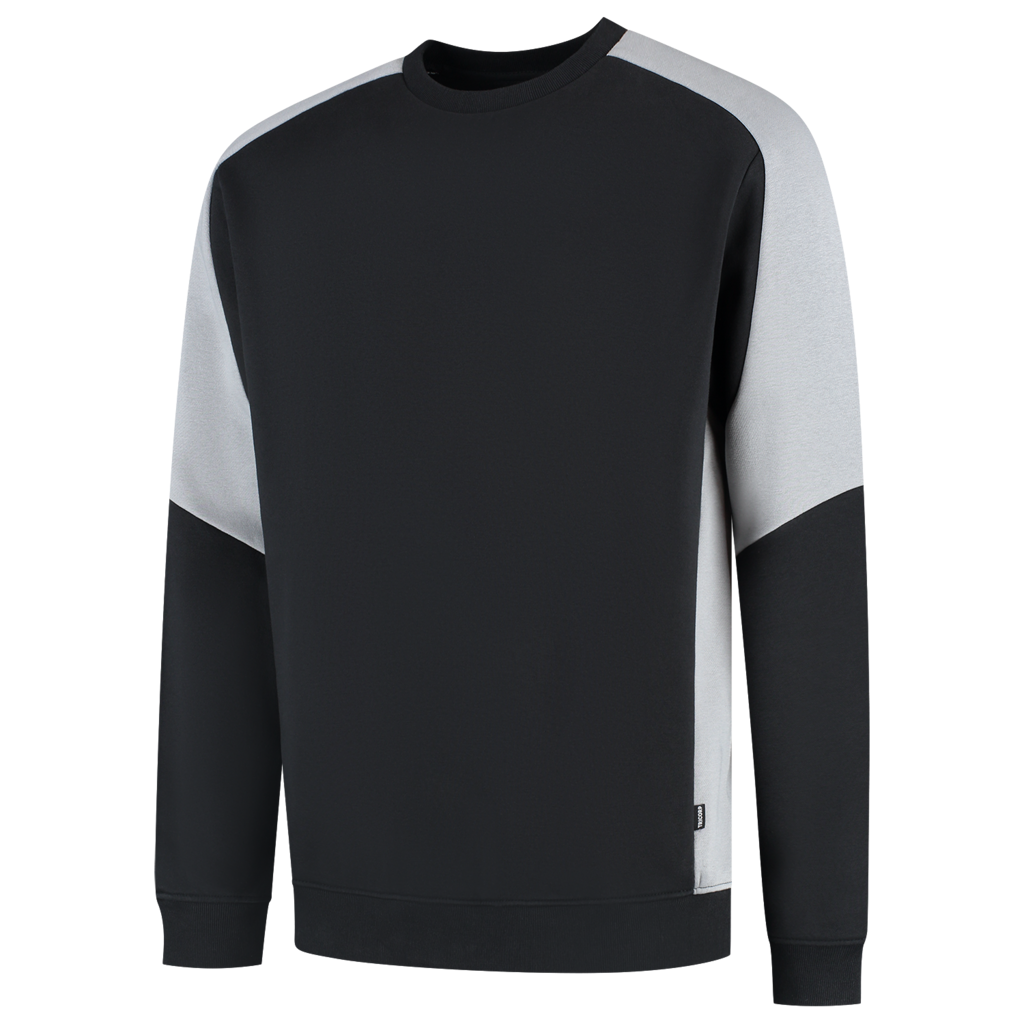
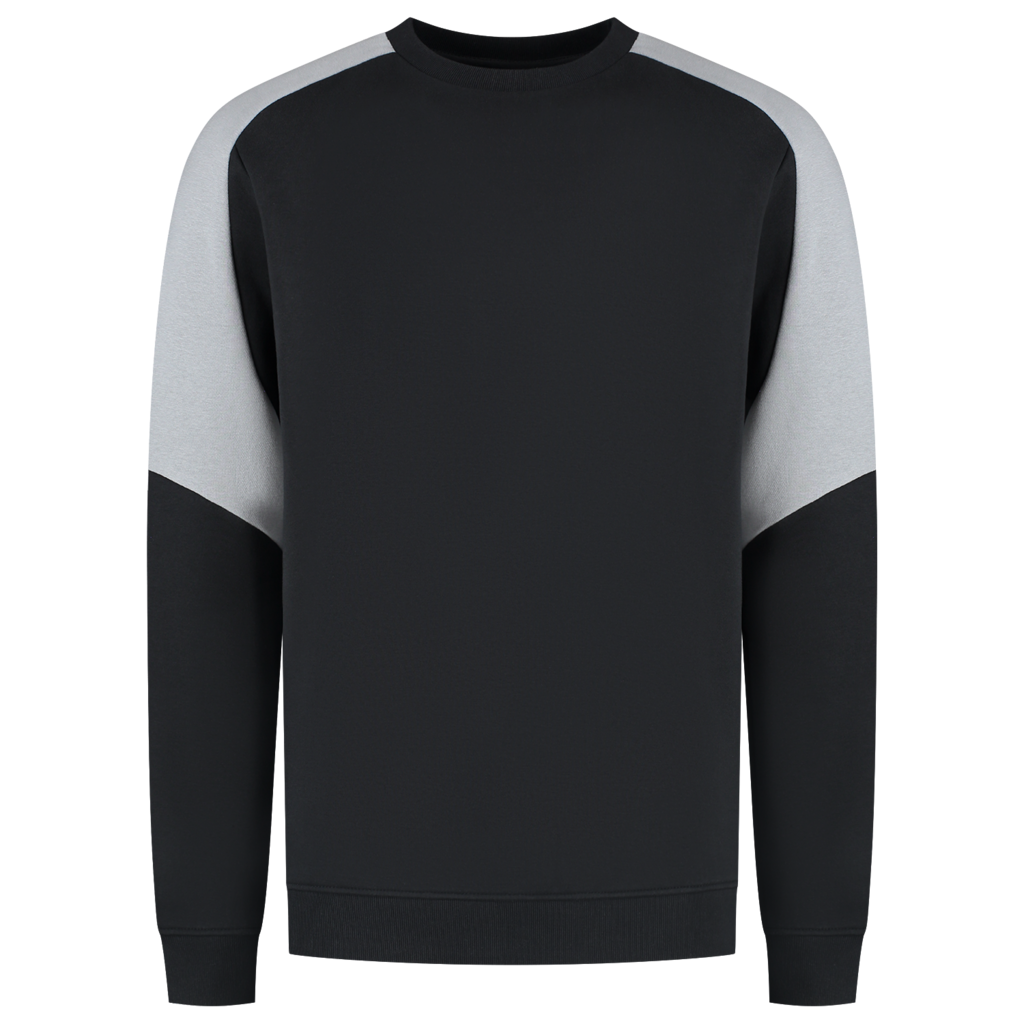
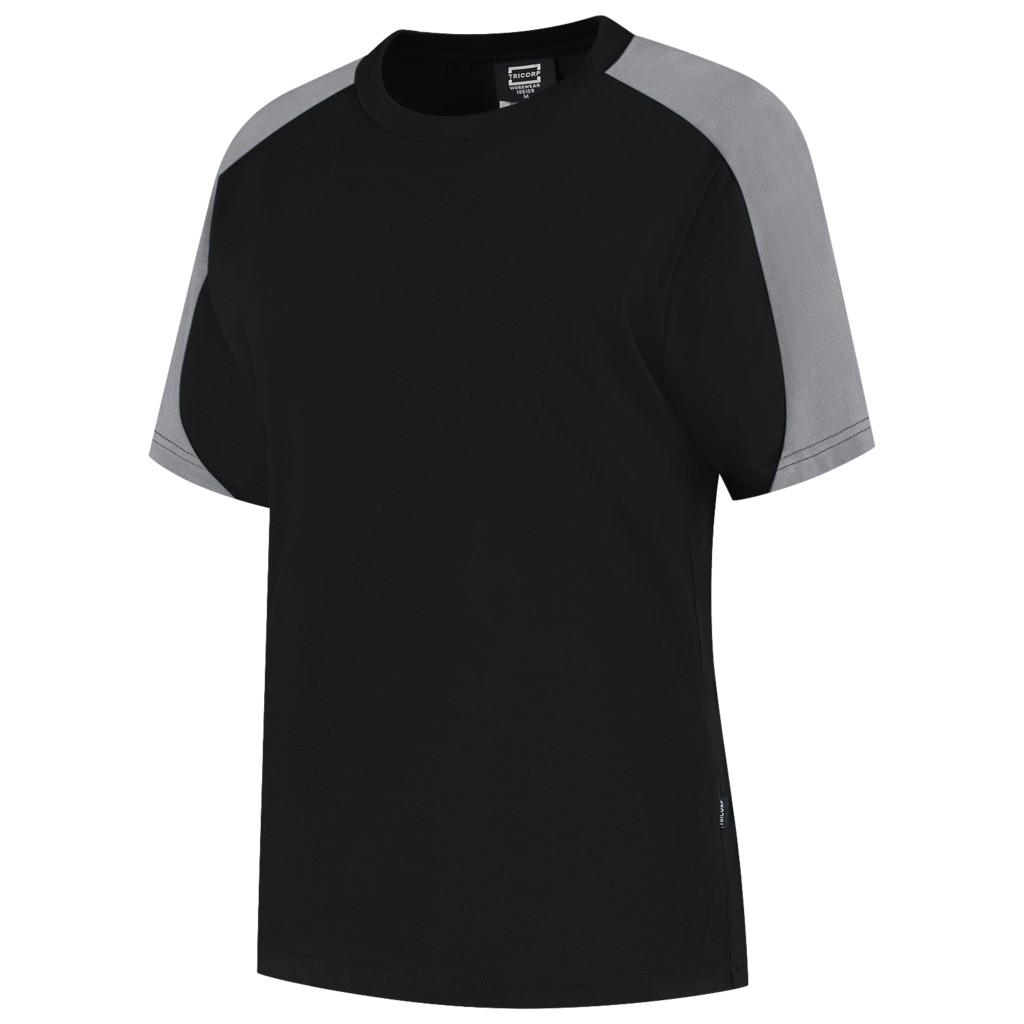
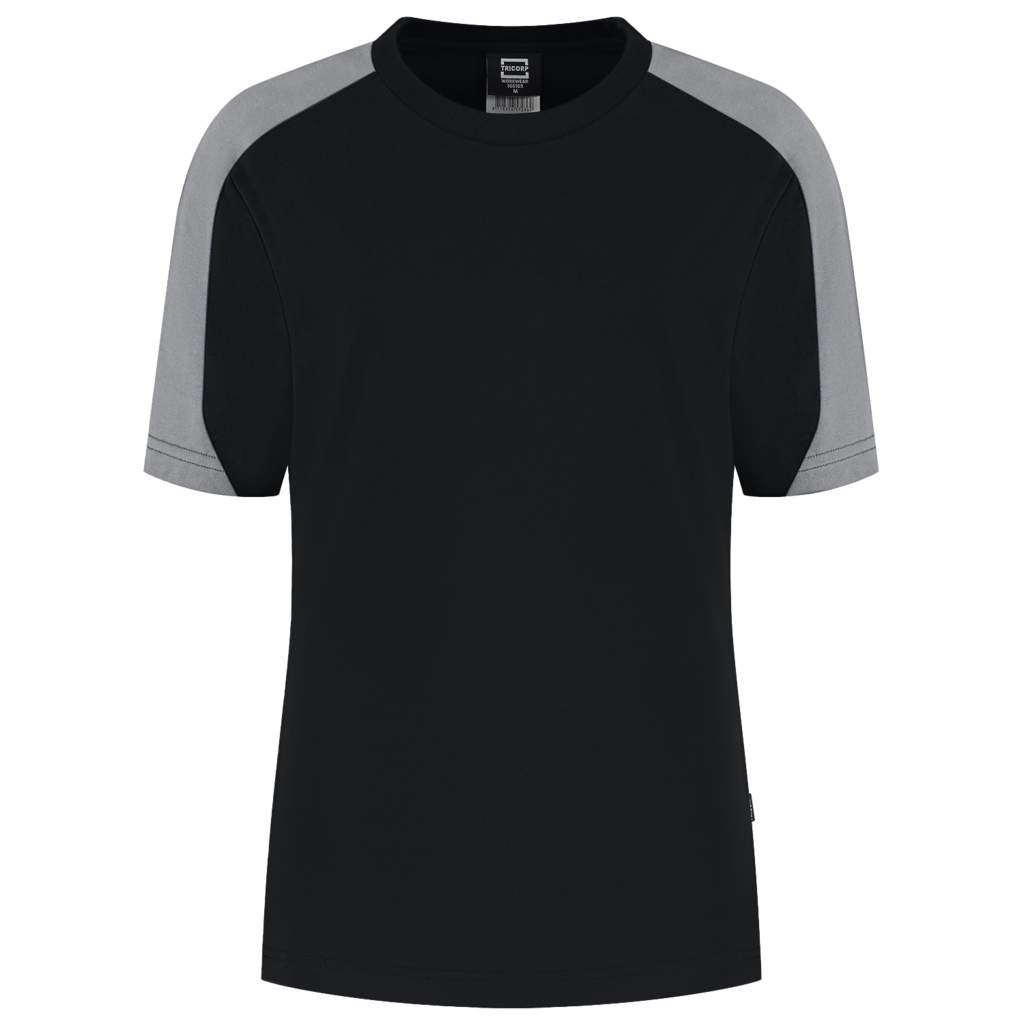
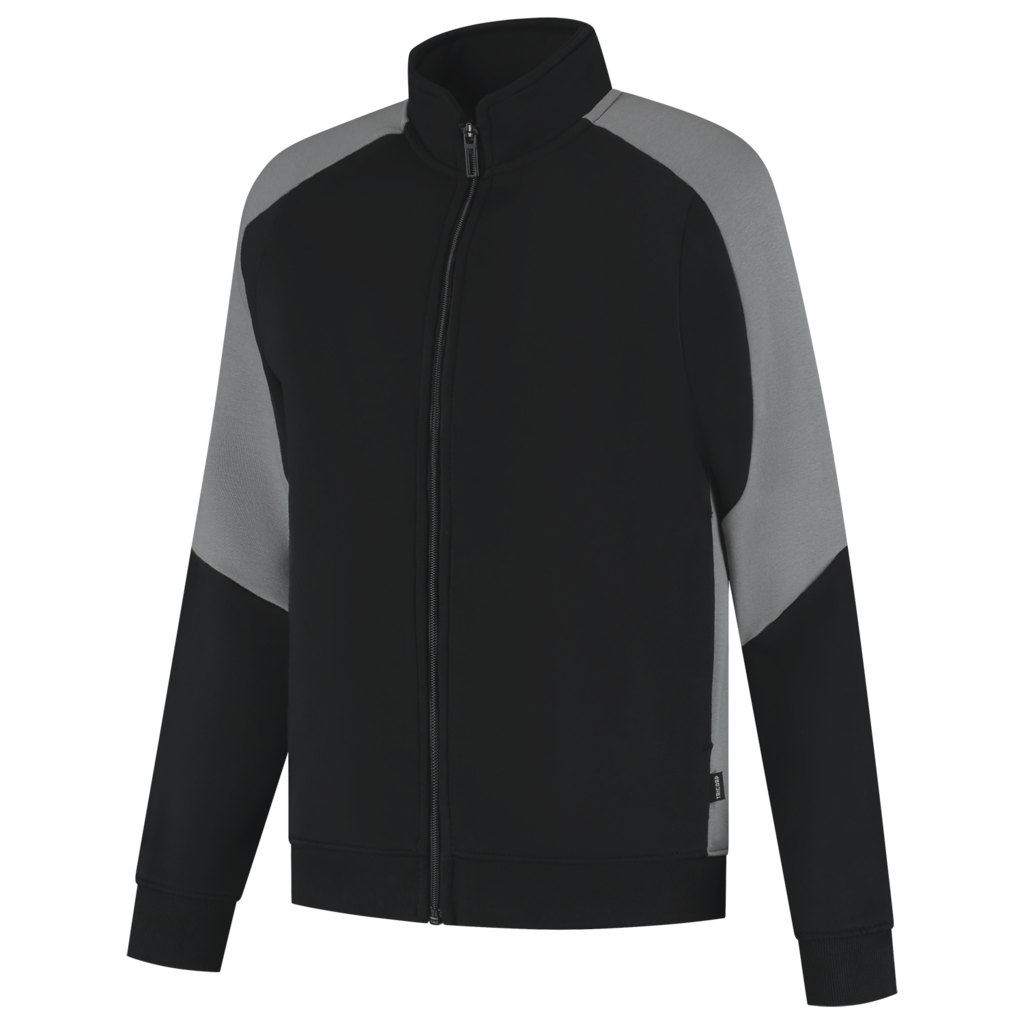
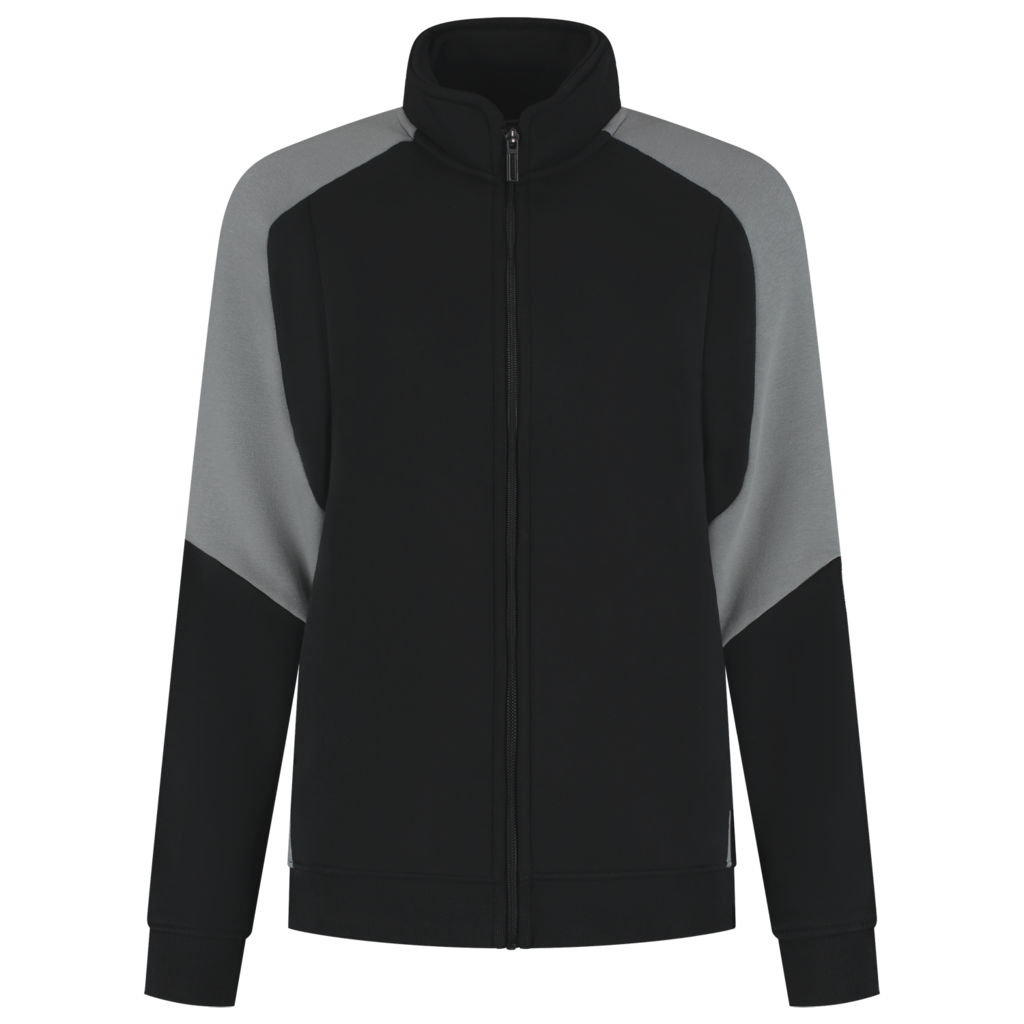
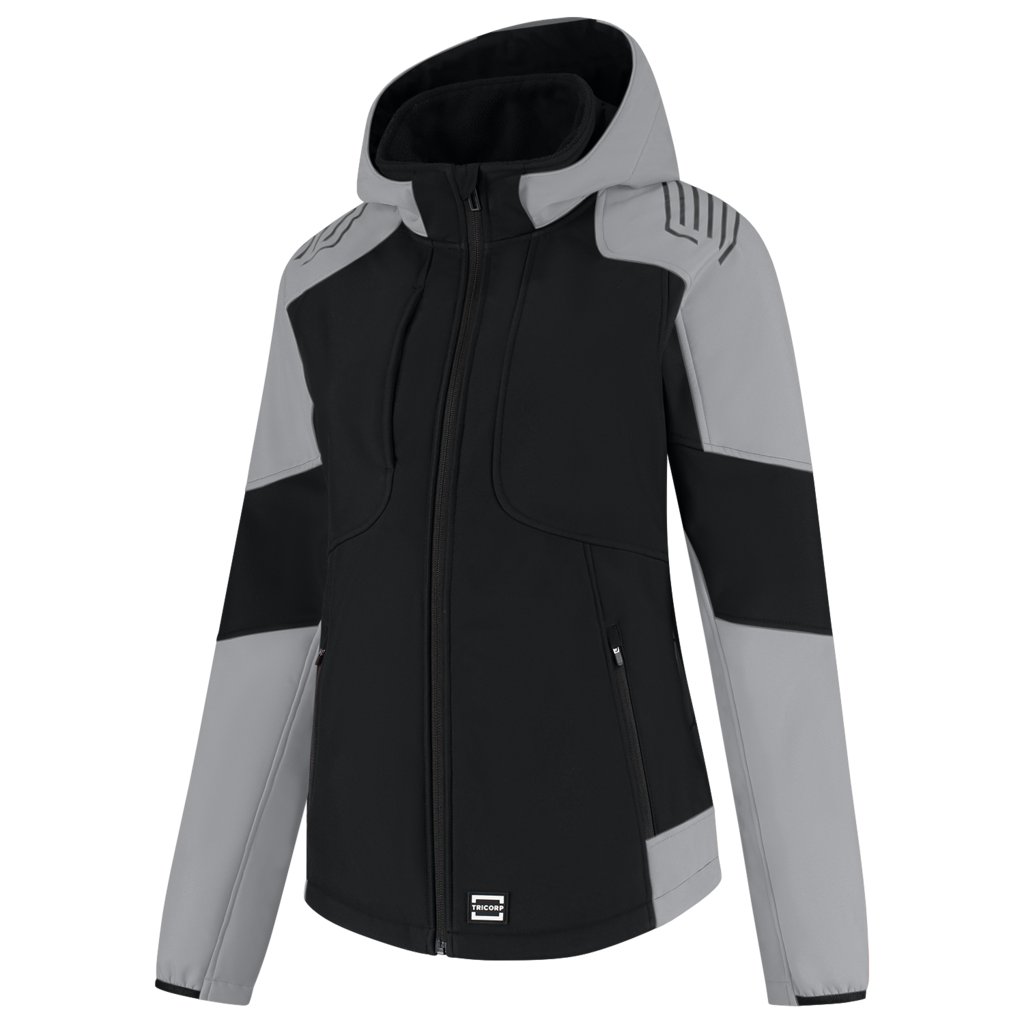
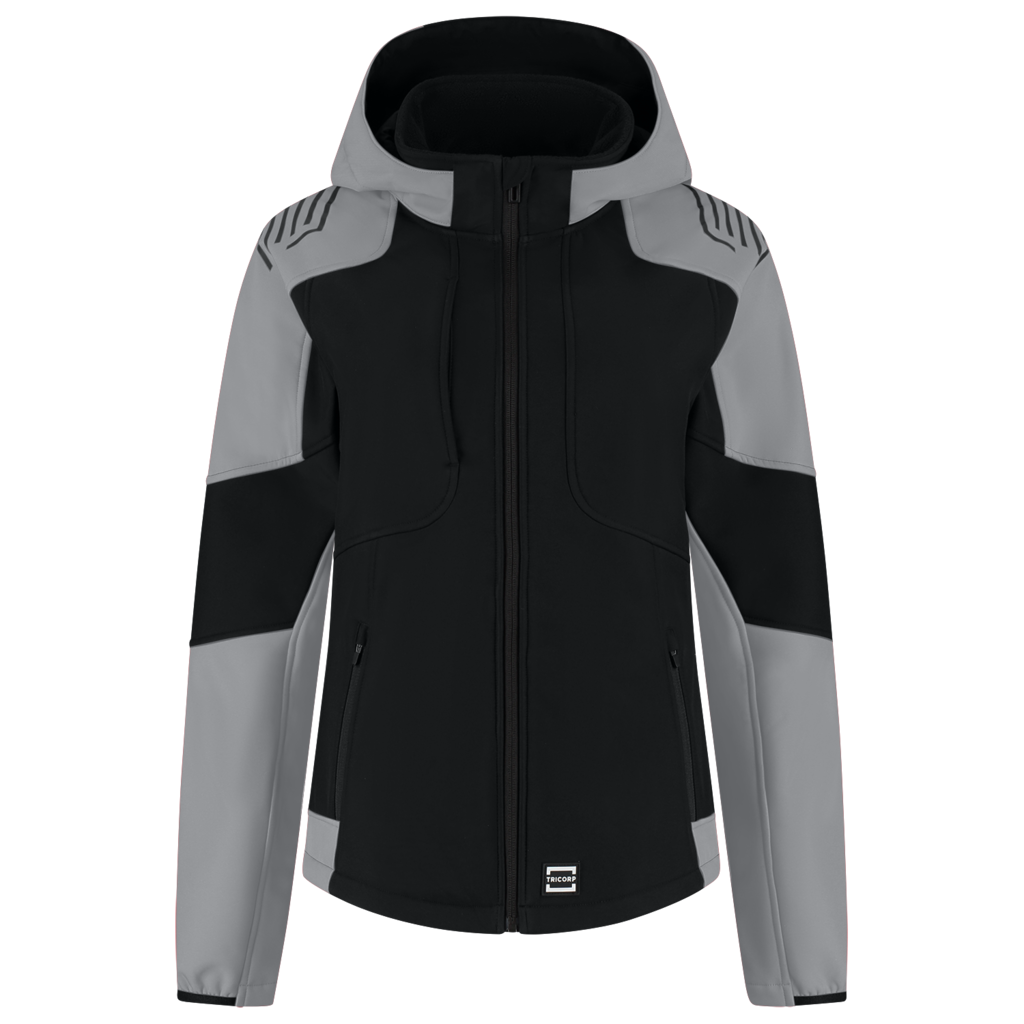
A strong combination for work is the Work Trousers Cordura Functional Stretch Redefined as pants, it T-shirt Redefined as a base layer and the Zip Sweater Bicolor Redefined to keep you warm and comfortable. When you work outside in colder days, you can use the Softshell Hood Luxury Redefined put on as an extra layer.
The work trousers have Cordura reinforcements on the knees, functional stretch panels for freedom of movement and adjustable knee pockets. The T-shirt is made of 100% organic cotton and washable at 60°C. The Zip Sweater has a high collar, which keeps your neck warm. The softshell is water-repellent, breathable and equipped with reflection elements for extra visibility. Together, an outfit that suits the work of the modern professional.
Sustainability and quality as a starting point
The best carpenter pants are not only functional, they are also long lasting. That starts with the choice of materials. Organic cotton, recycled polyester and Cordura reinforcements are materials that have been consciously chosen for a long lifespan and a smaller ecological footprint. Clothing that you don't have to replace every few months is ultimately cheaper and more durable.