


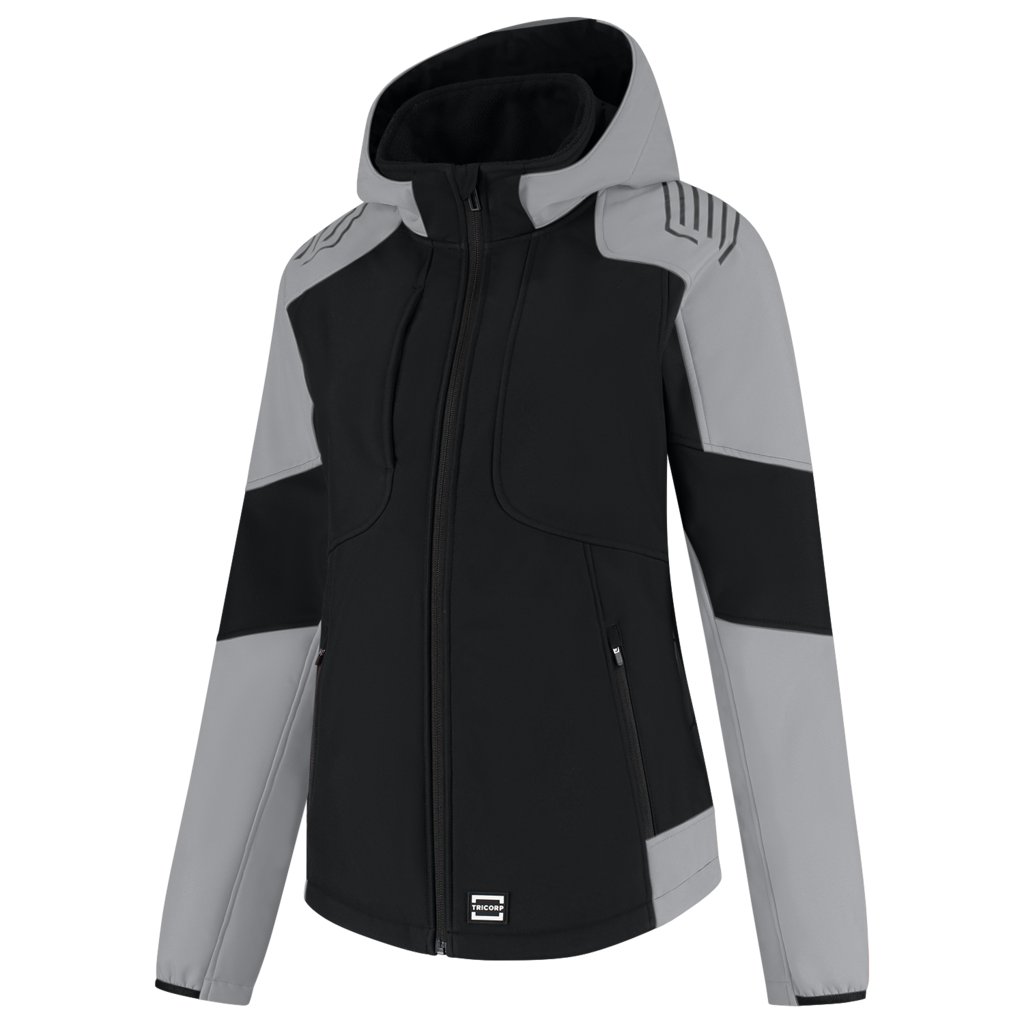
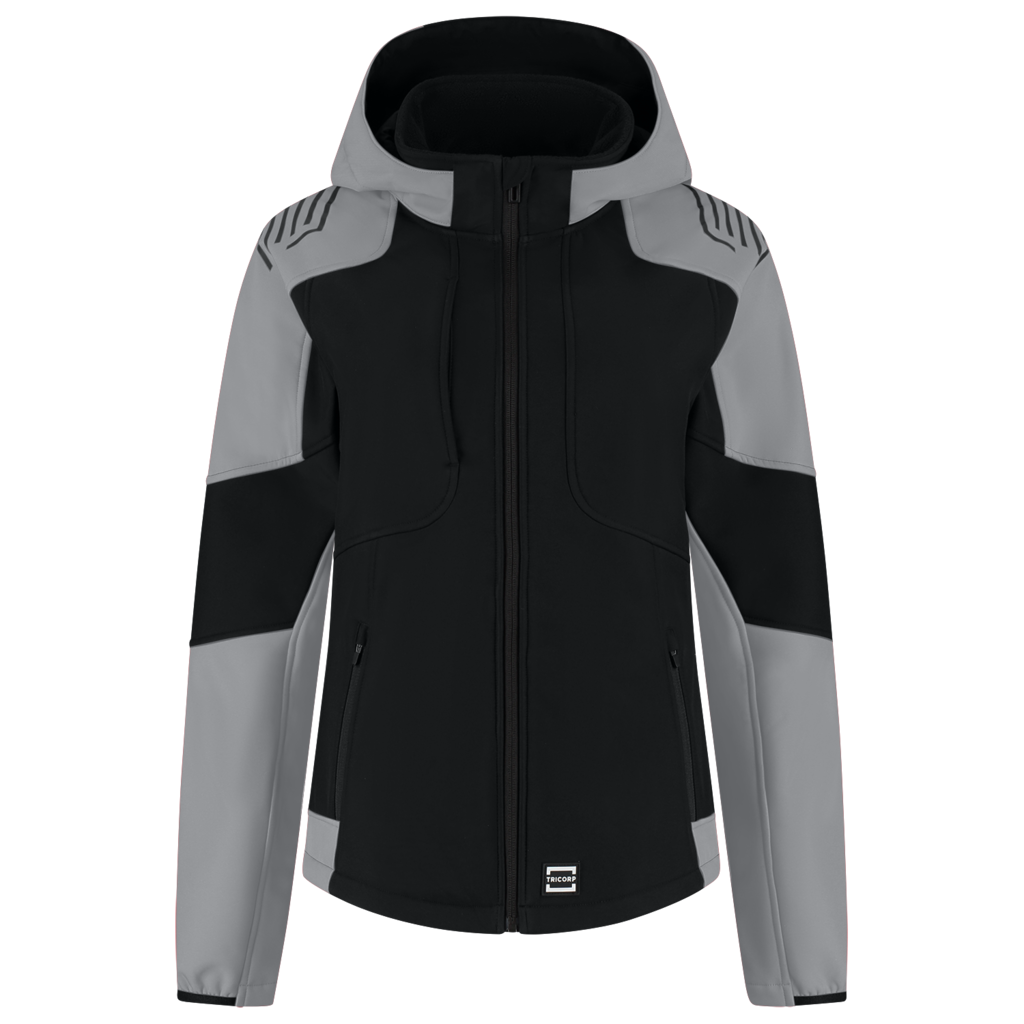
Which professions require work clothing?

In some professions, work clothing is required by law, in others it is strongly recommended or prescribed by the employer. But which professions exactly require work clothing and why? In this article we provide an overview of the sectors and professions for which work clothing is a must.
When is work clothing legally required?
The Working Conditions Act requires employers to provide personal protective equipment if the work requires it. This applies to professions where employees are exposed to hazards such as falling objects, chemicals, heat, electricity or dangerous traffic. In those cases, certified protective work clothing is not optional but mandatory.
In addition to the legal obligation, many employers and clients themselves prescribe which work clothing must be worn at their location. For example, many construction sites have a mandatory clothing policy that is laid down in the Safety and Health Plan.
Construction and technology
In construction and technology, work clothing is required for almost everyone on the work floor. Construction workers, carpenters, masons, plumbers and electricians work in environments with hazards such as falling objects, sharp materials and dangerous tools. Sturdy work trousers with knee protection, safety shoes and in many cases a safety vest or high visibility clothing are the standard here.
Care and welfare
In healthcare, work clothing is required due to hygienic standards. Nurses, caregivers and laboratory workers wear specific work clothing that is washable at high temperatures and contributes to a hygienic working environment. Color coding per department or function is the standard in many healthcare institutions.
Industry and production
There are strict requirements for work clothing in industry and food production. Employees in factories, slaughterhouses and pharmaceutical companies wear work clothing that meets hygienic standards and in some cases provides protection against chemicals, heat or electricity. Multi-standard work clothing is often mandatory here.
Transport and logistics
Truck drivers, warehouse workers and logistics employees wear work clothes as part of their daily equipment. In warehouses where forklifts and other mobile equipment are used, high visibility clothing is often mandatory. Drivers wear work clothes as part of the representative appearance of the transport company.
Catering and services
In the catering industry, work clothing is required due to hygienic regulations and representative requirements. Cooks, waiters and hotel employees wear work clothing that fits the company's concept and meets the requirements of the Food and Consumer Product Safety Authority. Clean, recognizable work clothing is the norm here.
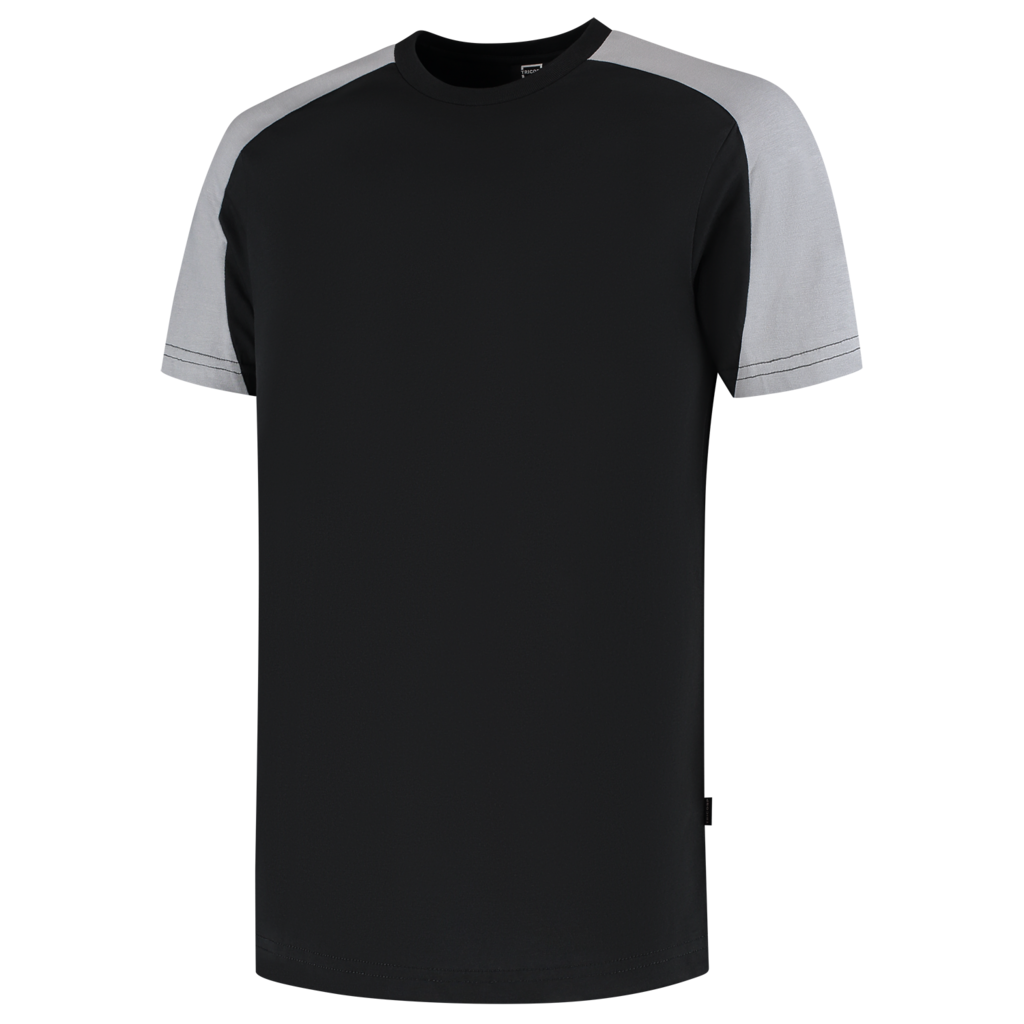
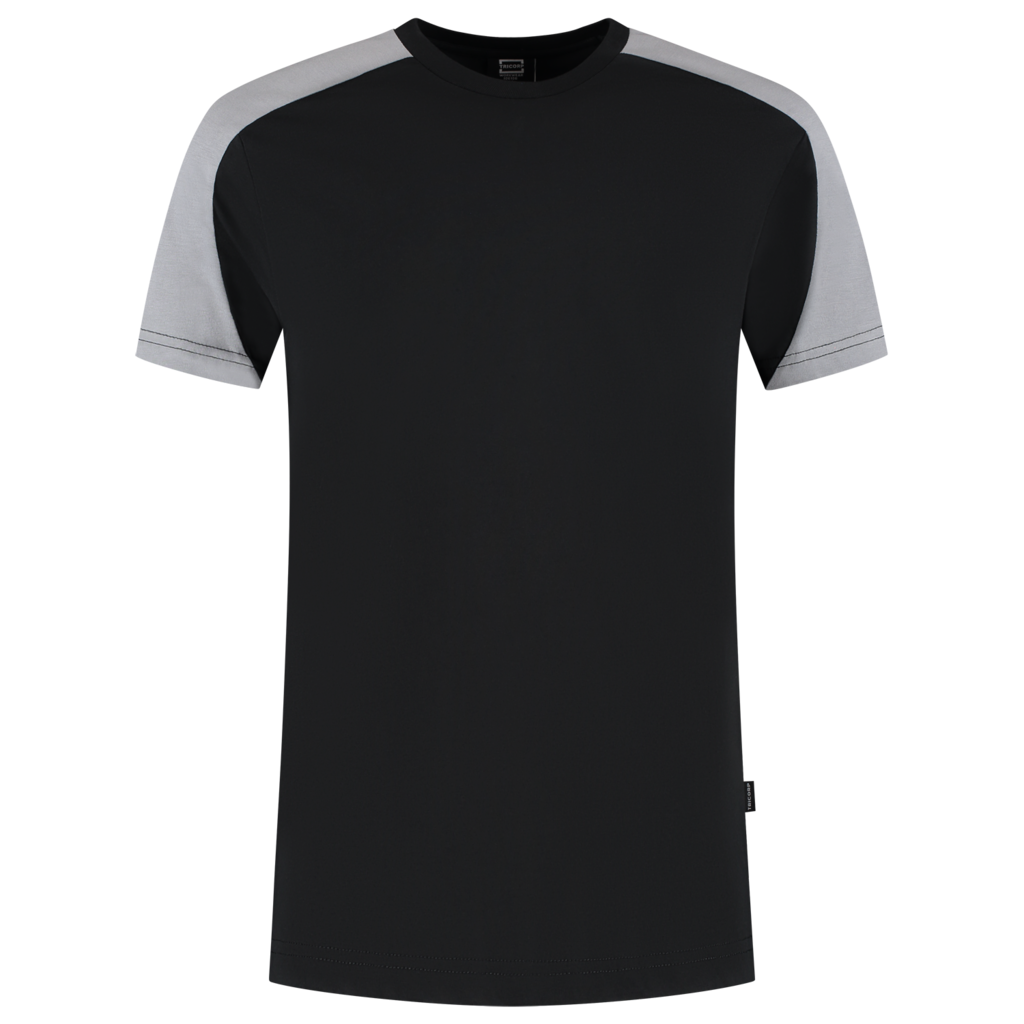
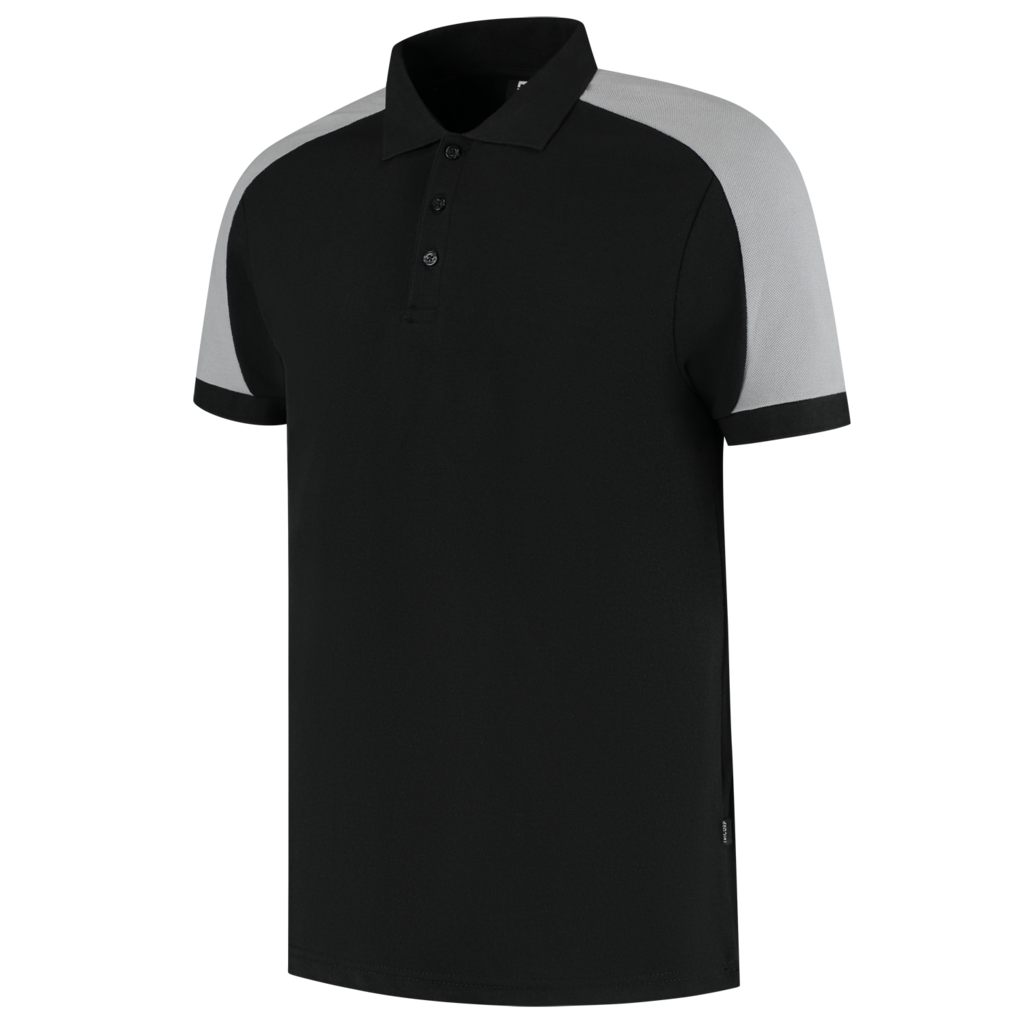
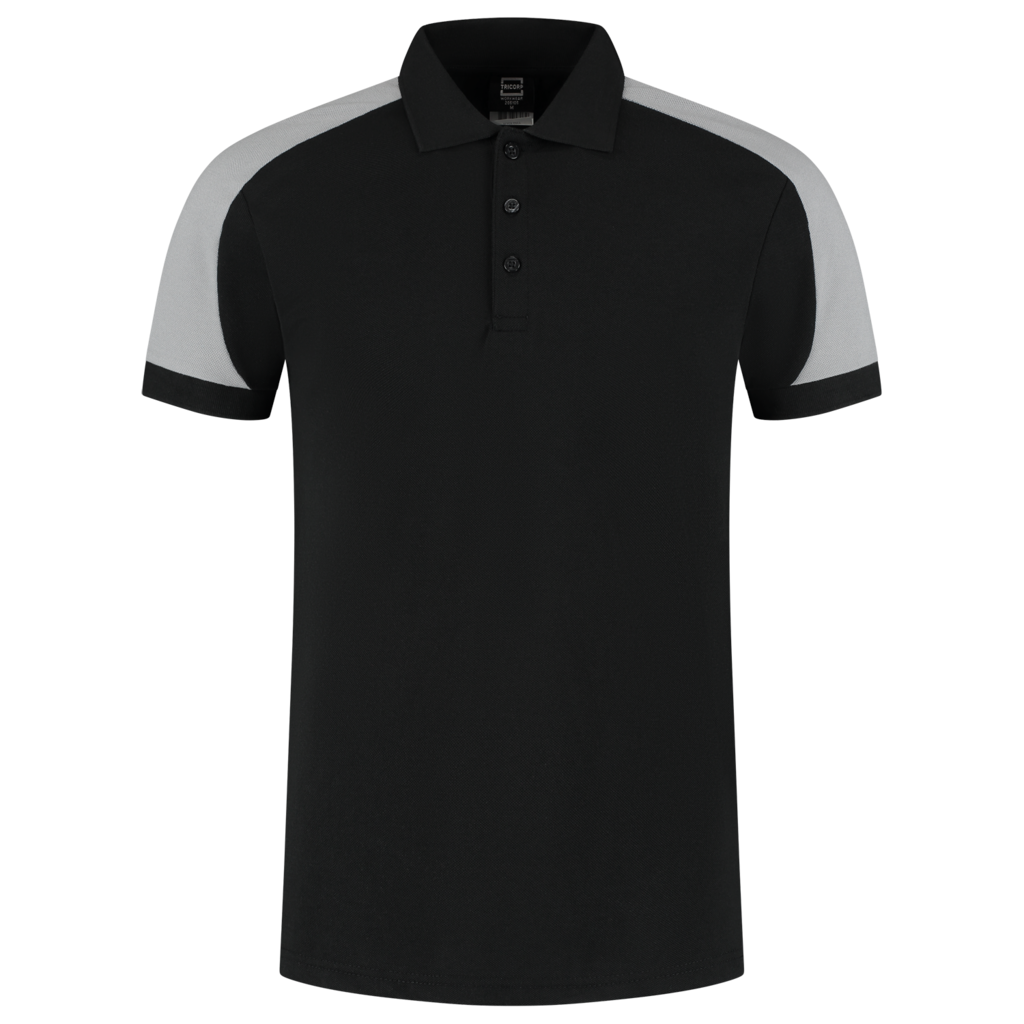
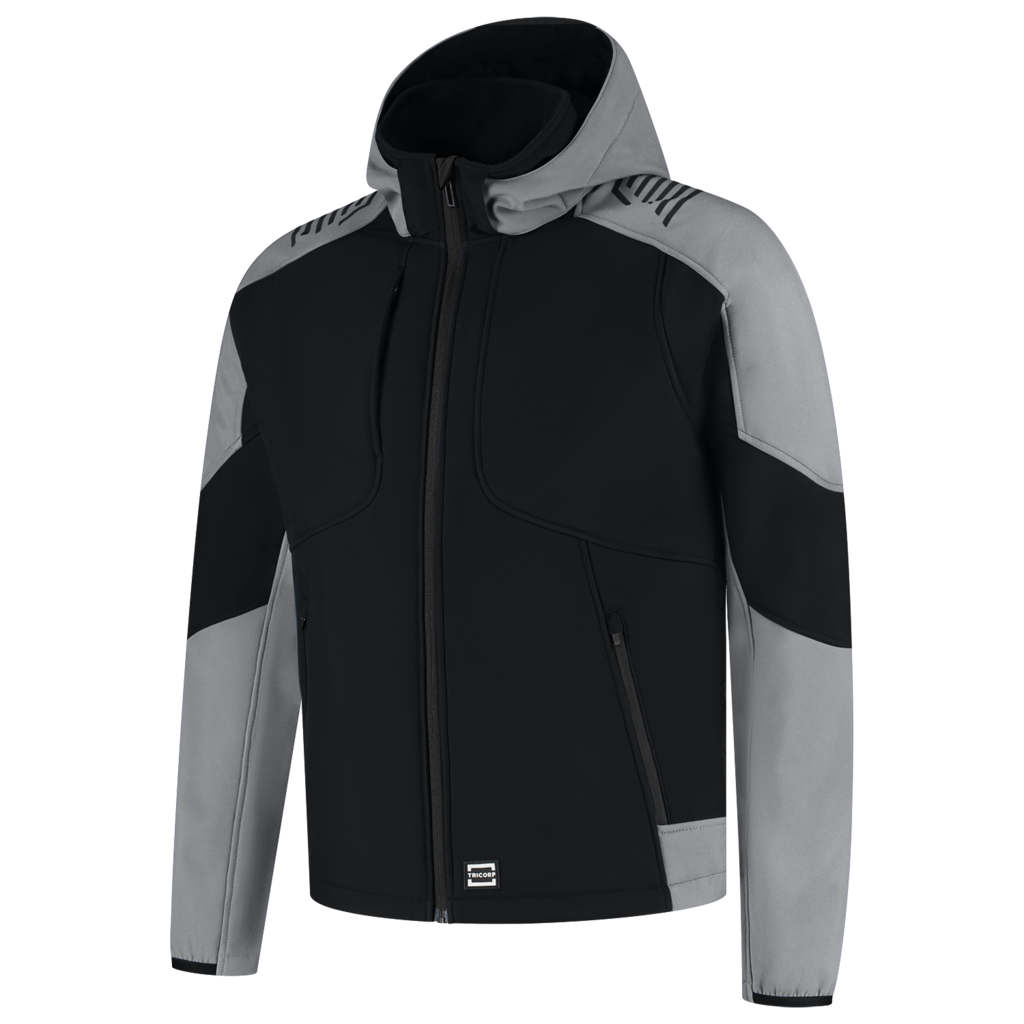
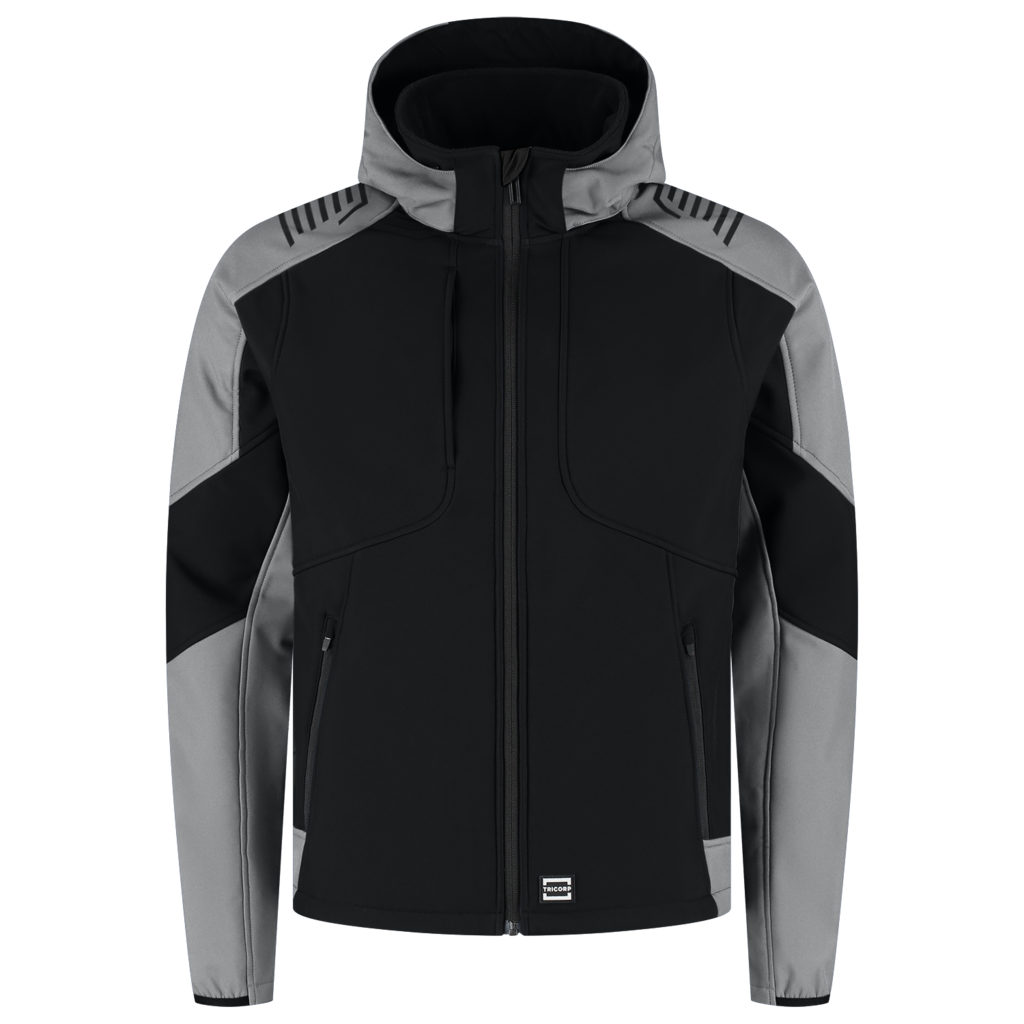
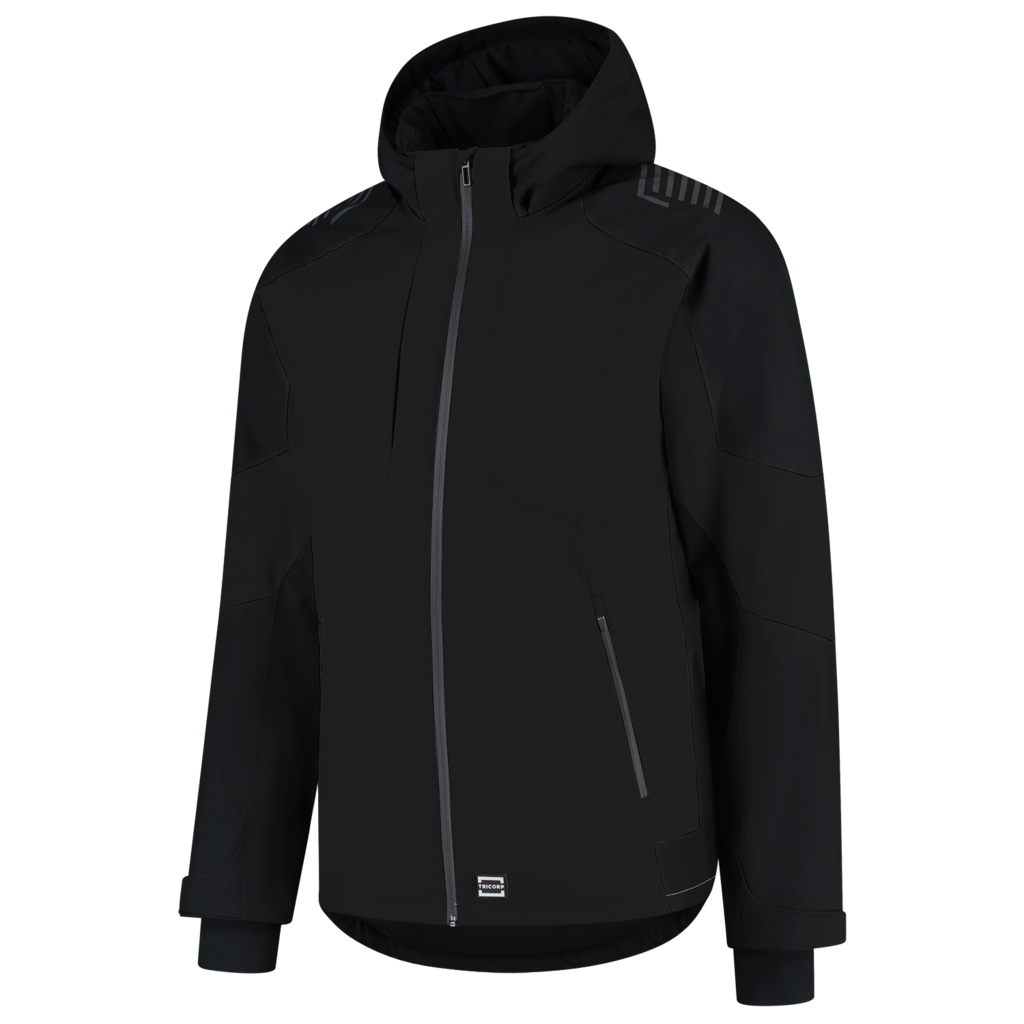
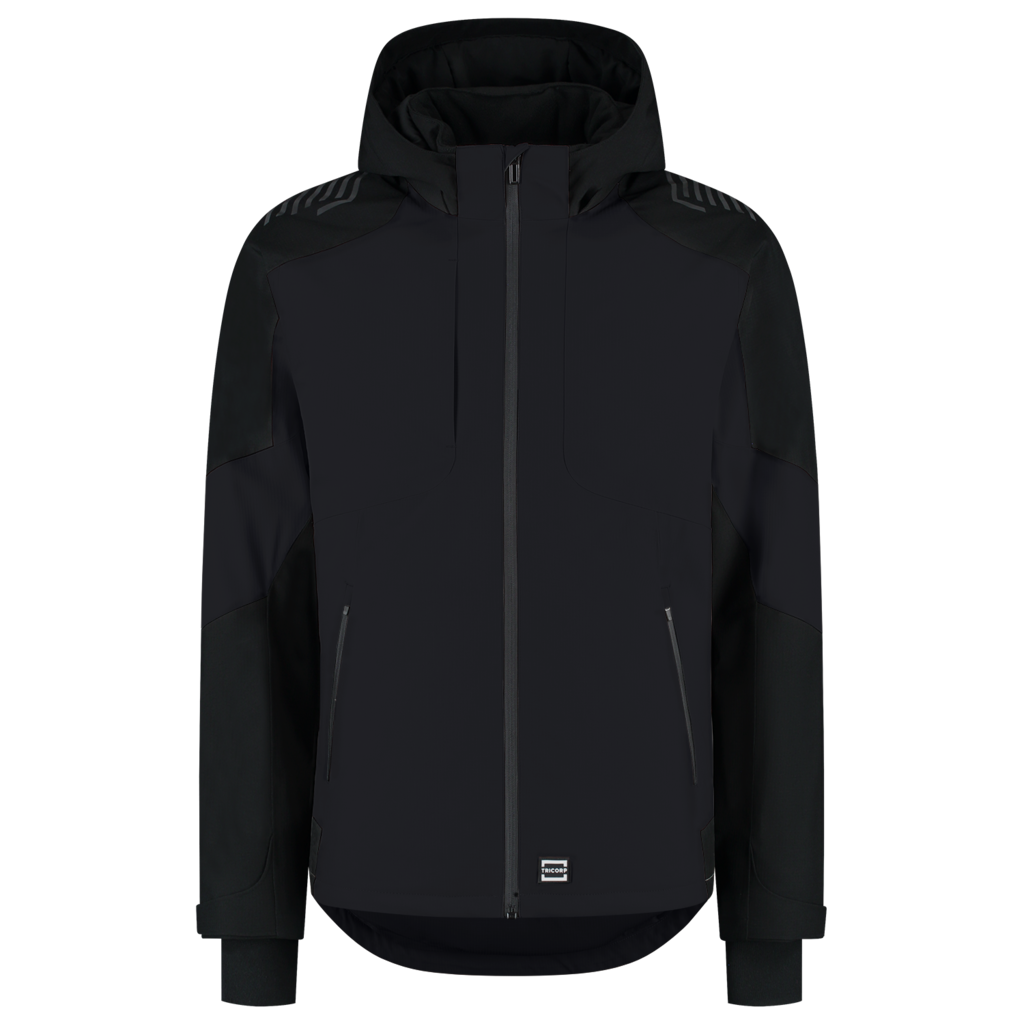
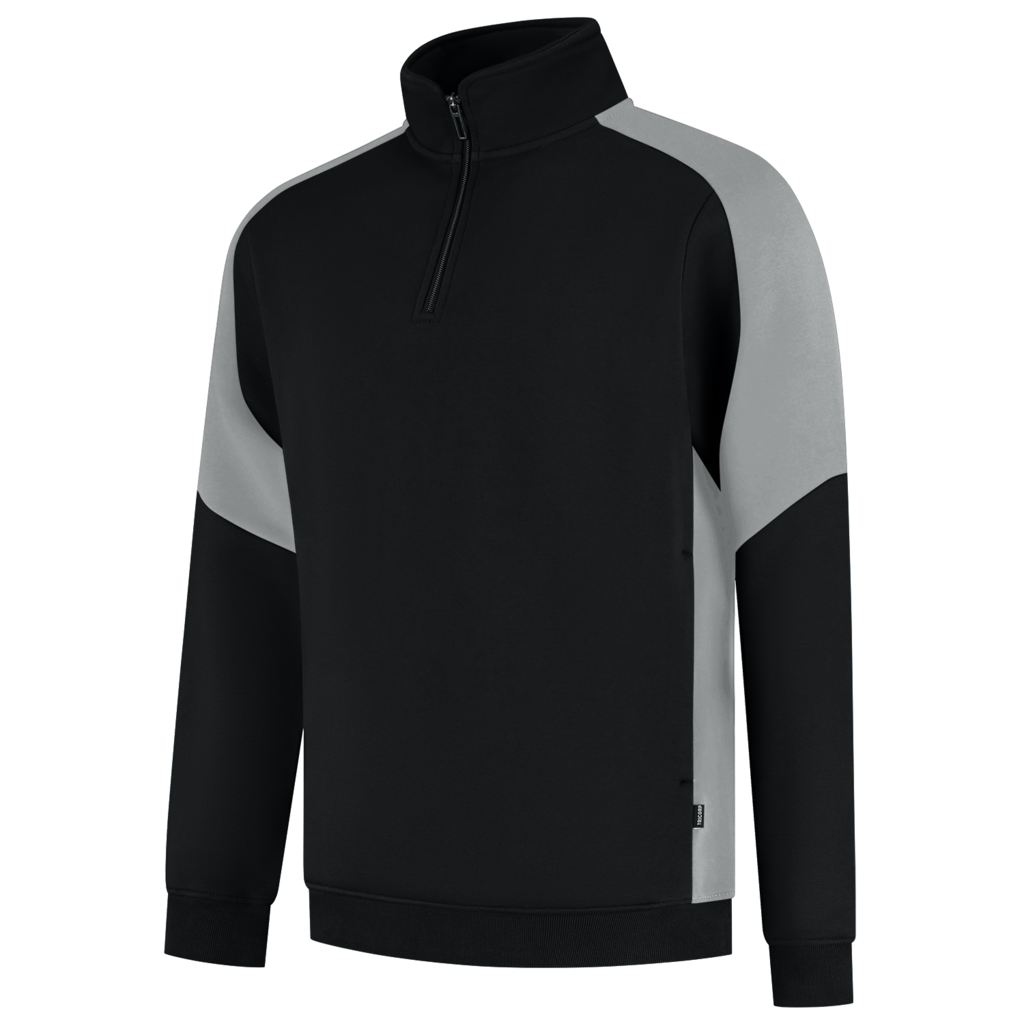
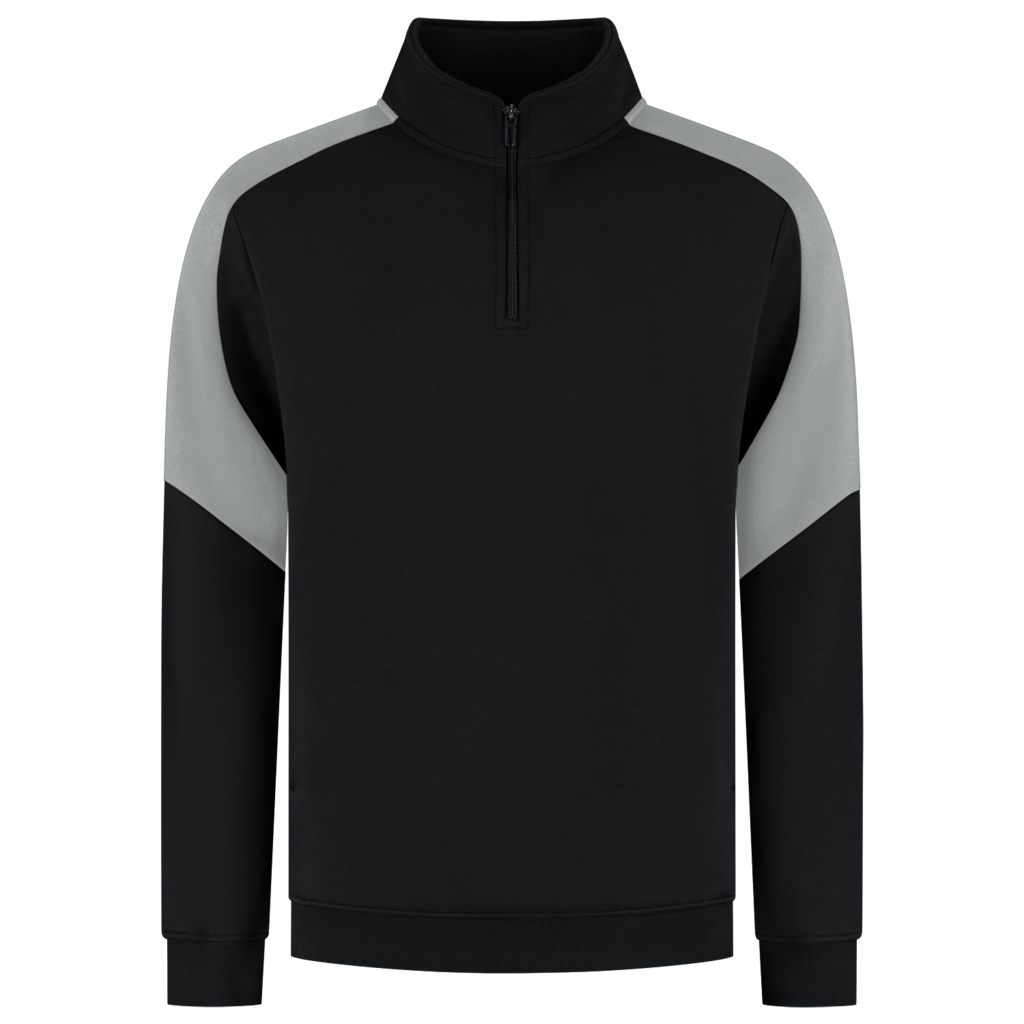
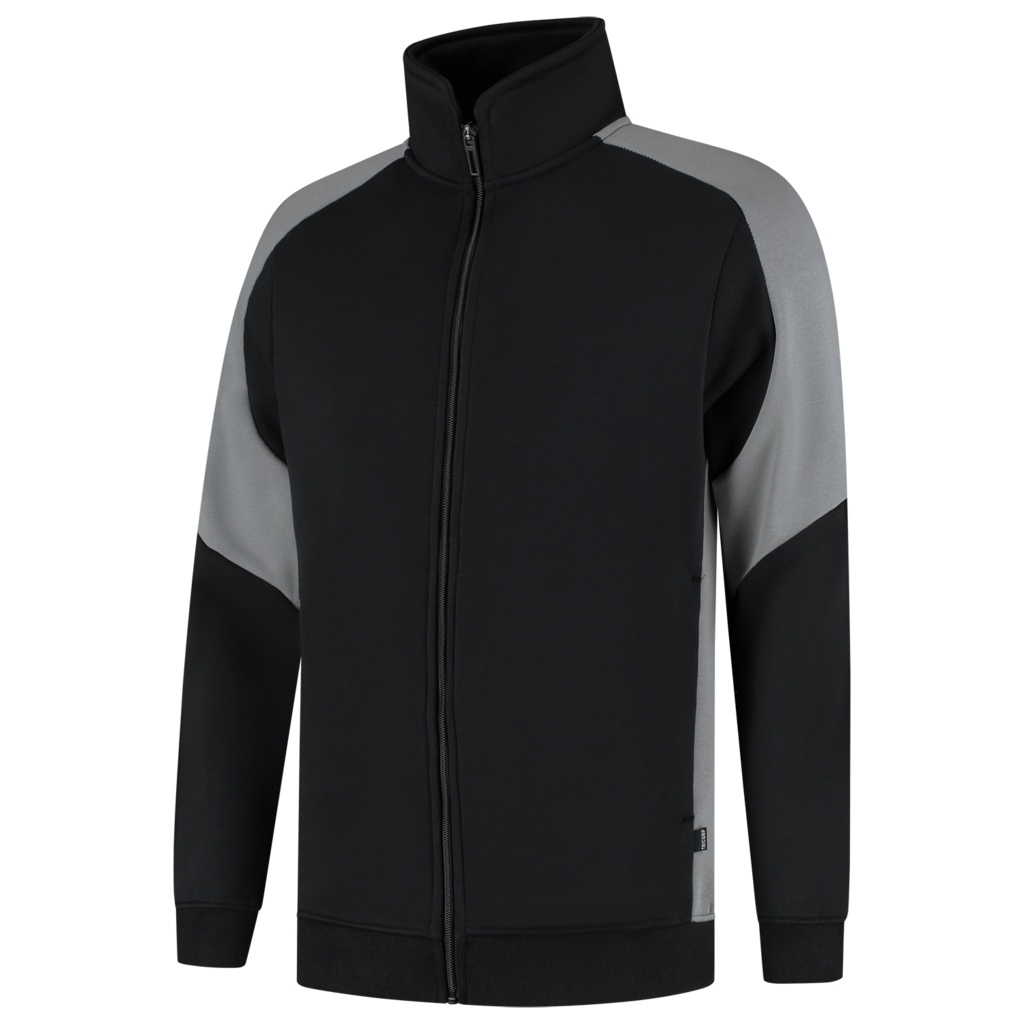
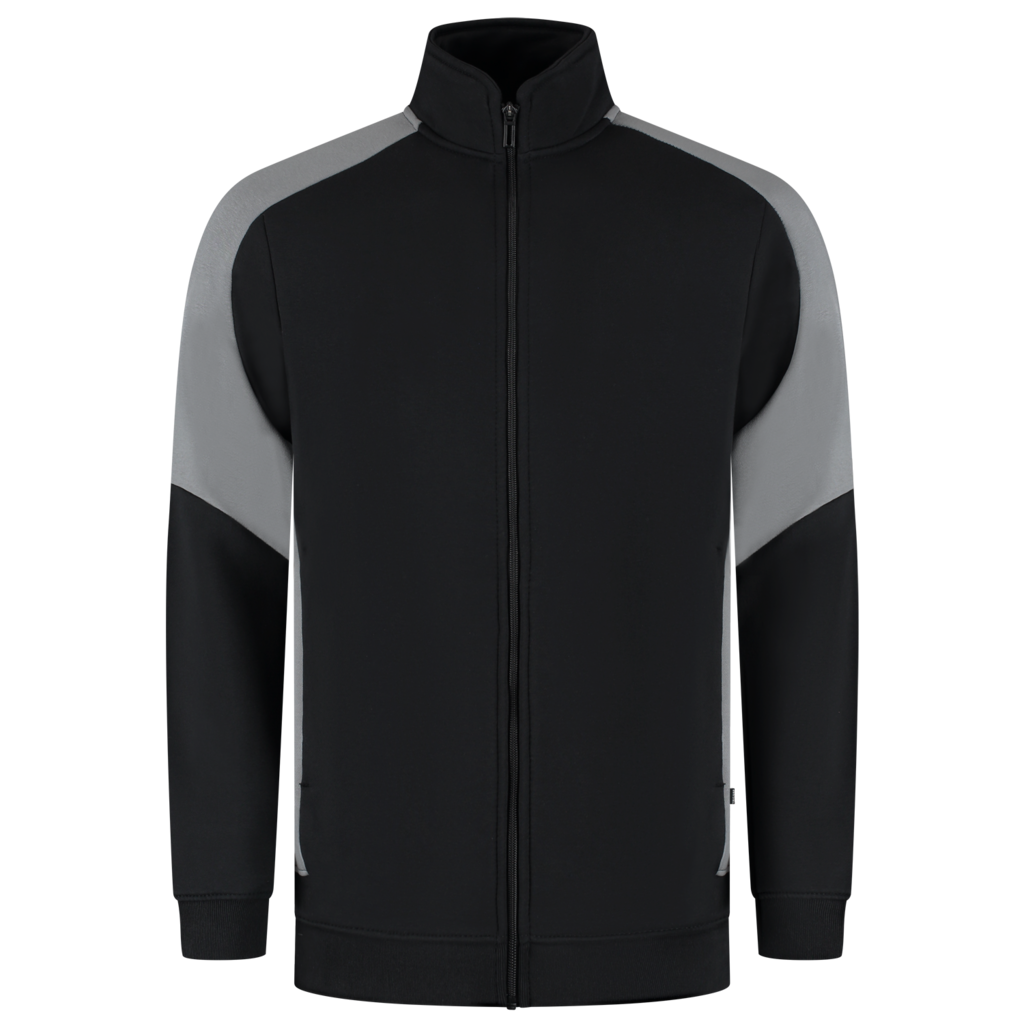
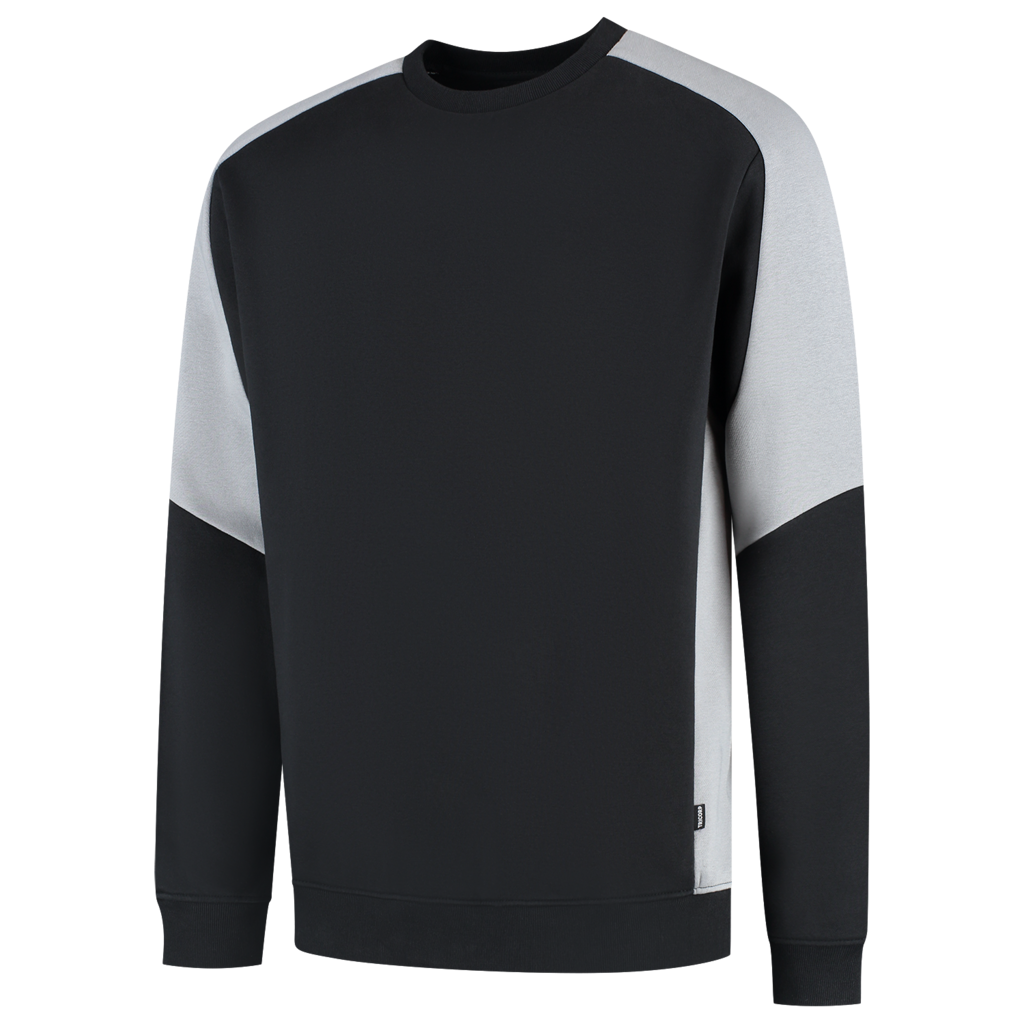
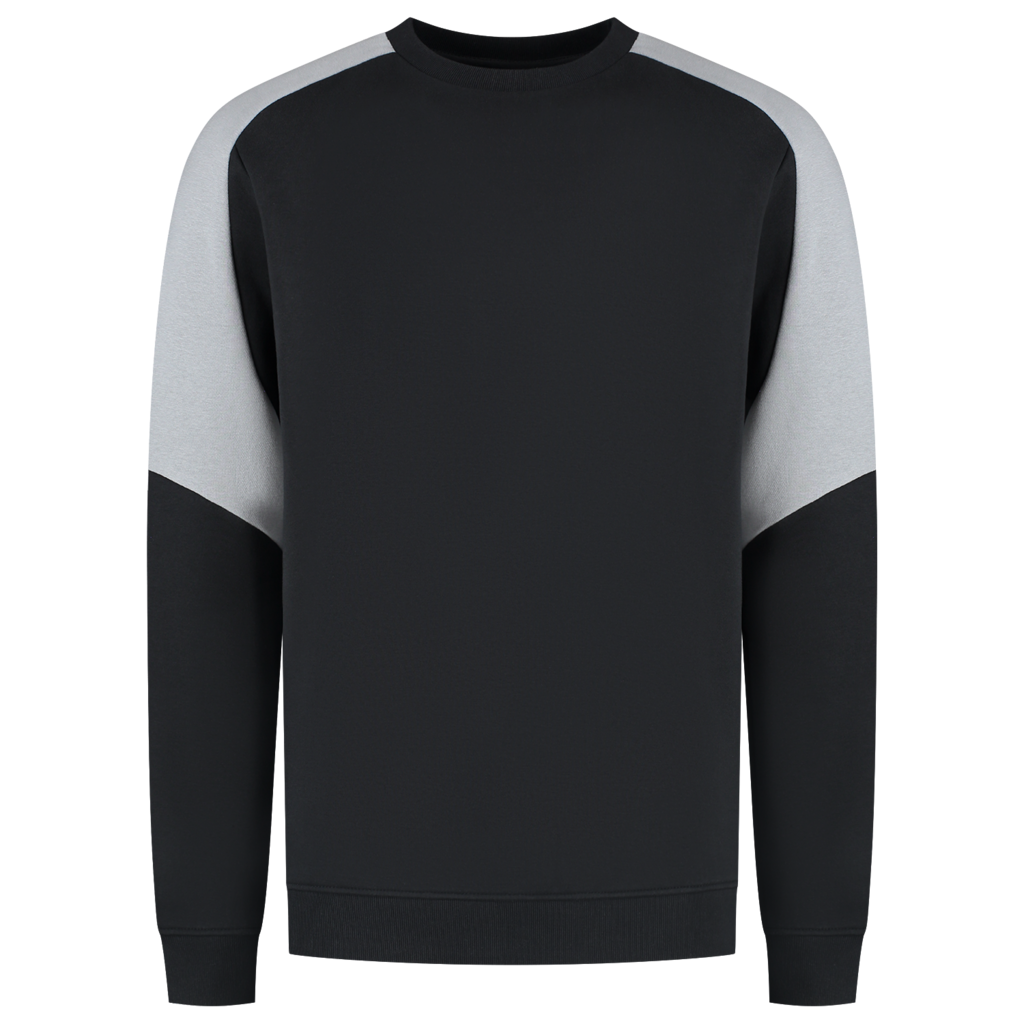
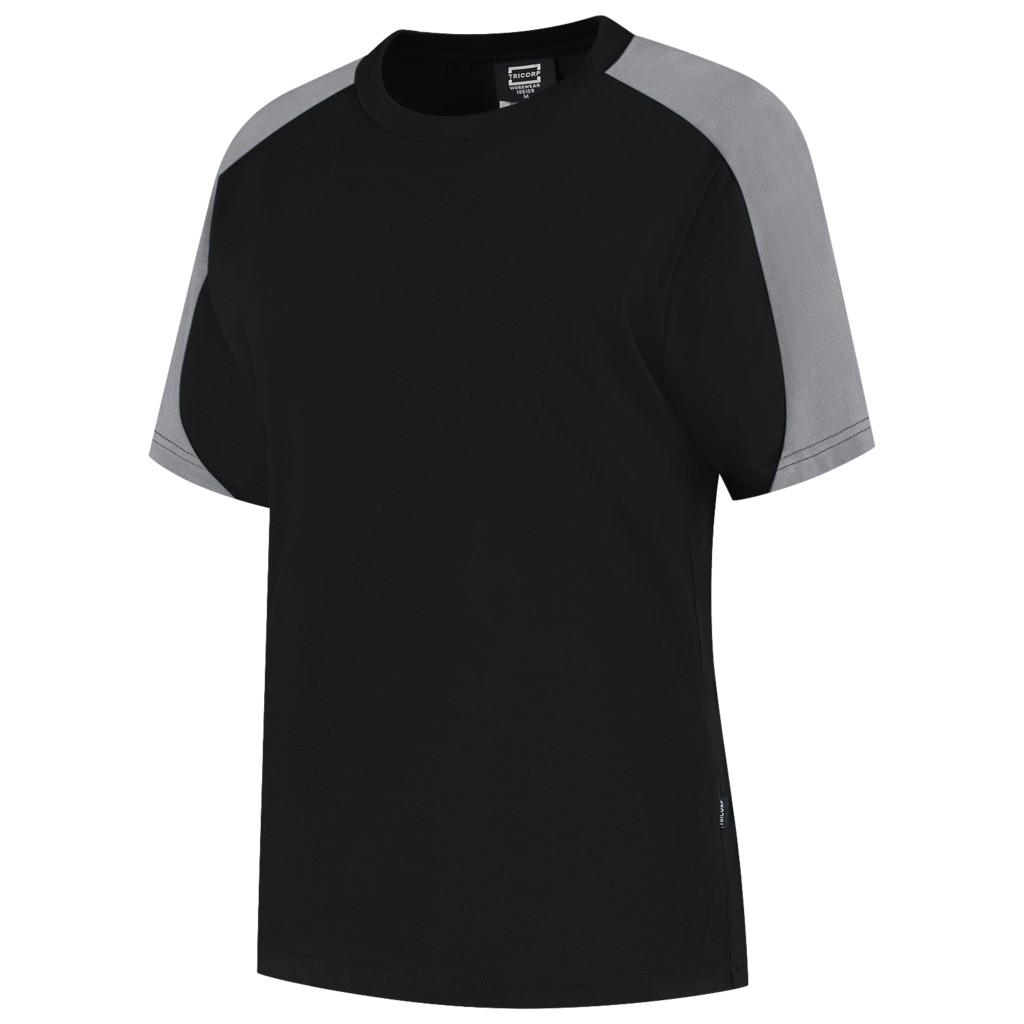
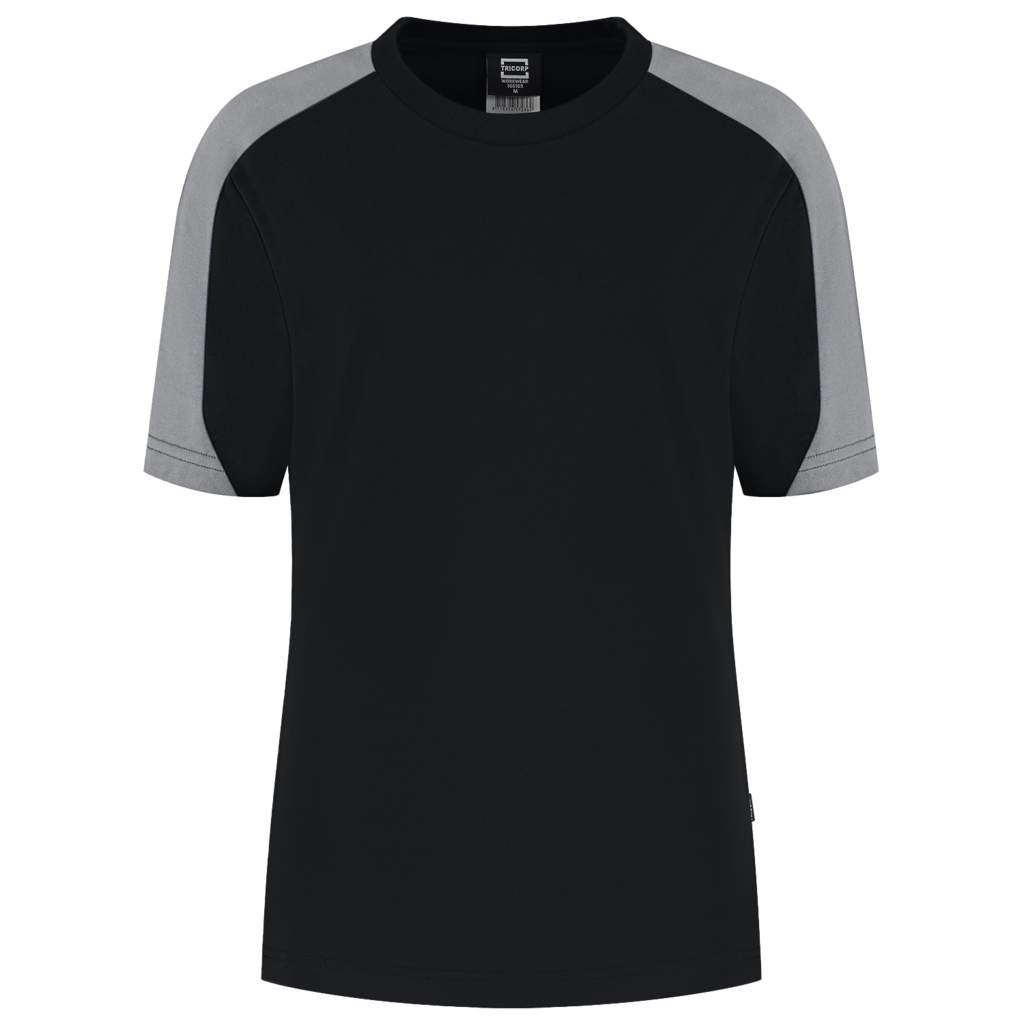
Workwear by profession at Tricorp
Tricorp has put together work clothing for a wide range of professions that meets the specific requirements of that profession. View the Tricorp's professions page for an overview of appropriate work clothing per profession. From carpenters and electricians to gardeners and taxi drivers: there is a suitable choice of clothing for every profession.