


EN 13034-6: Protection against liquid chemicals

Do you work with liquid chemicals and are your employees at risk of coming into contact with them? Then you are probably looking for work clothes which complies with the EN 13034-6 standard. This standard offers limited protection against (splashing) liquid chemicals. The garments are suitable for work environments where there is a risk of splashing liquid chemicals, but a complete chemical barrier is not required.
Which chemicals does EN-13034-6 cover?
Within the EN 13034-6 standard, the fabric of the clothing is required to be tested for protection against splashes of four liquid chemicals. The garment must provide at least one of these chemicals:
- Sulfuric acid (dissolved in water at a concentration of 30%)
- Caustic soda (dissolved in water at a concentration of 20%)
- O-xylene (undiluted)
- Butanol (undiluted)
These are fairly common chemicals that are often used in practice. In general, work clothing with the EN 13034-6 standard provides sufficient protection against all acids and alkalis (also called bases) that are dissolved in water.
The temperature of the chemicals when tested is 20 ºC, with a margin of 2 ºC. The test determines two properties:
1) how much chemical liquid is repelled by the substance
2) what percentage of the liquid the substance passes through within one minute.
The table below shows the criteria for the repellency and permeability of the fabric.
|
Class |
Repellent power |
|
1 |
> 80% |
|
2 |
> 90% |
|
3 |
> 95% |
|
Class |
Permeability |
|
1 |
< 10% |
|
2 |
< 5% |
|
3 |
< 1% |
In addition to the chemical test, a number of other tests are mandatory that apply to the EN 13034 standard, but are described in the EN 14325 standard. This standard describes in detail the test methods for the materials and seams of protective clothing against liquid chemicals. It is tested for abrasion resistance, tensile strength, tear resistance and puncture resistance. At least the lowest performance level must be achieved.
Limitations of the EN 13034-6 standard
You may work with chemicals other than those tested for. That is why we advise customers in the chemical industry to always determine which specific chemicals their employees come into contact with. An additional test can then be done if necessary.
Multinorm clothing from Tricorp with the EN 13034-6 standard
Our work clothing that complies with the EN 13034-6 standard is part of our wide range of multi-standard clothing, so we offer the following products:
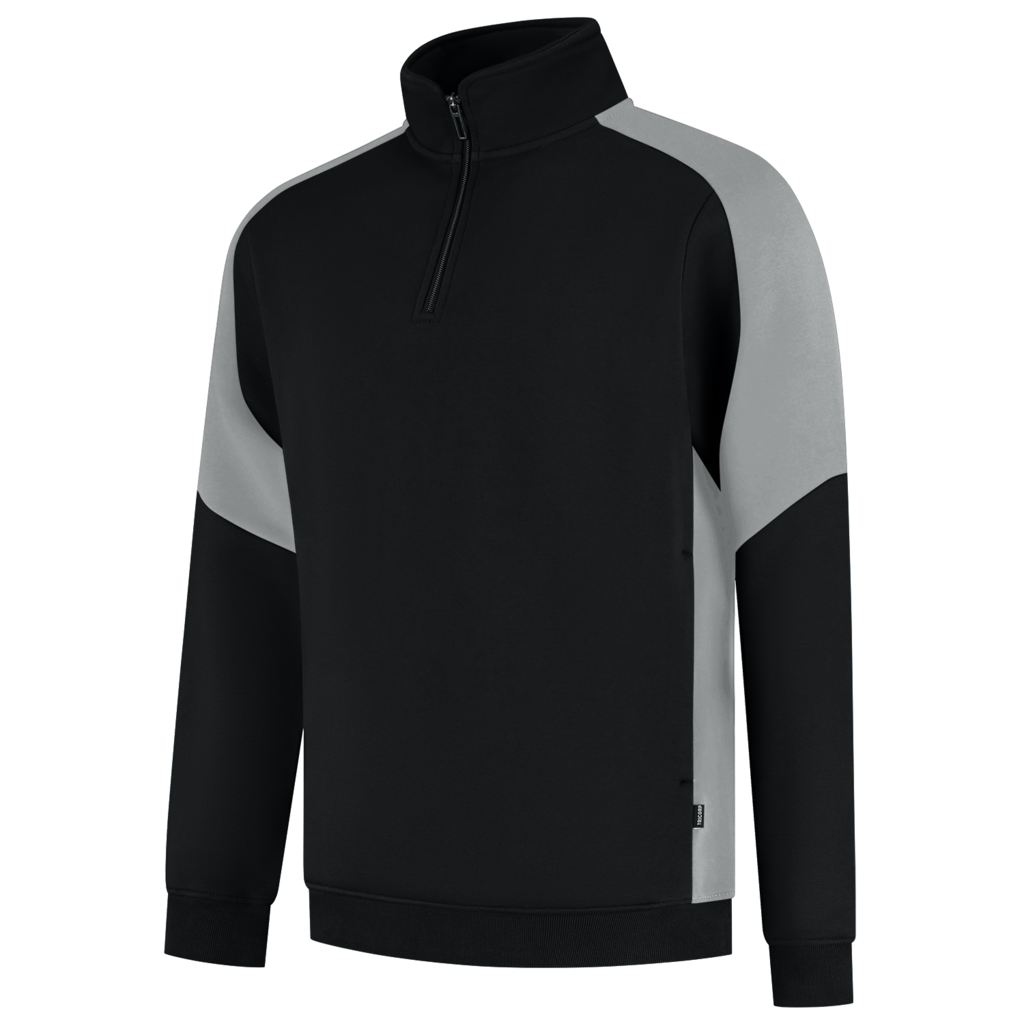
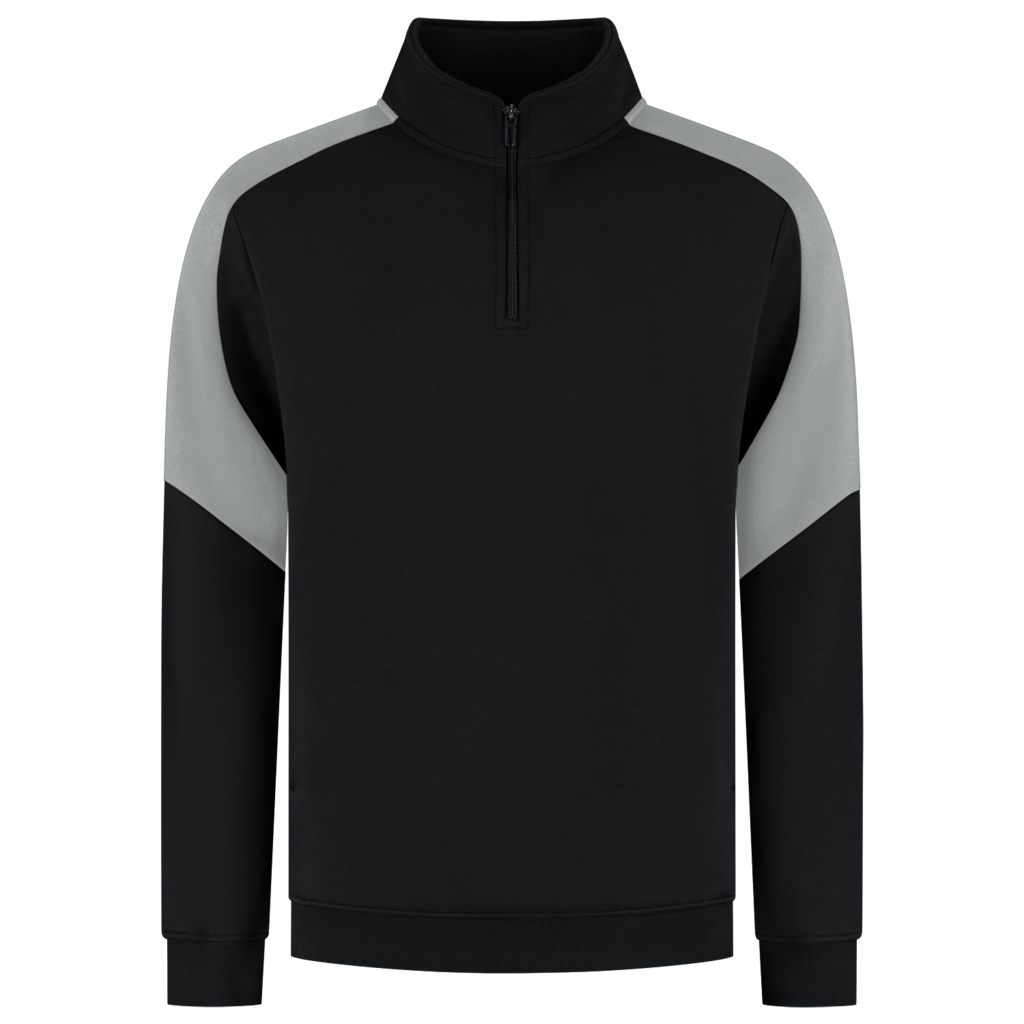
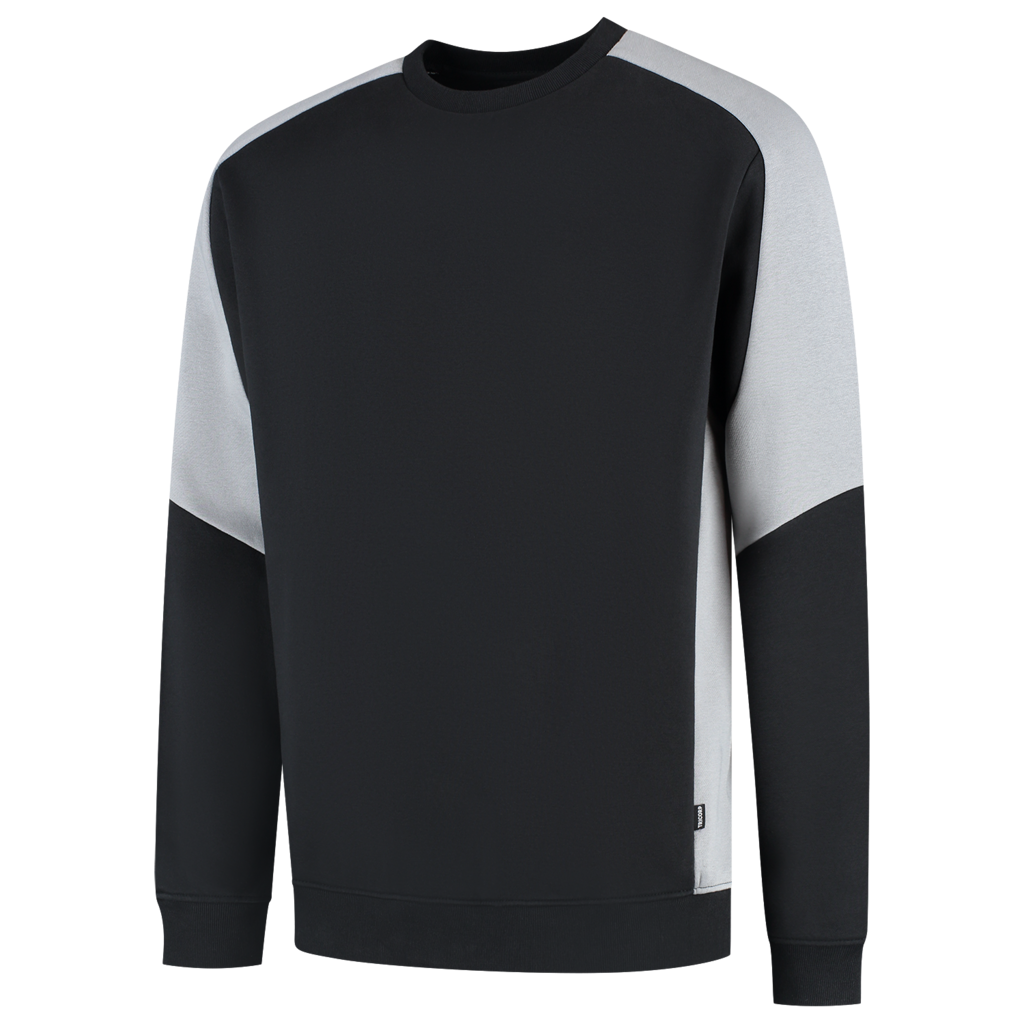
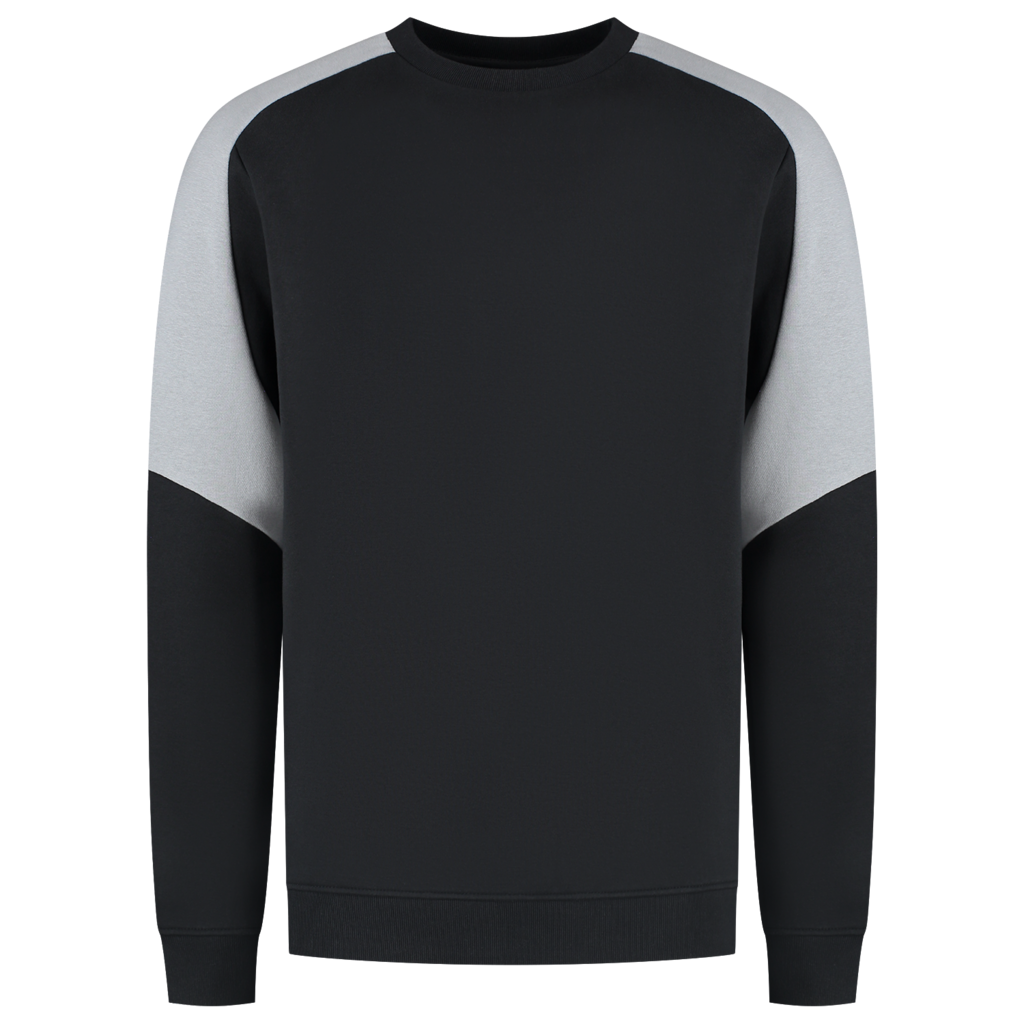
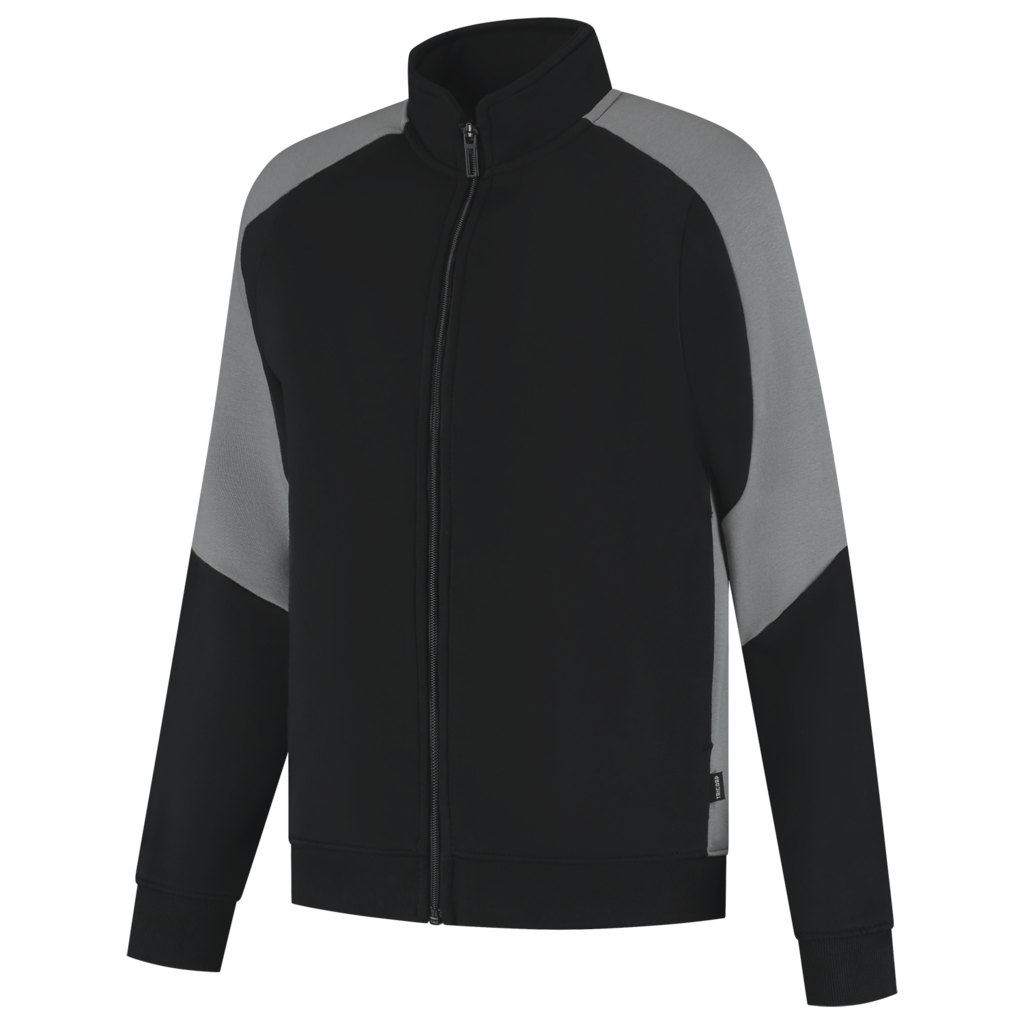
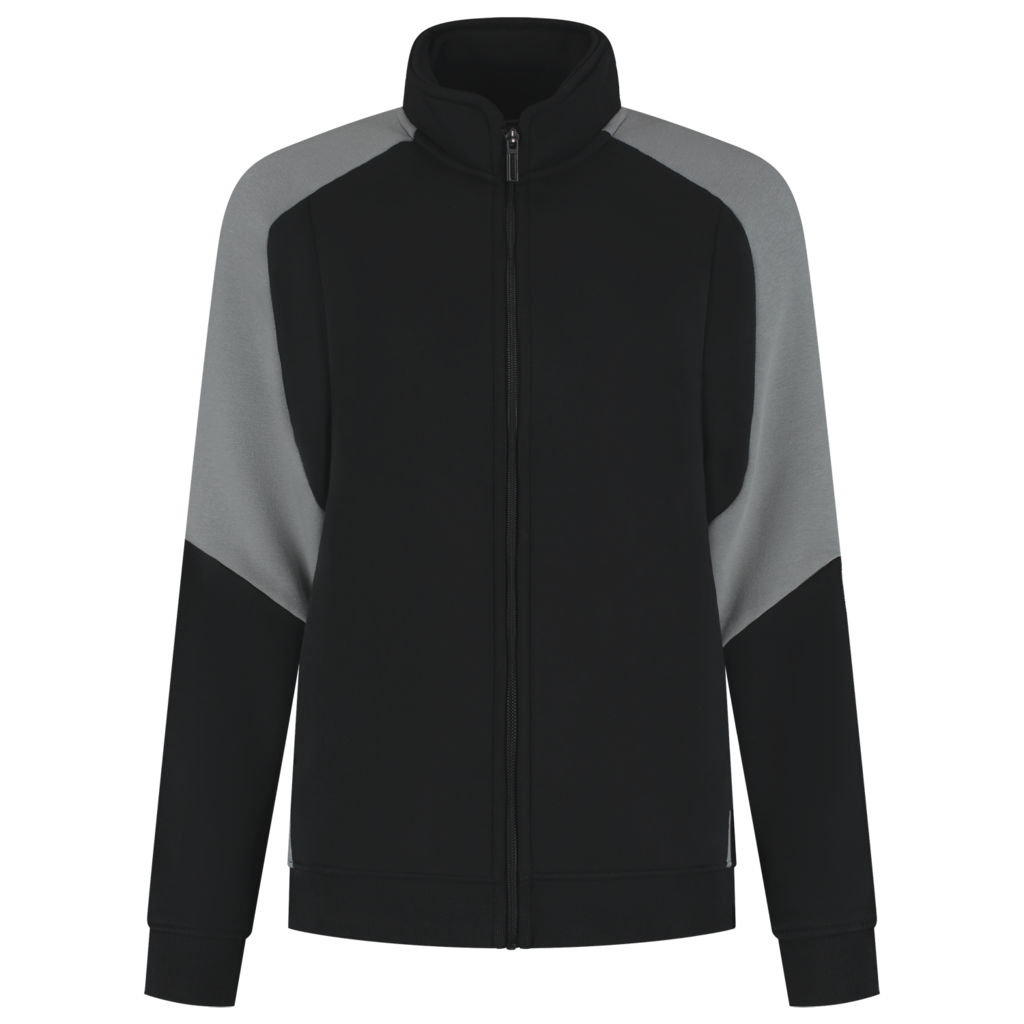
- Work sweater Multinorm
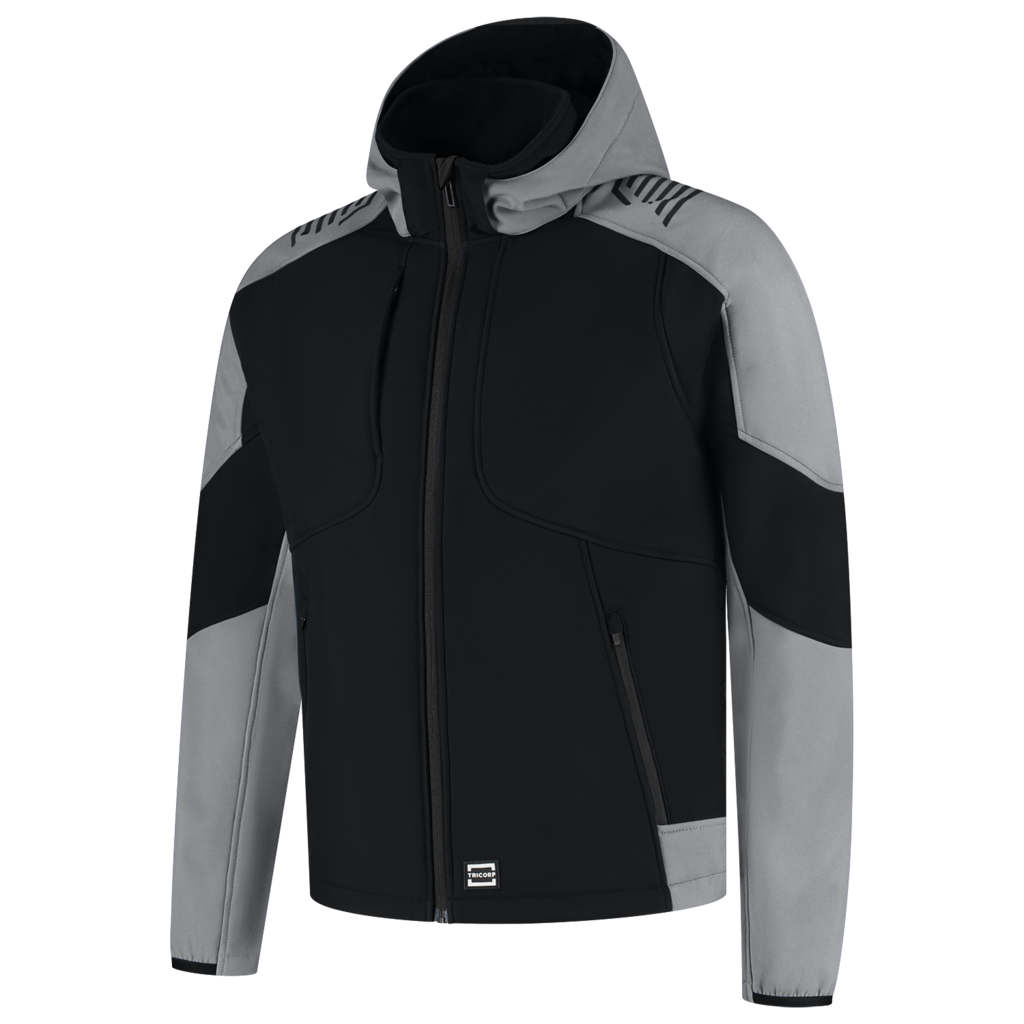
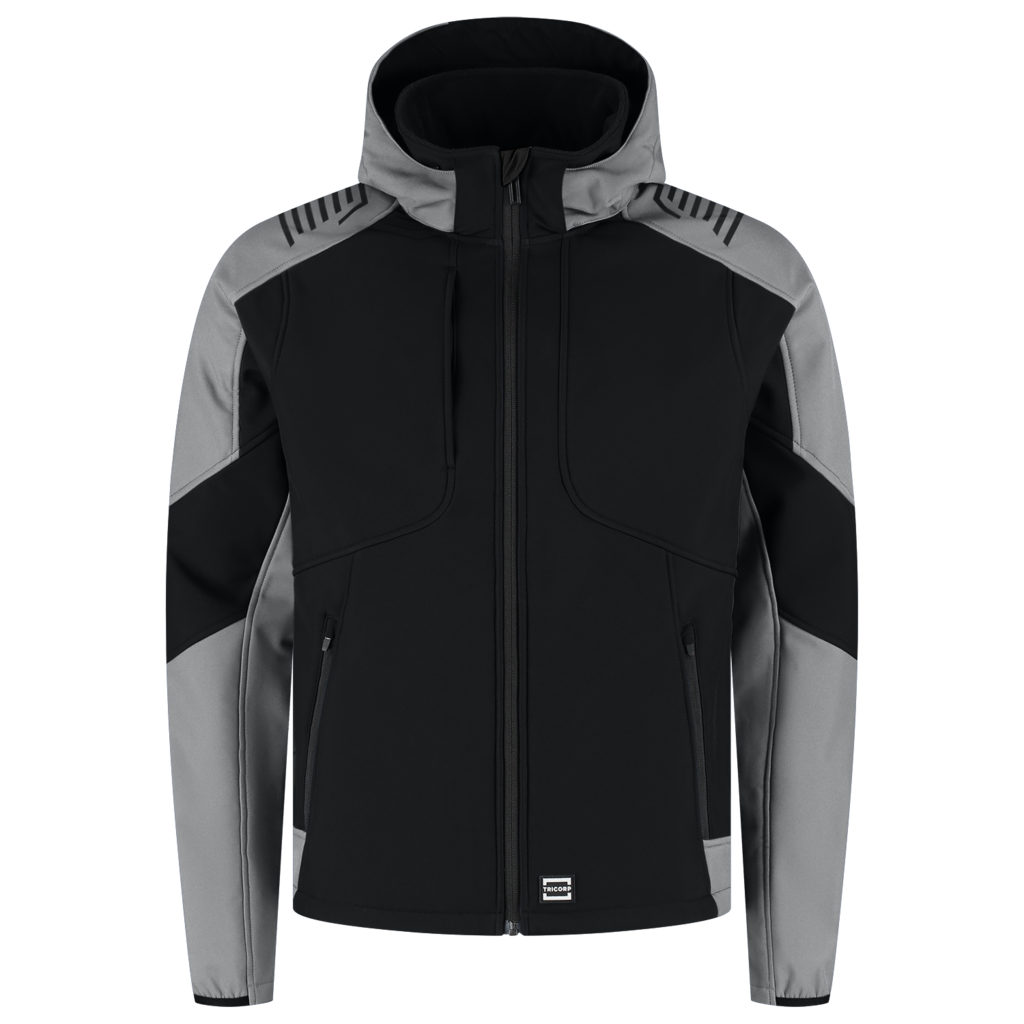
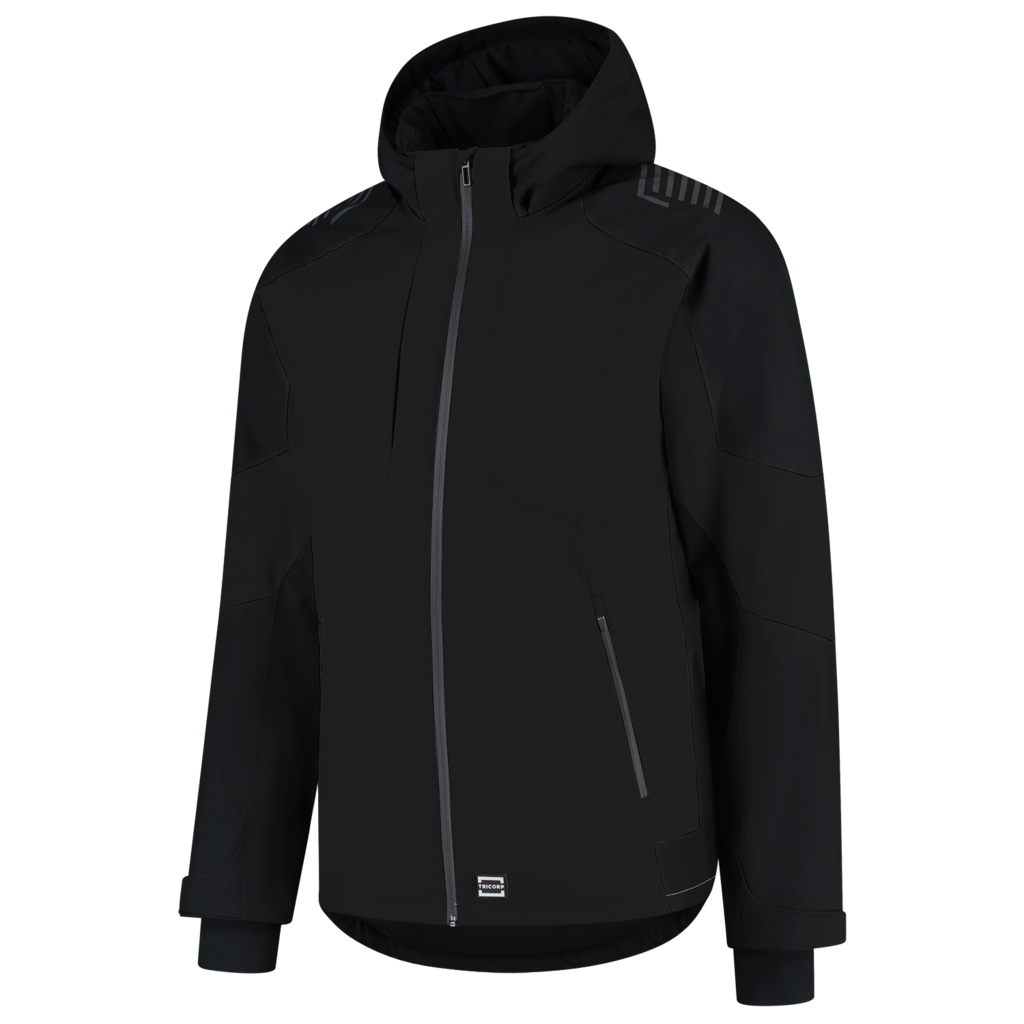
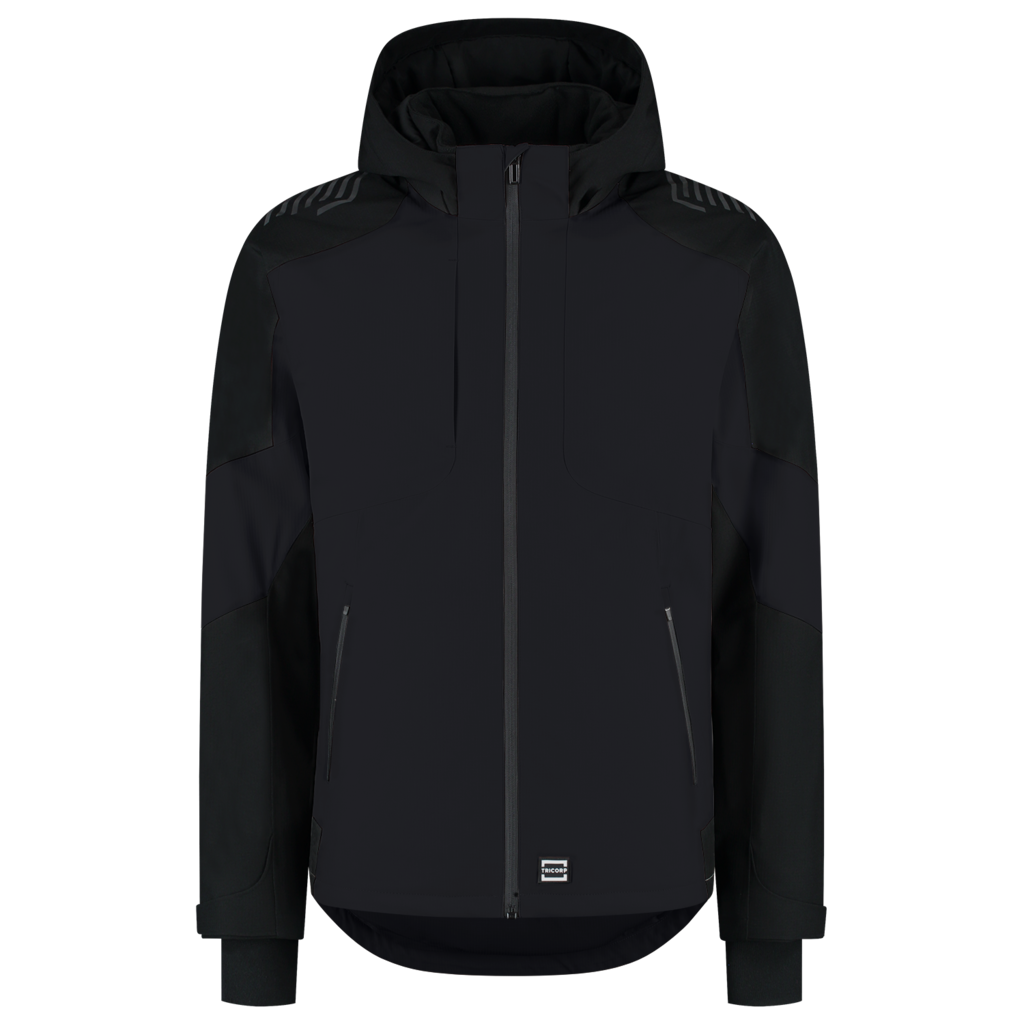
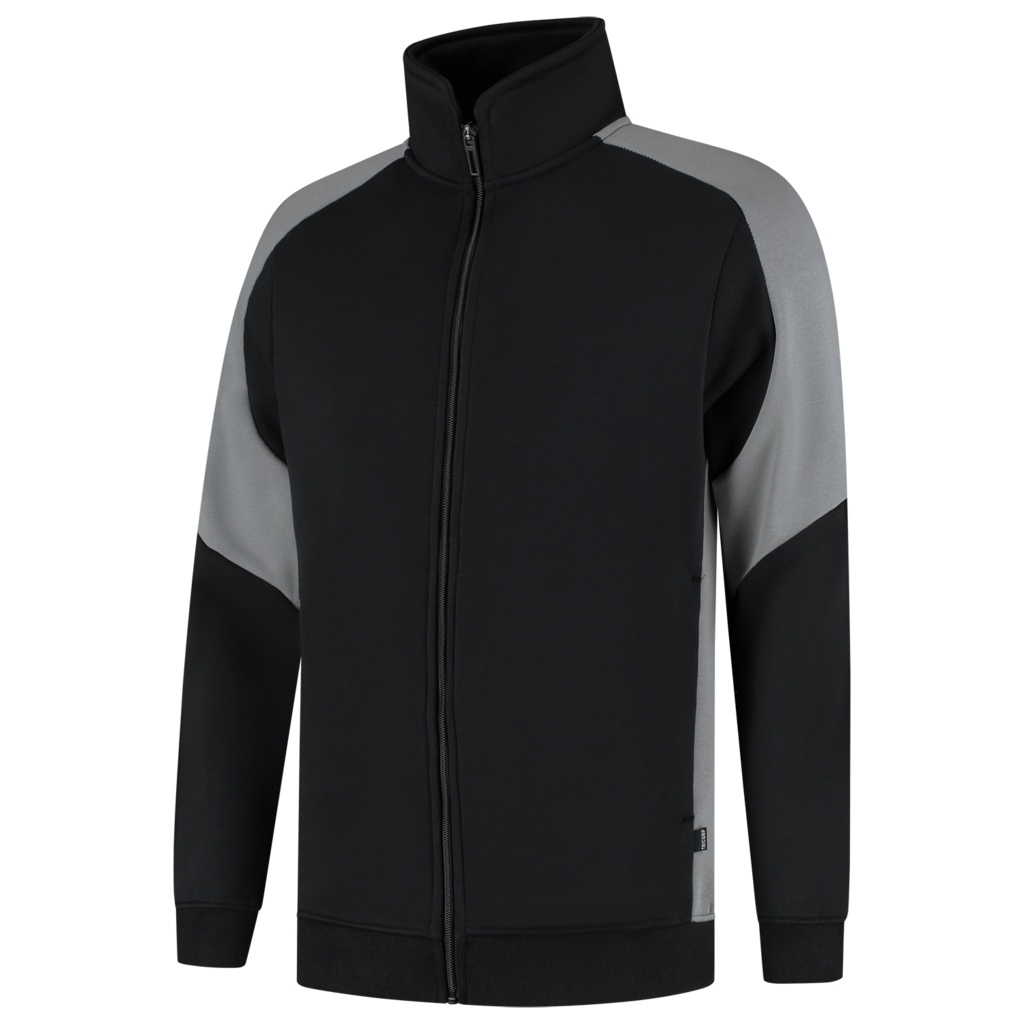
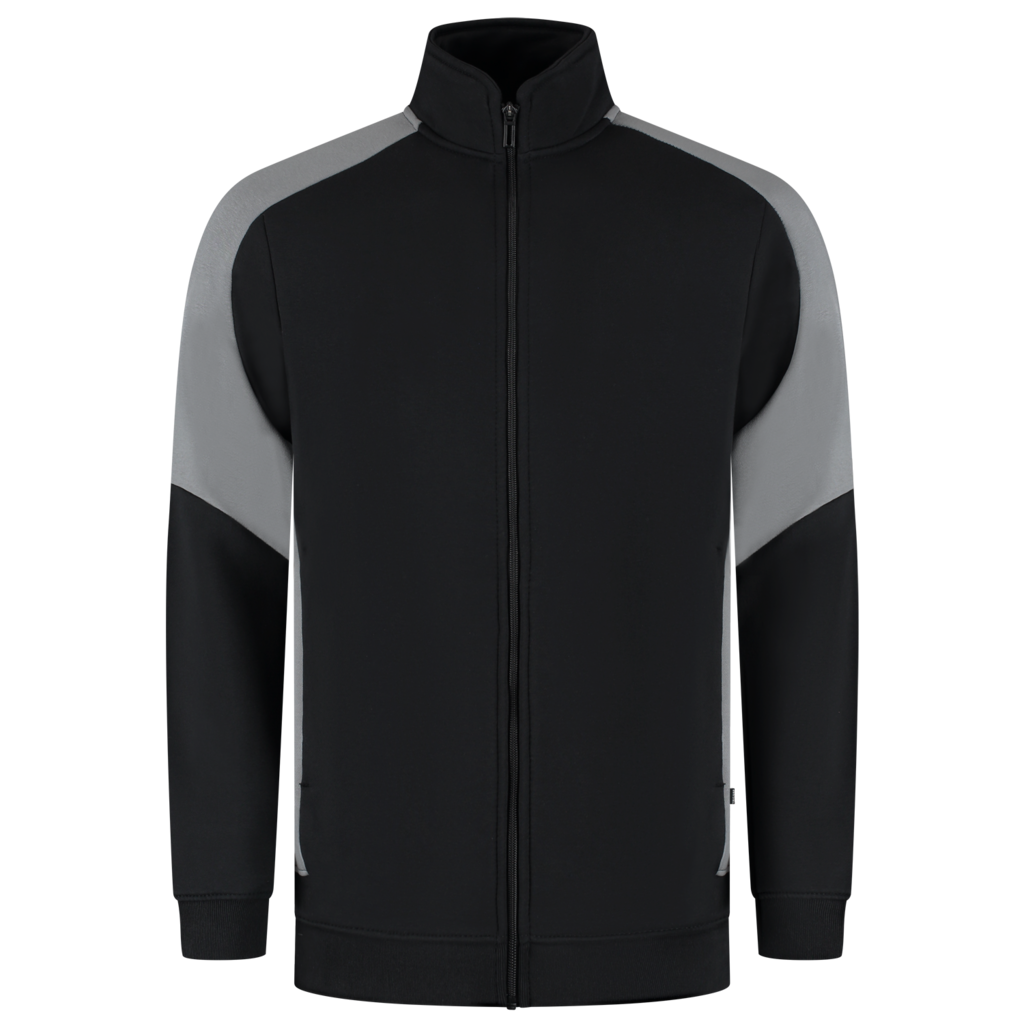
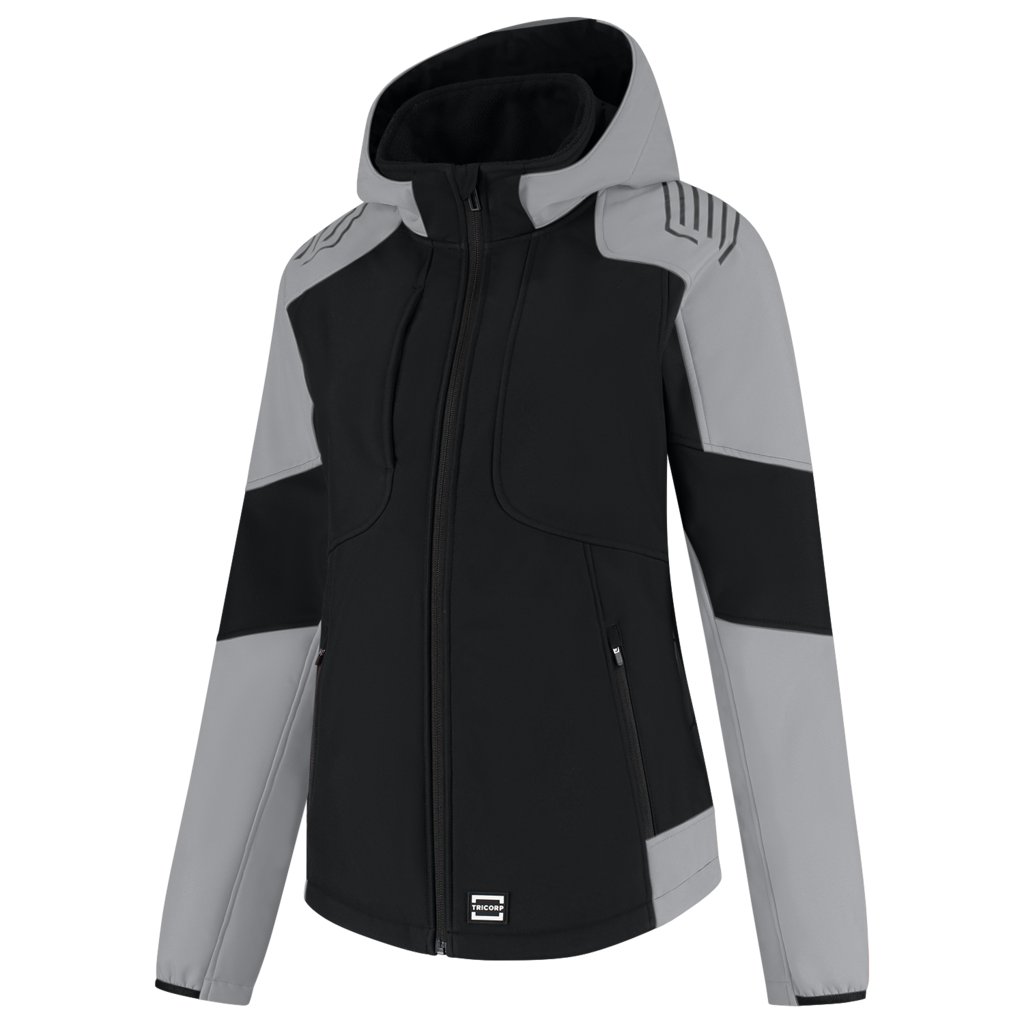
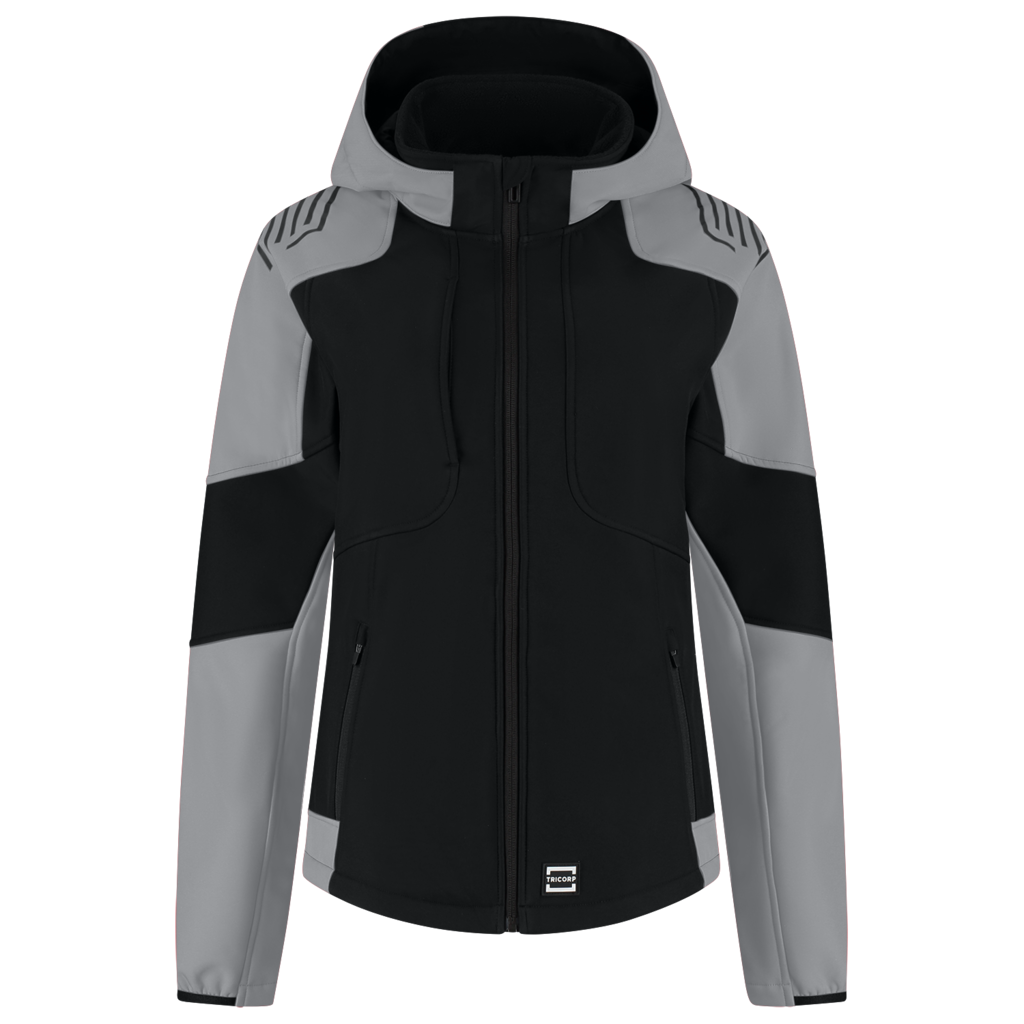
- Multinorm work jacket
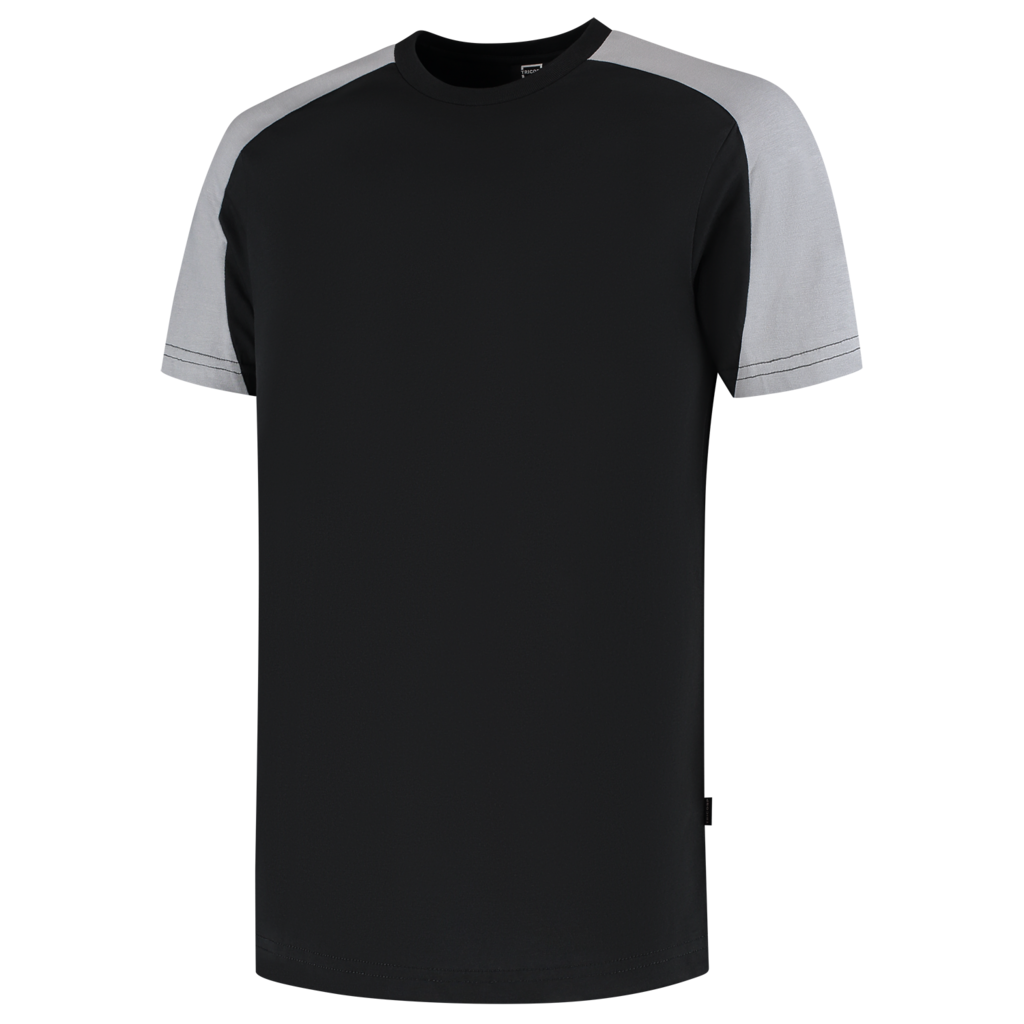
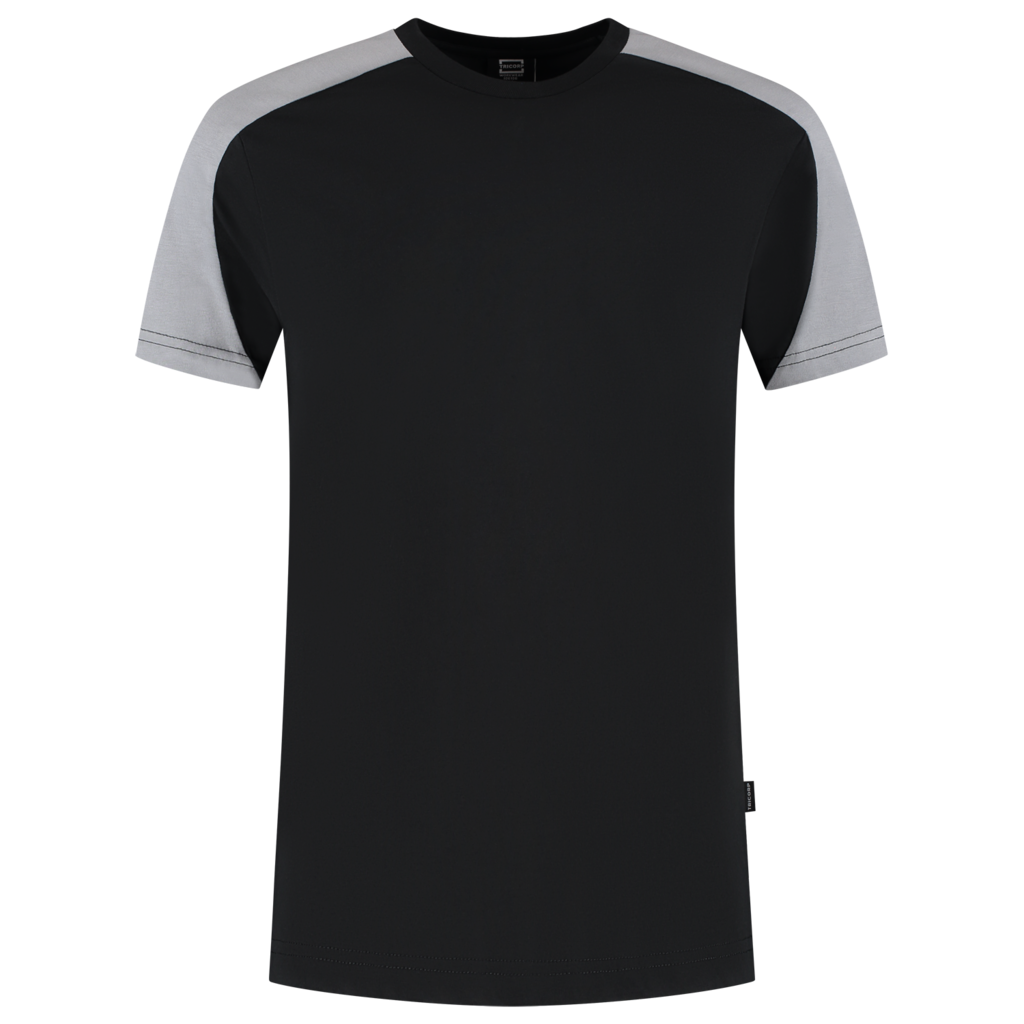
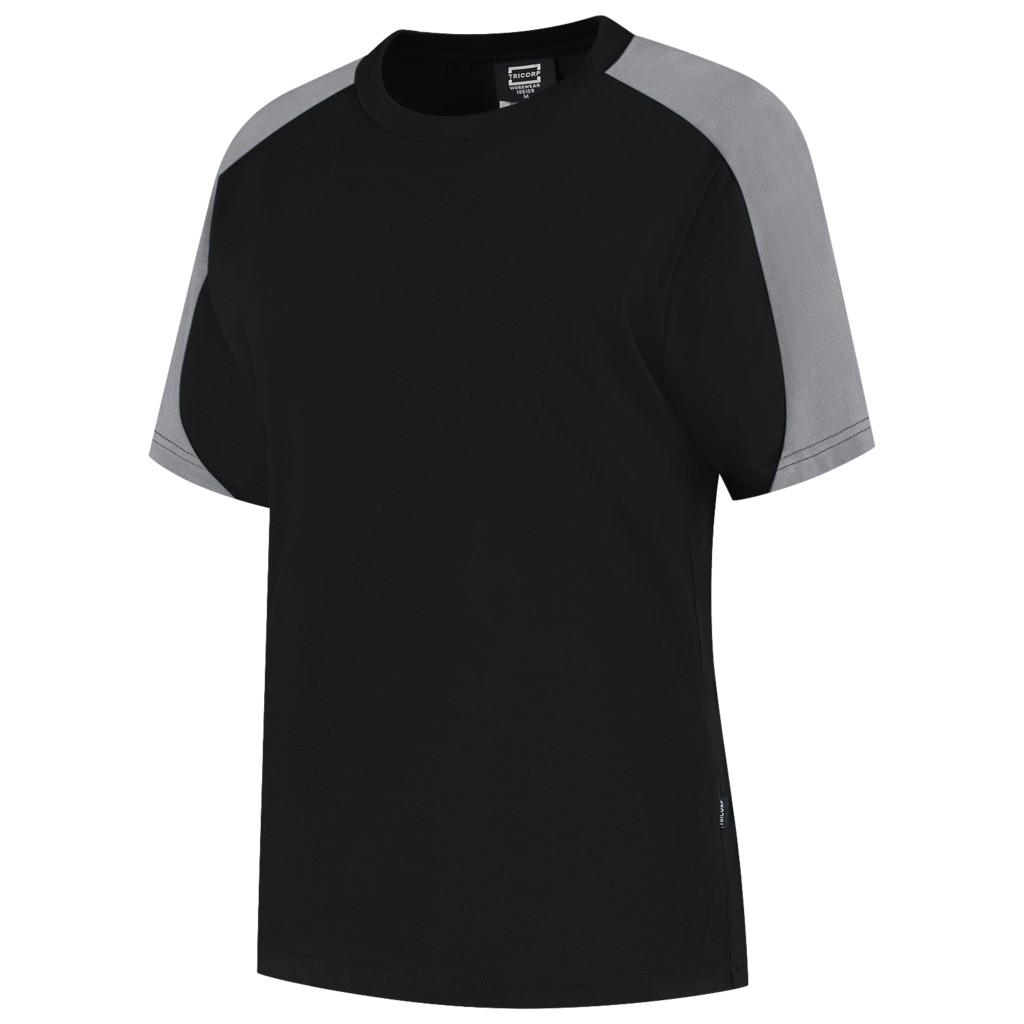
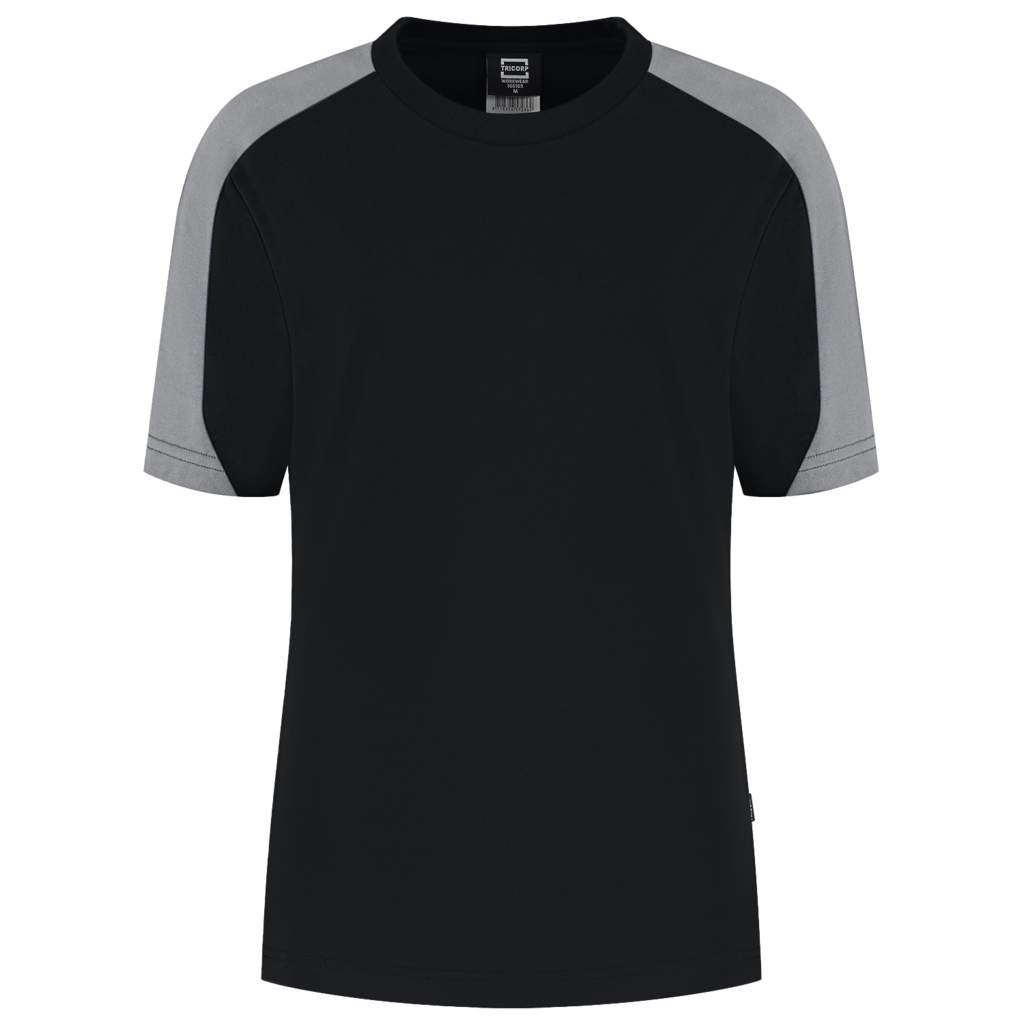
- T-shirt Multinorm
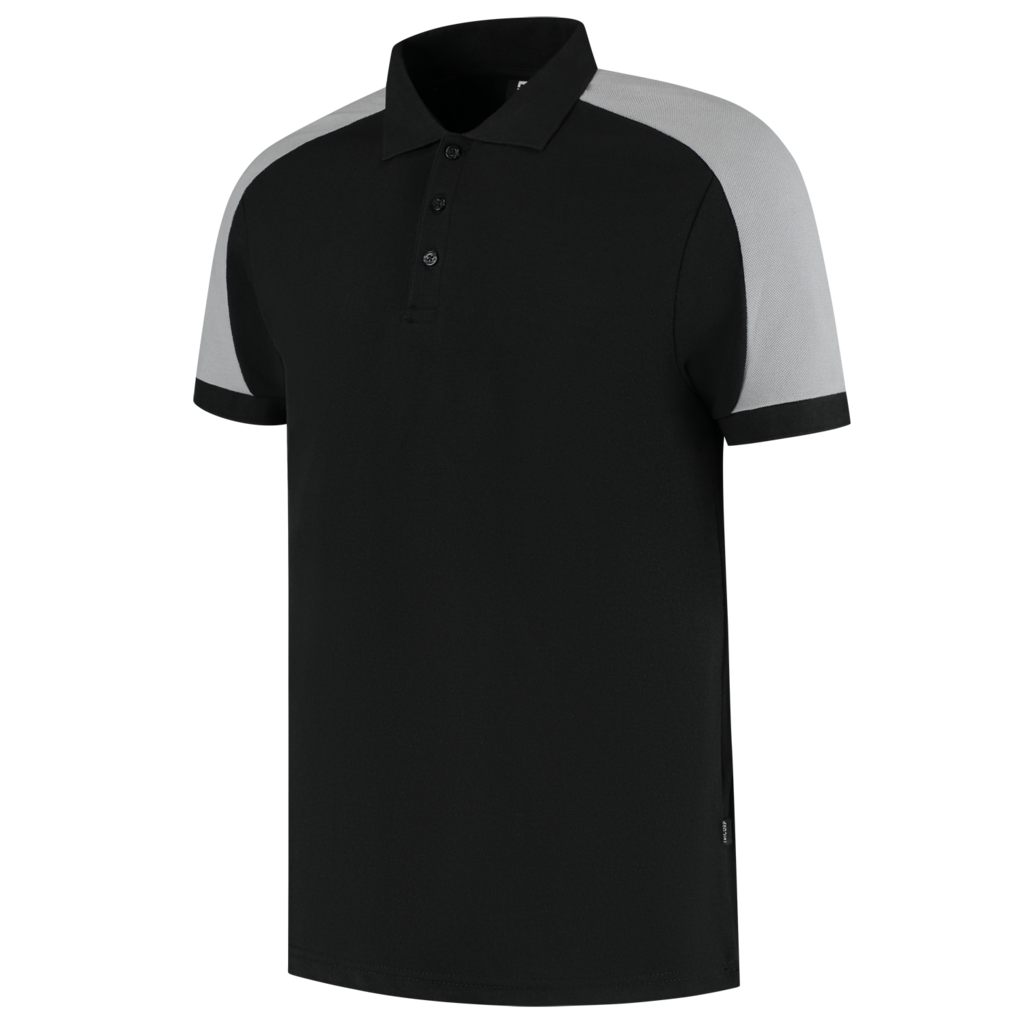
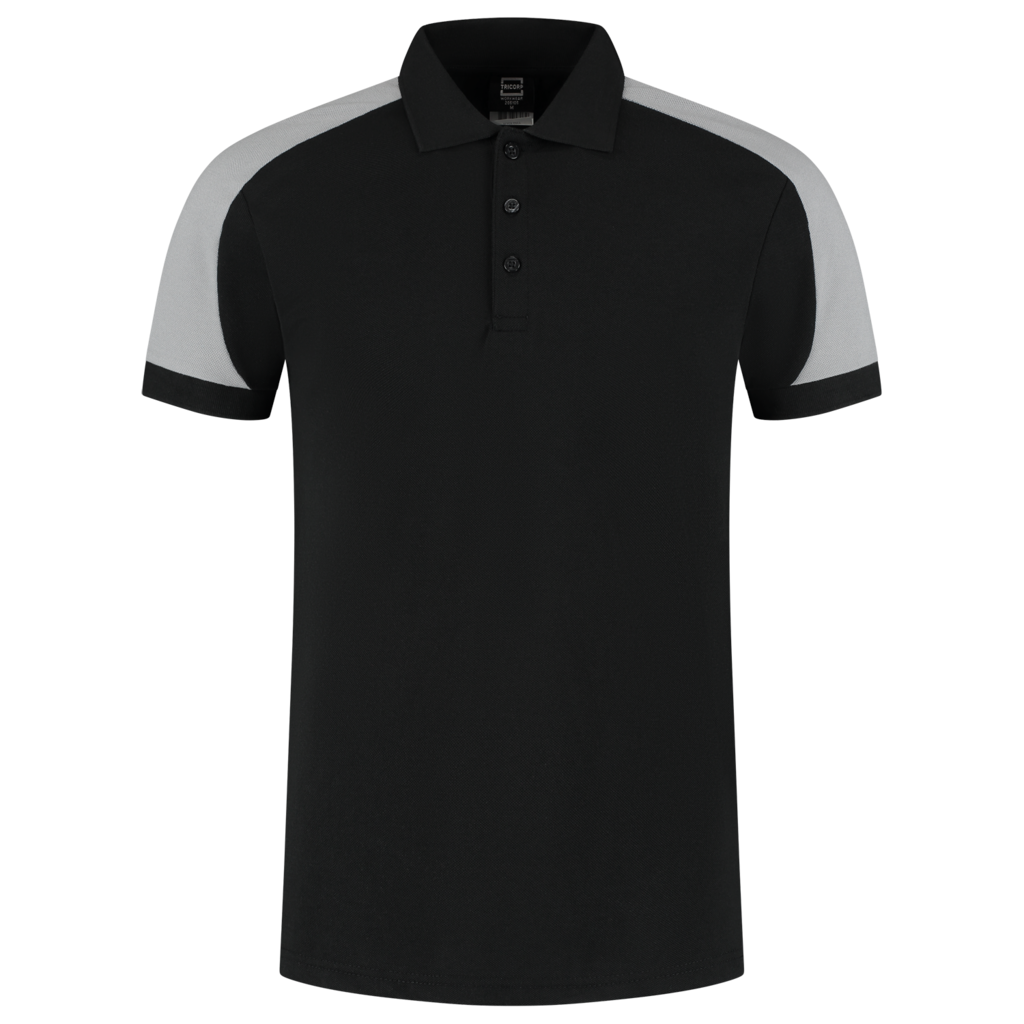
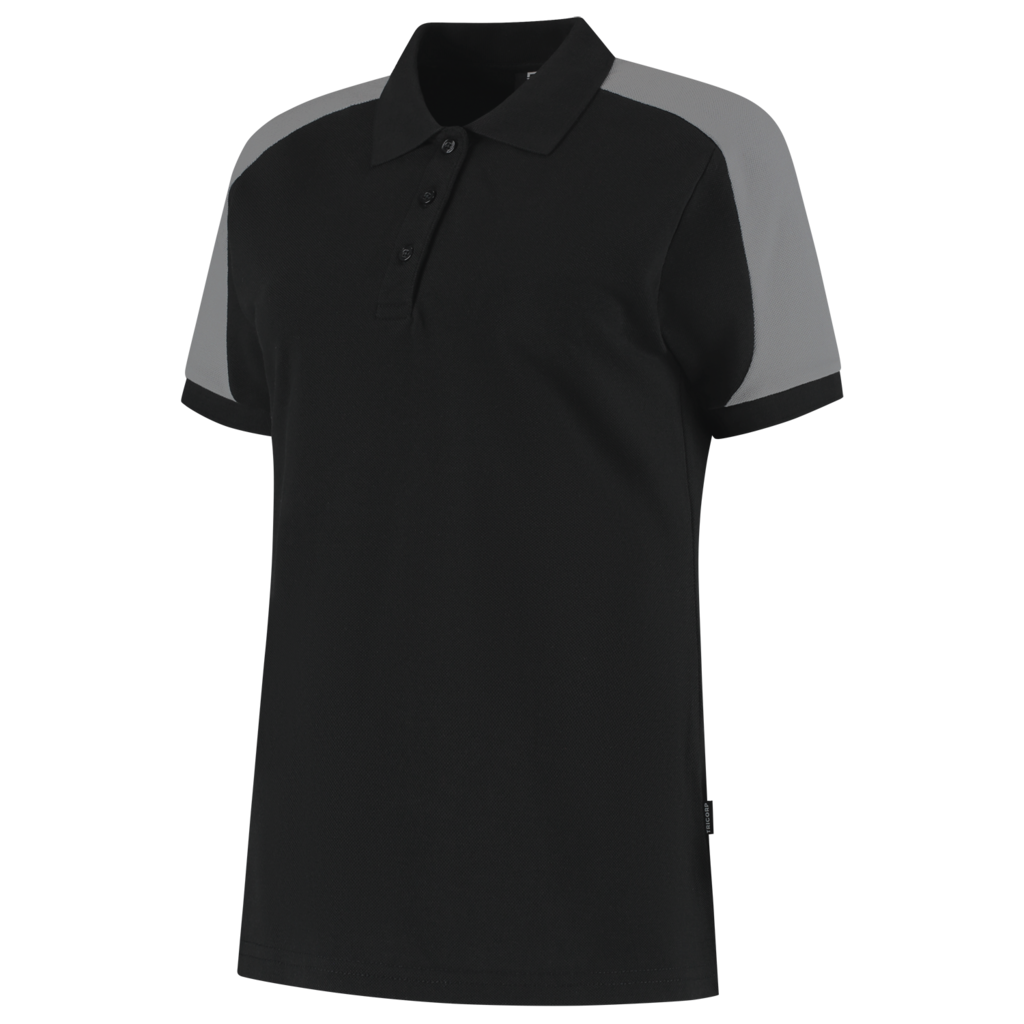
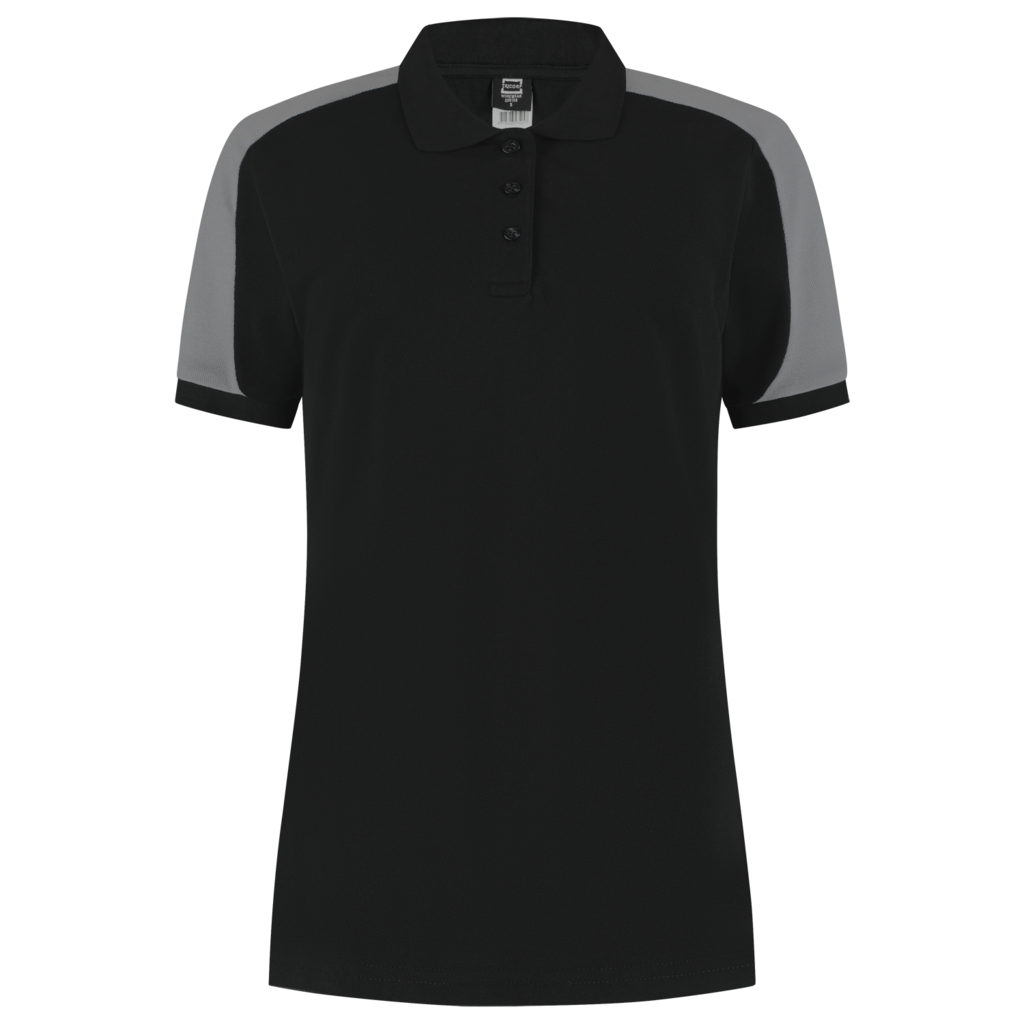
- Work polo Multinorm
- Multinorm work trousers
- Overall Multinorm
Not what you're looking for? Discover here our complete multi-norm collection.
Washing multi-norm clothing
The multi-norm clothing from Tricorp you can wear several times. However, it is recommended to have the clothing professionally cleaned so that the standard for the garment continues to apply. Fluorocarbon, the component that ensures that work clothing protects you against liquid chemicals, and its protective effect, cannot recover properly when the product is washed at home. It would of course be a shame if the product no longer meets the standards after just one wash.
Type 6 workwear VS Type PB6 workwear
The EN 13034 standard concerns type 6 clothing and type PB6 clothing. Our clothing carries type 6, which is the last class in terms of protection against chemicals. Other types of clothing, for example, involve chemicals in the form of gases or radioactive particles. The heavier the risk, the higher the type (with type 1 being the highest) and the stricter the requirements.
Type PB6 clothing, on the other hand, only offers protection at material level. Only the chemical resistance of the substance is tested. Compared to PB-6, Type 6 has passed one additional test: the so-called mannequin test, also known as the modified spray test. This test is intended to determine whether the clothing construction (not just the fabric) is resistant to chemical splashes. A test subject puts on clothing that is then sprayed with water containing a dye. It is then determined whether the water penetrates through the clothing.
The mannequin test is not mandatory. There are special items of clothing, such as parkas, on which you cannot perform this test. If this test is not performed or is not passed, the work clothing is referred to as type PB6, provided that the other required tests have been passed. This allows the industry to offer single garments (not necessarily overalls or a combination of trousers and a jacket) that still fall within the EN 13034 standard.